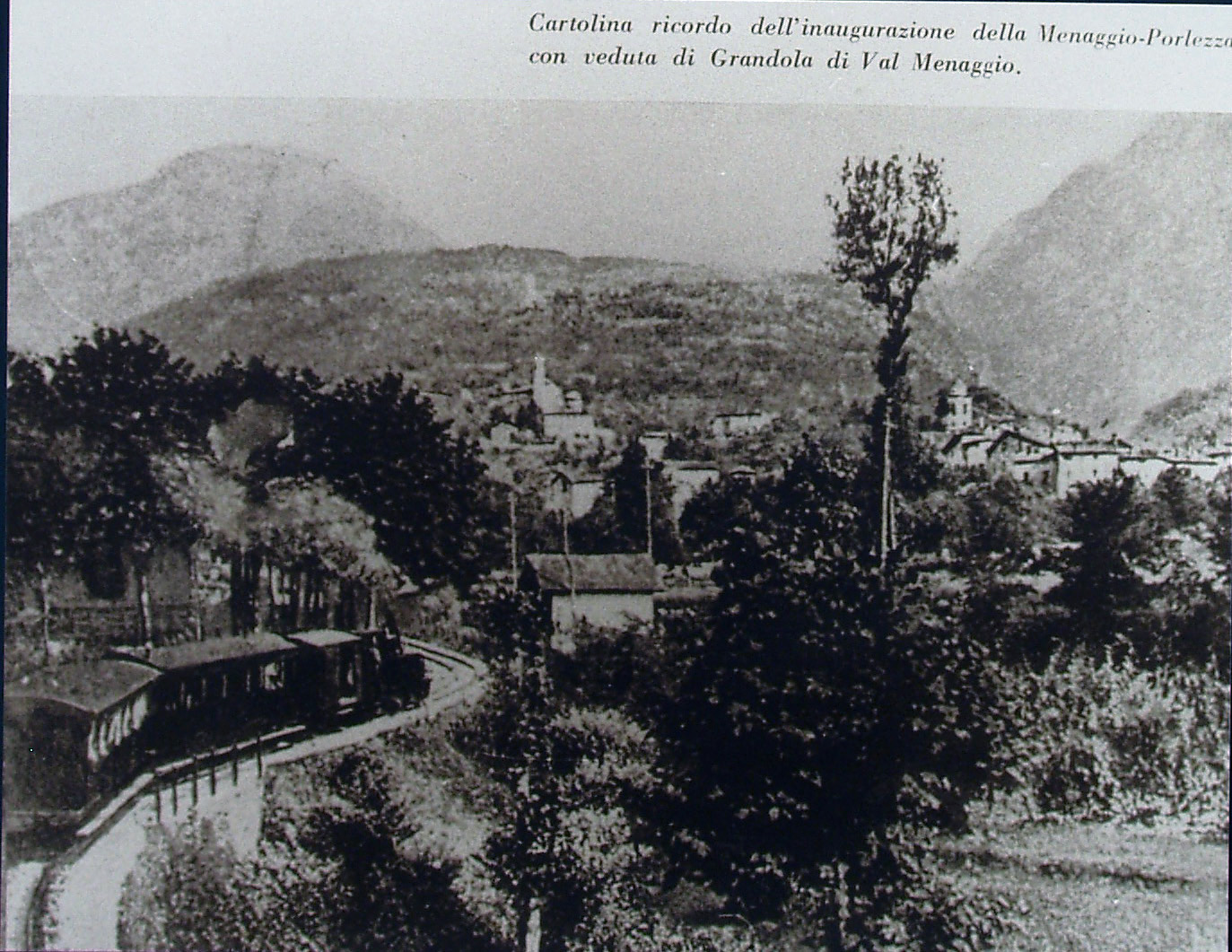
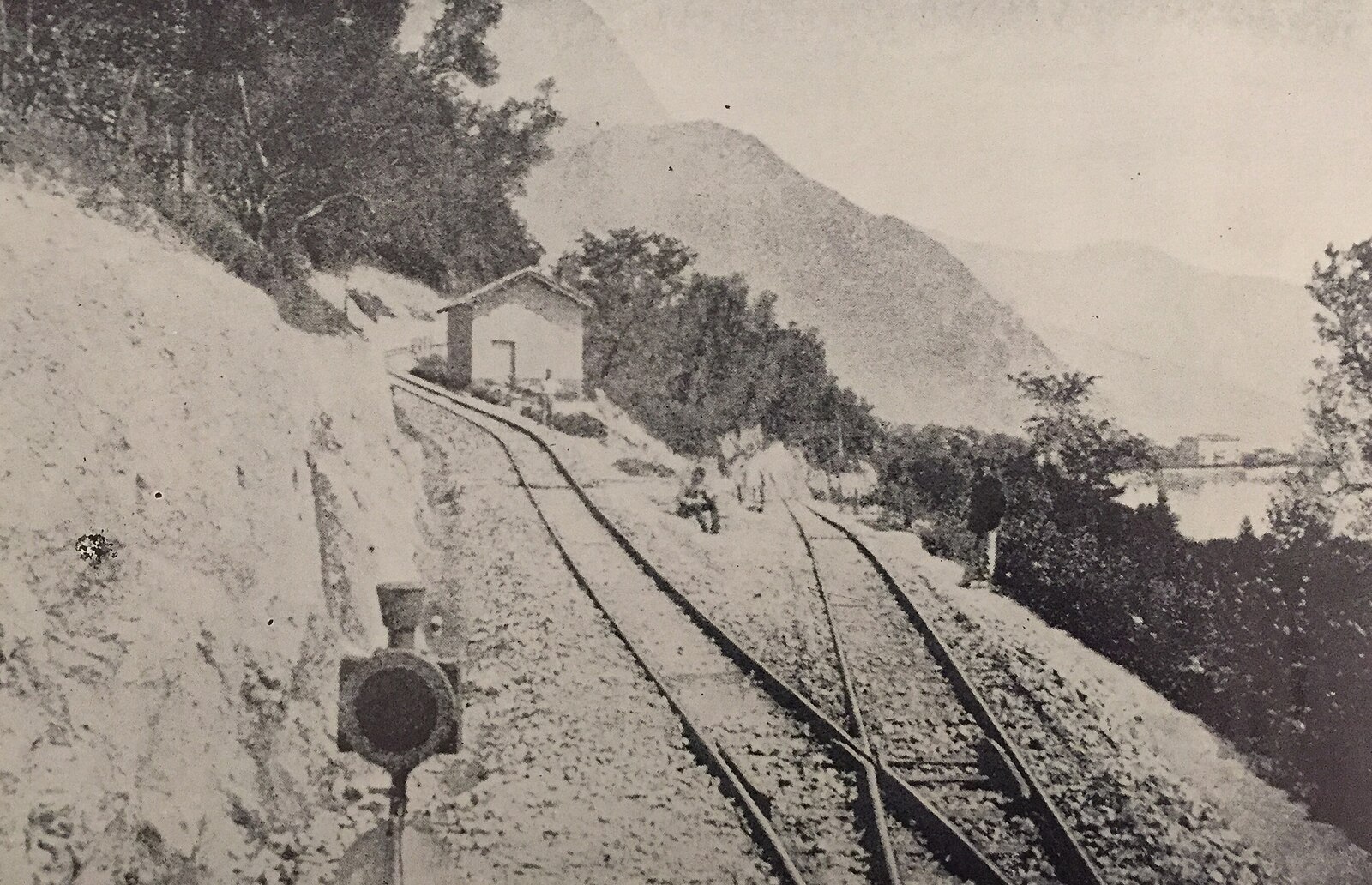
The Menaggio-Porlezza railway, opened in 1884, is one of the masterpieces of railway engineering of the late 19th century. In addition to its scenic beauty, connecting Lake Como to Lake Lugano, the line is famous for a technical innovation that made its route unique: the system of the recourse. This technique was adopted to overcome the difficulties associated with the steep gradients and mountainous terrain of the route, and today it represents one of the most fascinating aspects of this railroad's history.
What is the Railroad Regress?
The term recourse refers to a railroad maneuver in which the train temporarily changes direction, proceeding backward instead of forward. This technique was developed to deal with particularly steep terrain, where a normal forward run would have been impossible or dangerous. The regress is usually used on railway sections with steep inclines or sharp curves, where the traction of rail vehicles would not be sufficient to maintain the direction of the train.
In practice, when the train is unable to continue normally because of the gradient, maneuvers are carried out to reverse the direction of the convoy. An example of this technique can be seen on tracks arranged in a zig-zag pattern, or with the use of turntables that allow the cars to rotate, reversing the direction. Although regress has been used on other mountain railways around the world, its application on the Menaggio-Porlezza line remains one of the best known in Italy.
The Regress System on the Menaggio-Porlezza Railroad
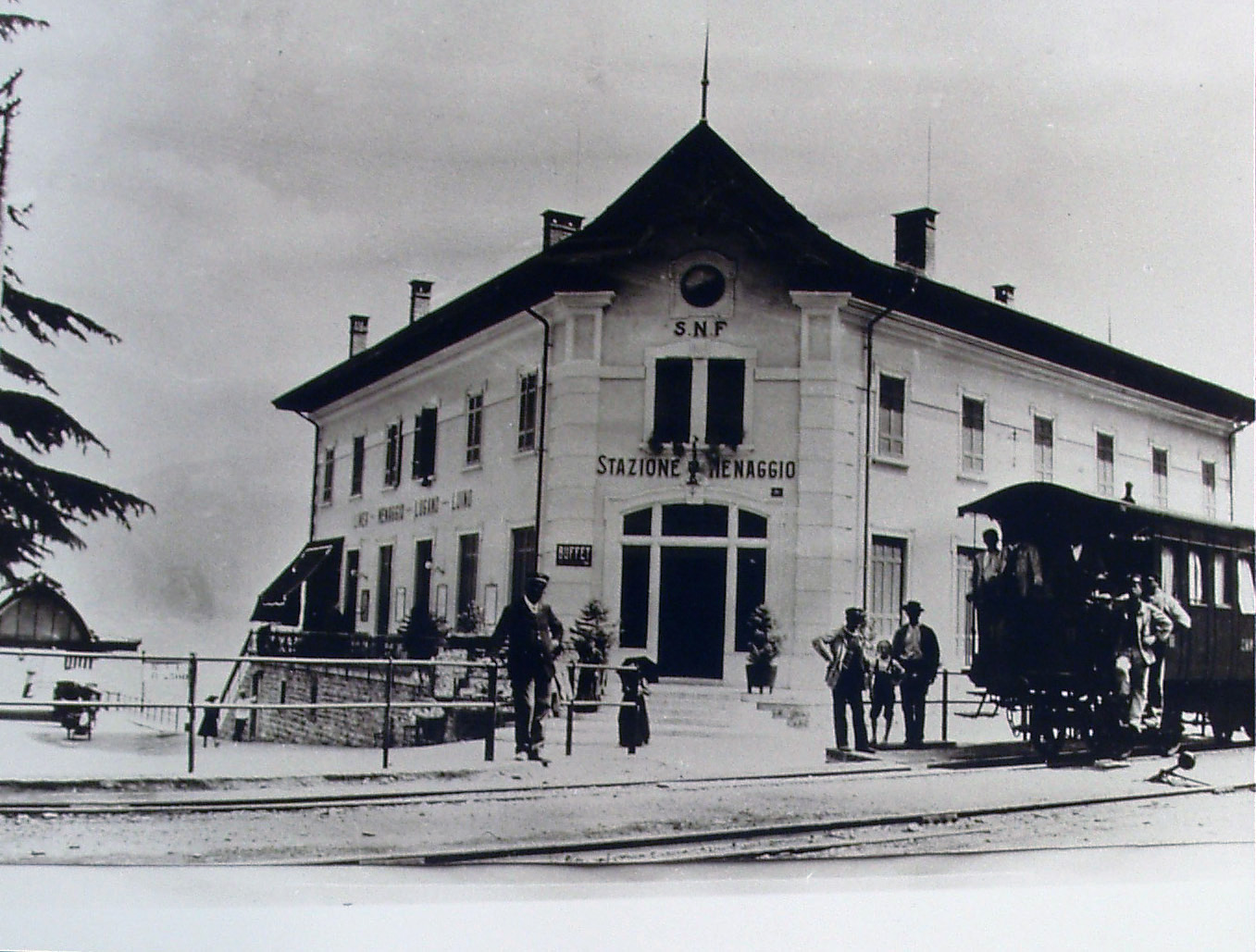
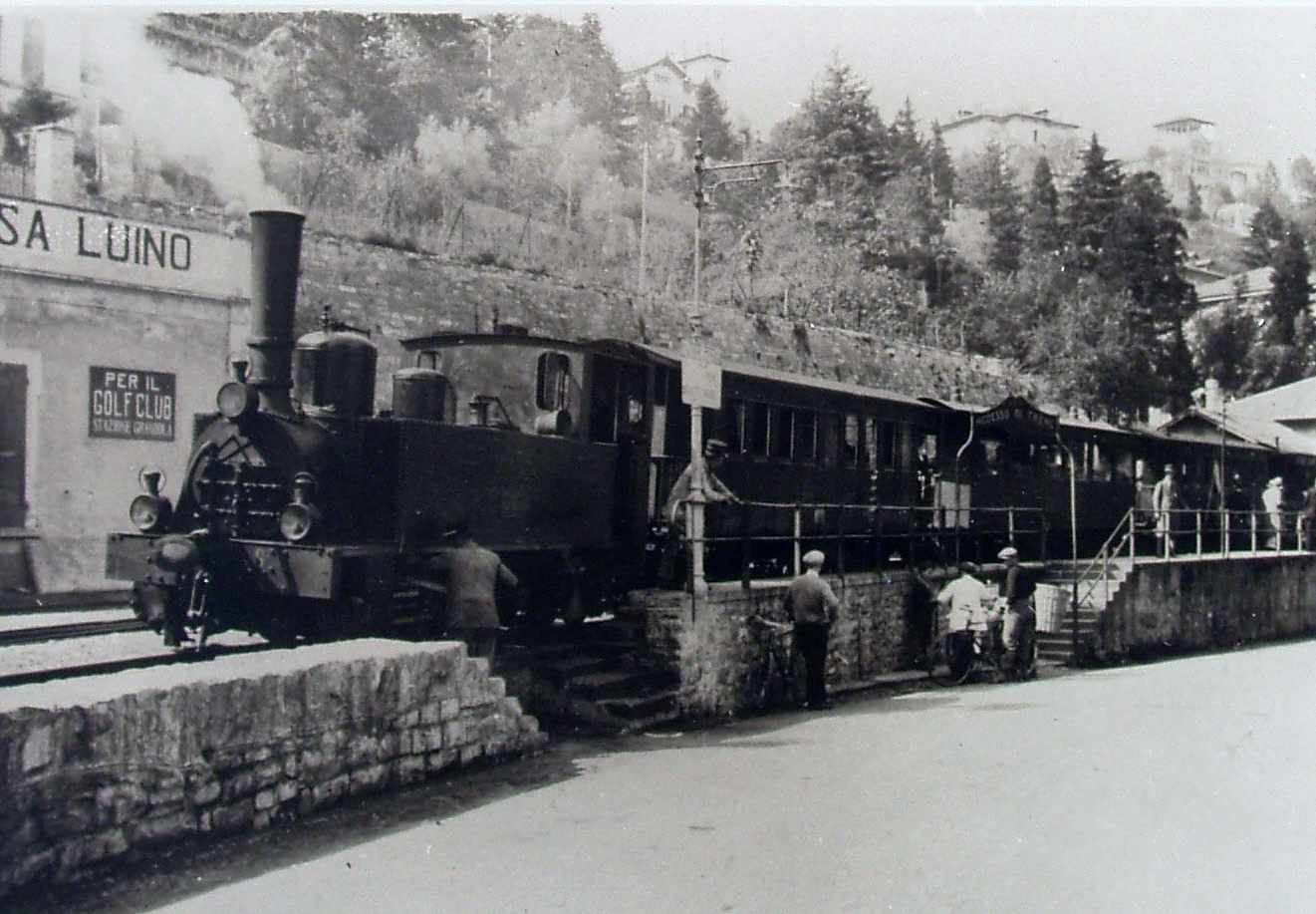
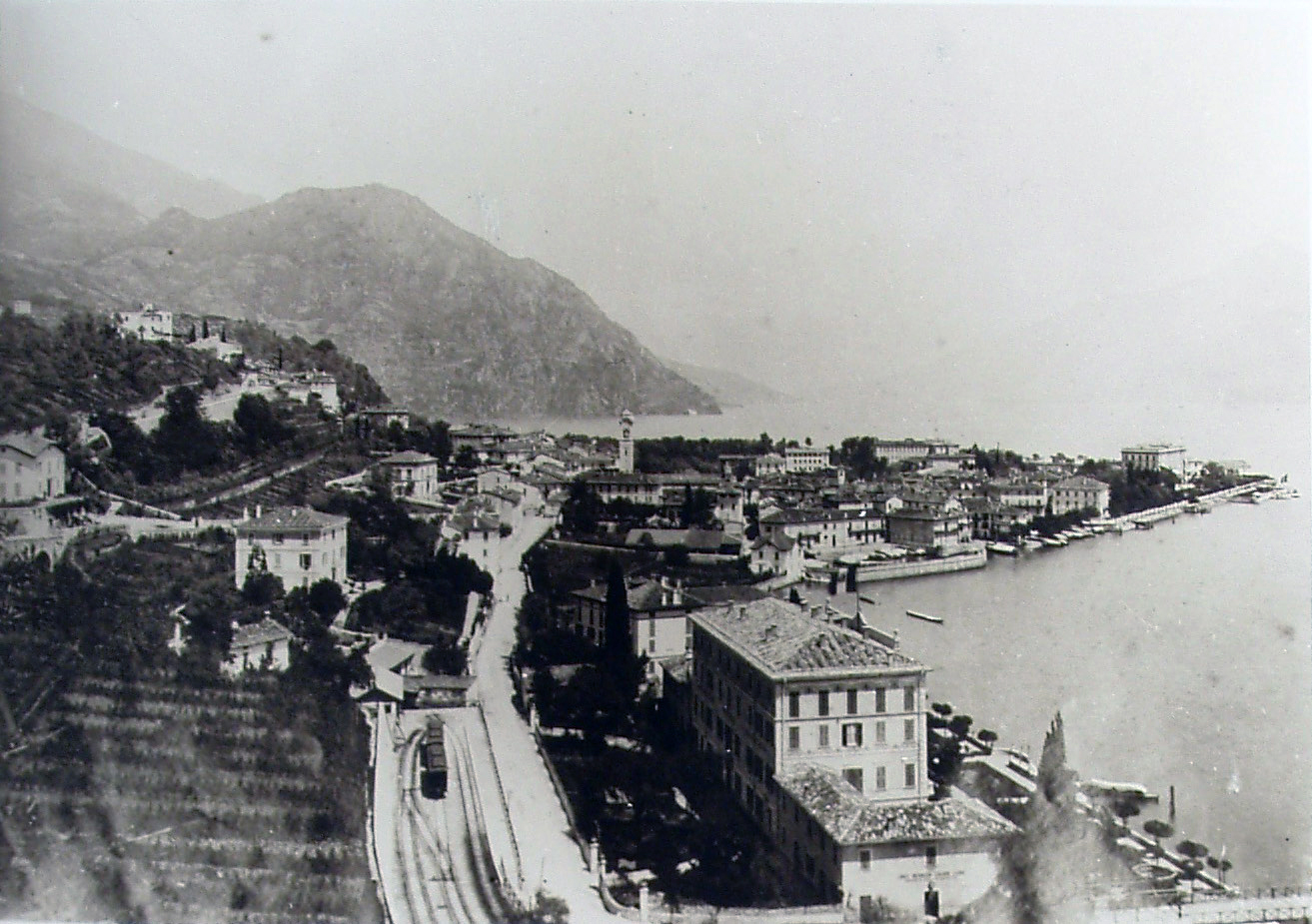
The 13-kilometer-long Menaggio-Porlezza railway ran through spectacular landscapes and mountainous terrain. The slope of the route between Menaggio and Cardano was particularly difficult to negotiate, with gradients of up to 5%. To solve this problem, the regress system was adopted, which allowed the train to gain altitude safely and effectively.
After departing from the Menaggio station, at the end of the first ascent to Valstera, the train prepared to face the steep gradient thanks to a turntable that allowed the locomotive and, one at a time, the cars to rotate, reversing the direction of travel before facing the next stretch to the Sella di Grandola.
Why was the regress necessary?
The mountains separating Lake Como from Lake Lugano are not only beautiful, but also difficult to cross. The Menaggio-Porlezza railway had to cope with an elevation difference of 170 meters between Menaggio and Cardano, with gradients exceeding 5%. Because of these difficulties, it would have been impossible to run a train normally forward, even with the power of a steam locomotive. The regress system, therefore, was an ingenious solution that made it possible to tackle these steep climbs.
A rare case in Italy and the world
The use of setback on the Menaggio-Porlezza railway was not common in Italy. Although similar techniques were used on other mountain railways, such as the Cecina-Volterra railway or the Rome-Tivoli tramway, the Menaggio-Porlezza line stands out for adopting such a sophisticated technical solution for the time. The setback, in fact, was not only an answer to the geographical difficulties of the route, but also an engineering curiosity that attracted many travelers and experts in the field.
The combination of a narrow gauge of 850 mm and the regress system made the Menaggio-Porlezza railway particularly attractive. Indeed, the narrower track system allowed trains to negotiate tight curves and steep inclines with greater agility, features that contributed to the uniqueness of the line.
Read also: Franz Kafka and the curious journey on the Menaggio-Porlezza railway.