Sanagra or Senagra? A question of toponymy
In everyday talk, especially at the local level, Val Sanagra is often referred to as "Val Senagra." This toponymic error has become entrenched over time to the point that it even appears on some official maps. However, the correct name for the valley is Sanagra, as attested by the oldest sources and numerous studies.
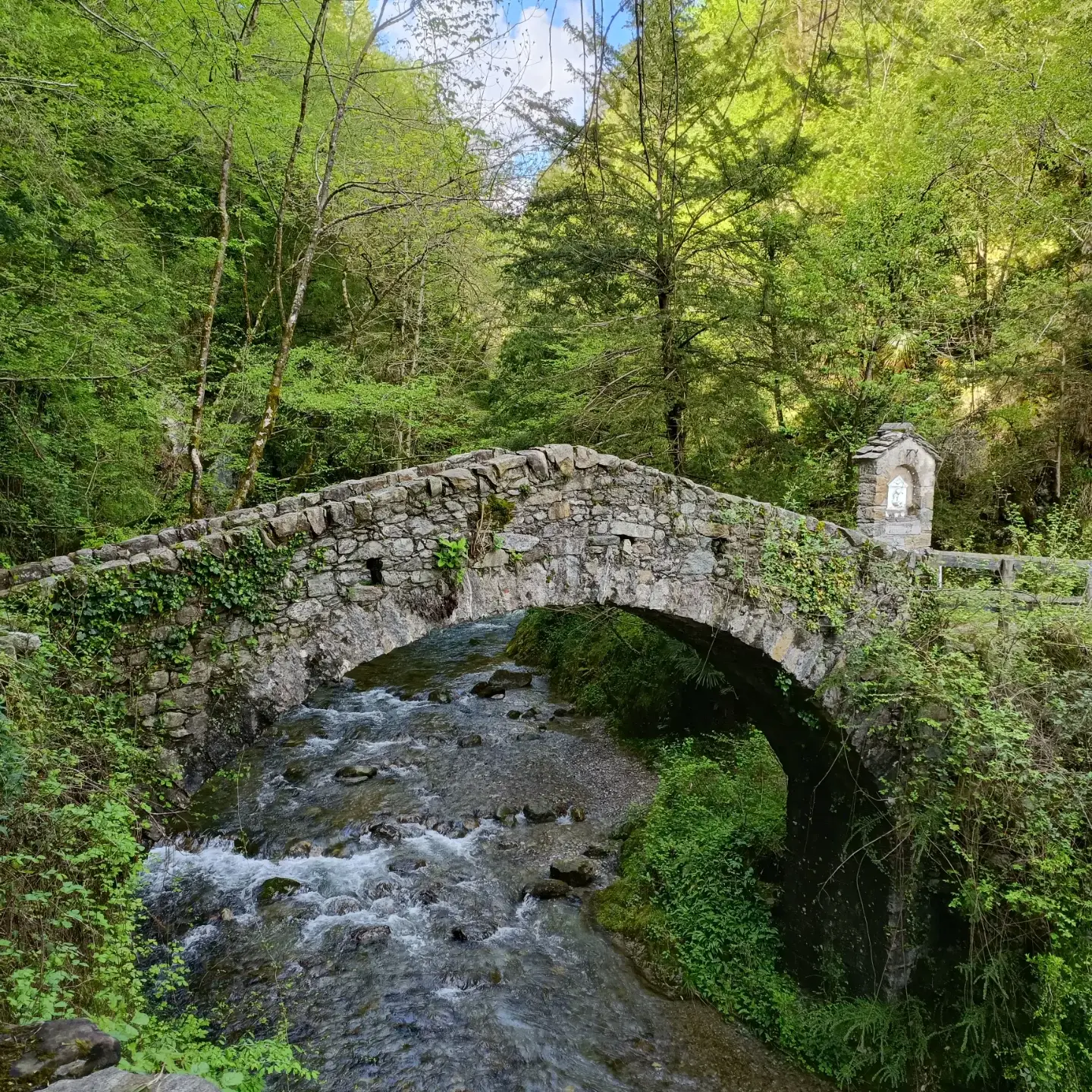
The name is derived from the stream of the same name that runs through the valley and is found as early as the 18th century in the texts of prominent scholars. These include the naturalist Domenico Vandelli accurately describes the valley in a paper he wrote in 1763:
"After the journey of five hours I arrived at the Source of Sanagra believed to be mineral, and moreover it is said, that this name draws its origin from Sanat aegros. I, however, found it very simple water, abbenchè many, and replicated experiences over them I made.
It is very light, very cold, and must certainly benefit some times in leg ulcers....... From this Source begins the valley and the Sanagra Stream. The sides of the valley above are covered with thick forests of fir trees, which five years ago were carried down the Creek in the great floods of water (supported in many places by roste) to the Lake. Its conduct was omitted because of the Superintendent's lack of attention to the work, ....
I took the valley to return to Menaggio. I crossed the valley, and ascended the other side, or Catena di Monte called the Alpe di Leveja formed by forests of ash, sorti, alni, birch, oak, etc.....
Indi further down in the place called Valgriasca, there are the layers of simple white marble limestone, and the rest of the slopes of the mountain are covered with thin layers of black marble similar to that of Varenna.
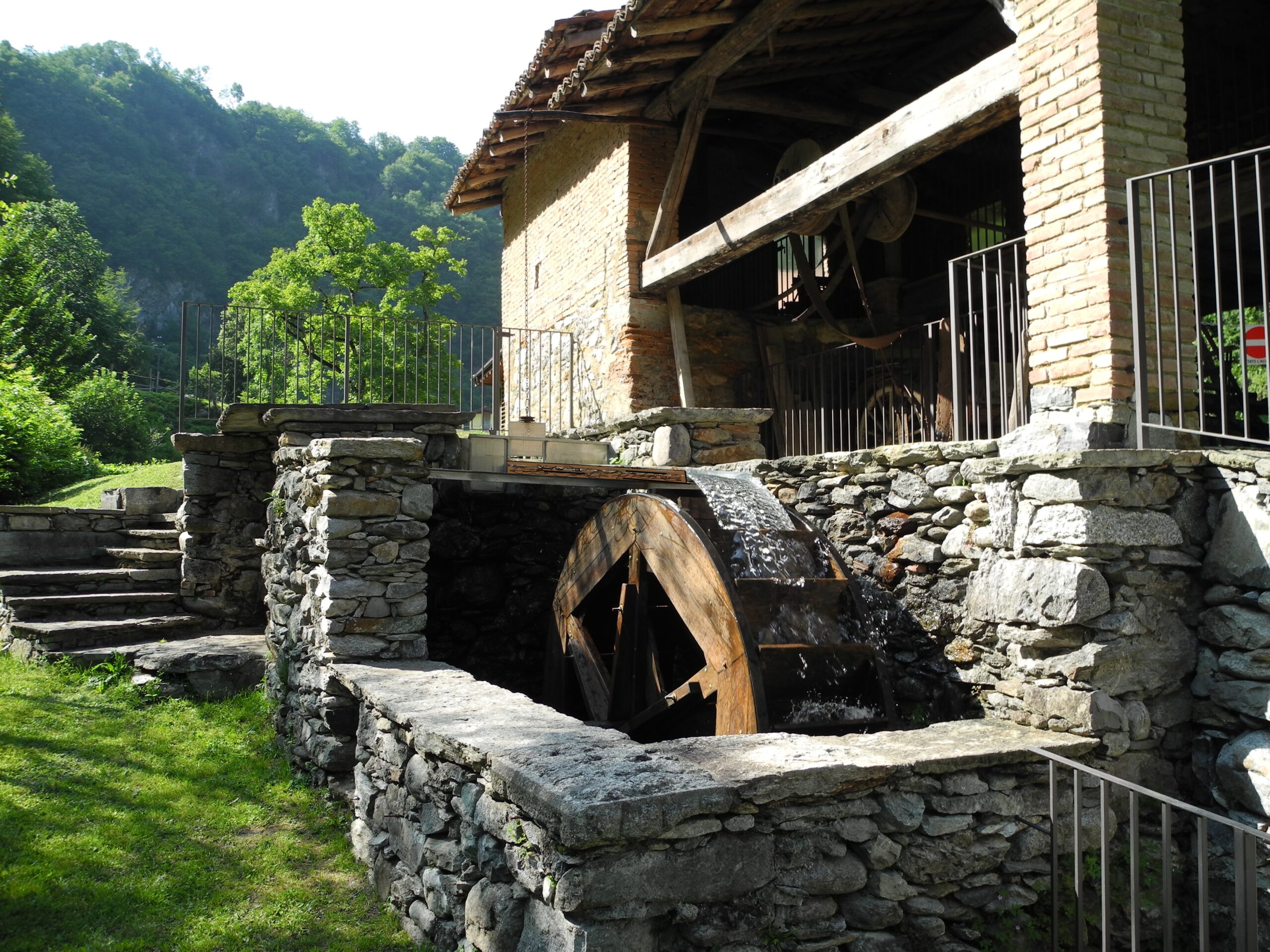
At the bottom of the valley near the Creek, where it is called the Maglio, the inhabitants assure me, there was an iron mallet there and, not far away iron mine.
Then I descended into the Purlezza Valley, which has on the opposite side the Mount of Tremezzo and has the small Lake near that of Lugano.
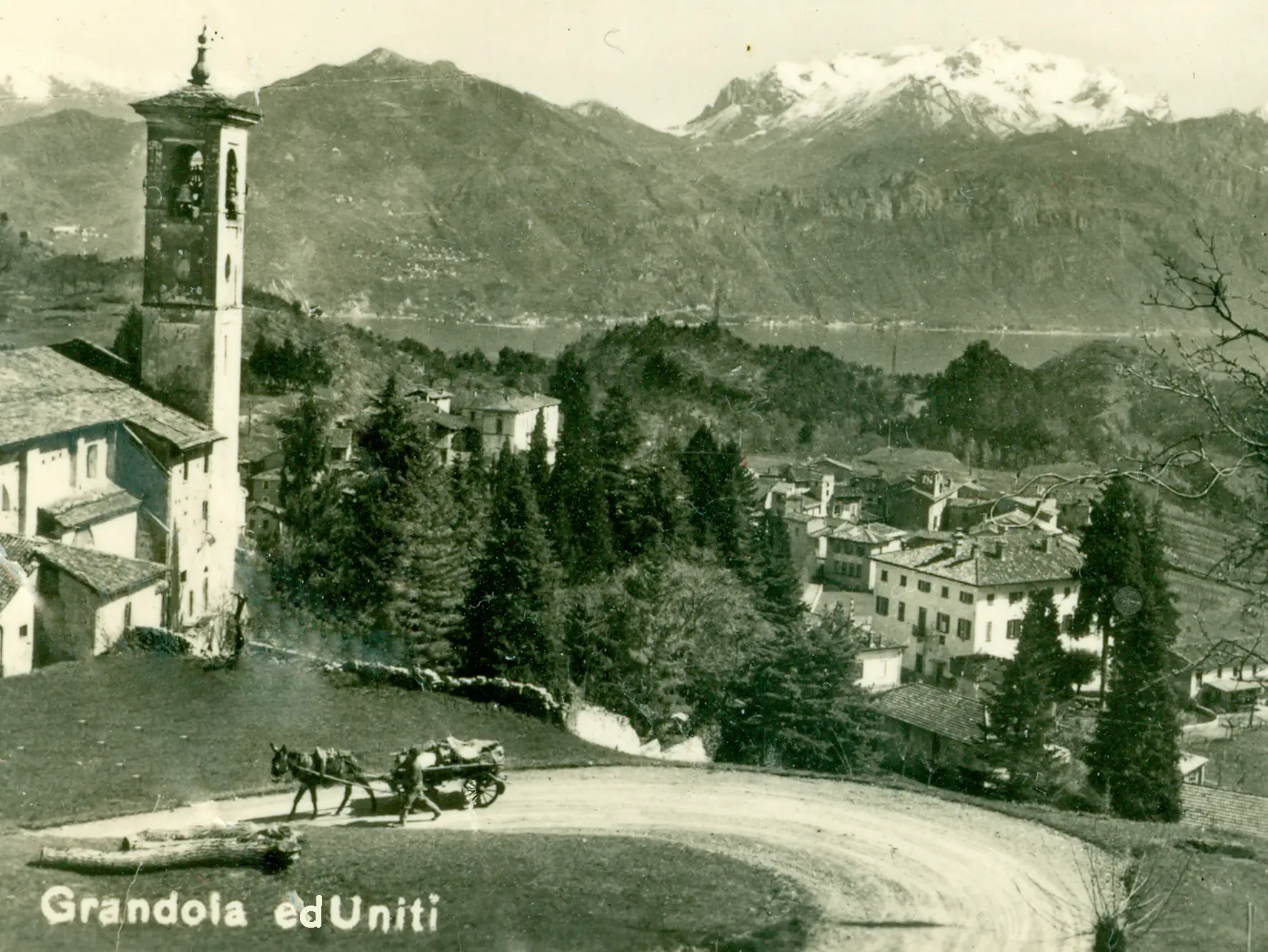
I left behind in the descent small villages, namely that of Naggio, Velz and Codogna."
Also Charles Amoretti, in his trip published in 1794, confirms the tradition of the name and the fame of its waters:
"the Sanagra stream, whose name is said to be derived from "sanat aegros" (which heals the sick)...that water contains nothing mineral, and only leggiera assai, and very cold ...."
A common mistake, but not without consequences
Today, the term "Senagra" is still widely used, especially in informal settings, in the media, and at local events, where billboards or flyers with the incorrect form often appear. However, incorrect use of the name can create confusion and undermine recognition and promotion of the valley, especially online, where simply searching for "Senagra" returns different results than "Sanagra."
This "dual designation" risks generating disorientation, hindering institutional and cultural communication, and thwarting efforts to enhance the area.
Why saying Sanagra is important
The adoption of a single correct toponym was a key choice in the establishment and promotion of the Local Park of Supra-municipal Interest (PLIS). The municipalities involved chose to use exclusively "Sanagra" For three main reasons:
- Historical and linguistic accuracy: "Sanagra" is the original and correct place name.
- Communicative consistency: the Sanagra Valley Ethnographic Natural History Museum adopts this form in all its production, including digital.
- Scientific recognition: scholars and researchers refer to the name "Sanagra" in their work.
Correcting the use of a name may seem like a minor matter, but calling things by their right name is the first step in protecting a heritage-natural, historical, and cultural-that deserves respect and appreciation.