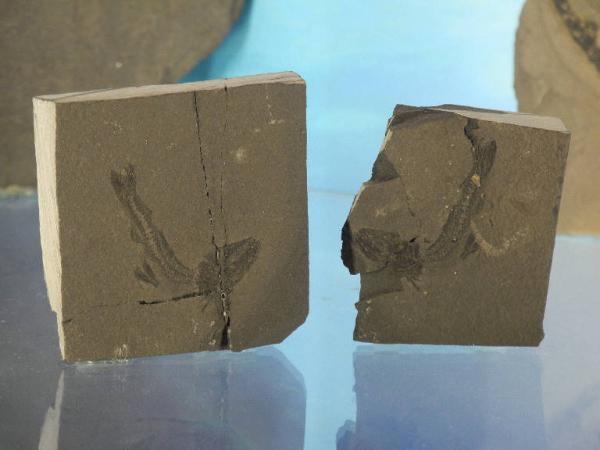
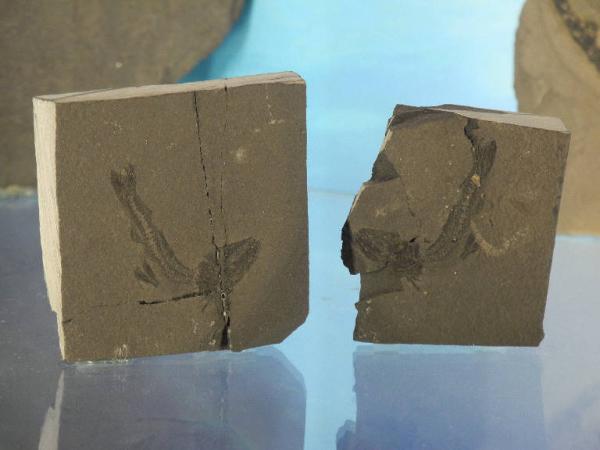
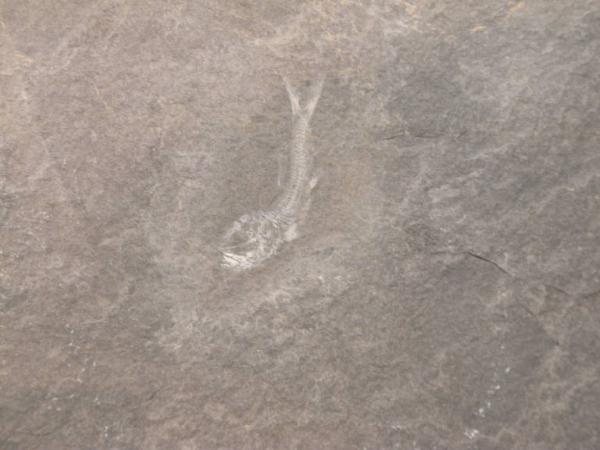
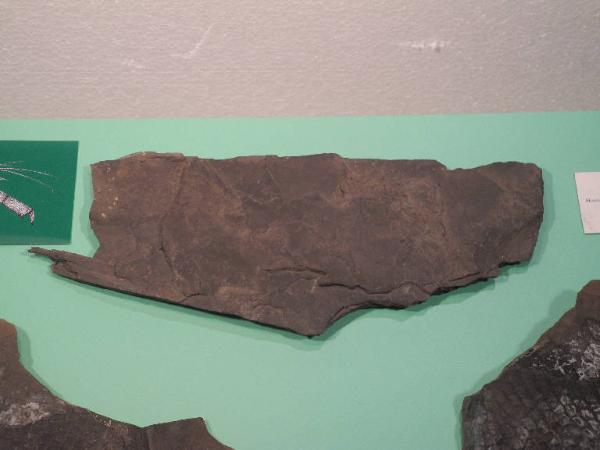
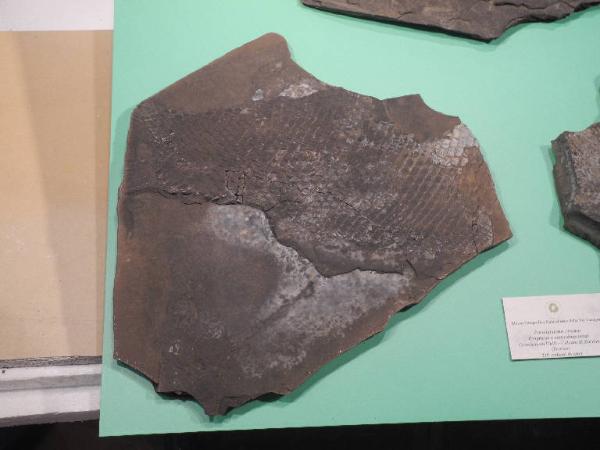
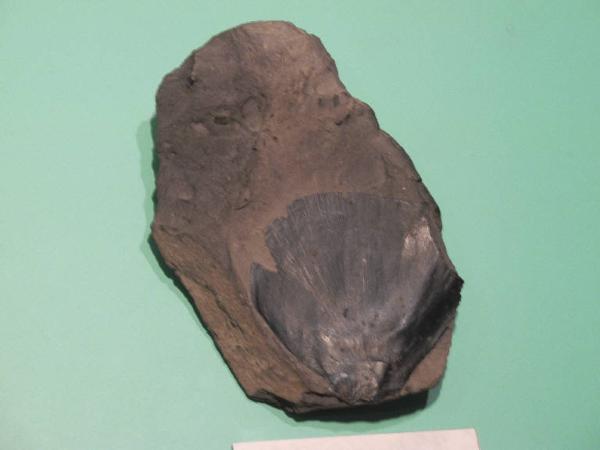
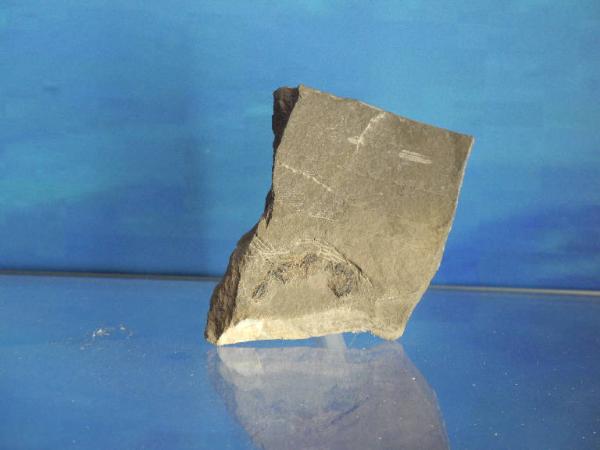
This small fish did not exceed a length of 20 centimeters. Its appearance was of a modern type, and must not have been too dissimilar to that of a present-day herring. The scales were thin and translucent, unlike most fish of its time.
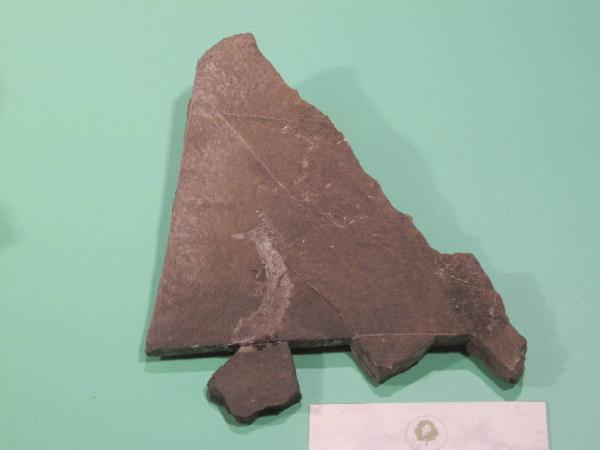
The tail was forked, suggesting that the folidolepid was capable of fast swimming. Its remains have been found in marine and lagoon sediments. The folidolepid is known through some specimens found in the famous Lyme Regis deposit in England, while several other specimens have been found in the Osteno deposit in Italy.
The type species is Pholidolepis dorsetensis, but it is possible that the Italian specimens belong to another species. Another species ascribed to the genus, with some doubt, is P. africana from the Upper Triassic of Tanzania. Pholidolepis belongs to a group of bony fishes known as folidoforiformes, the best-known representative of which is Pholidophorus and which represent a transition to the actinopterygians evolved from archaic bony fishes such as paleonisciforms.