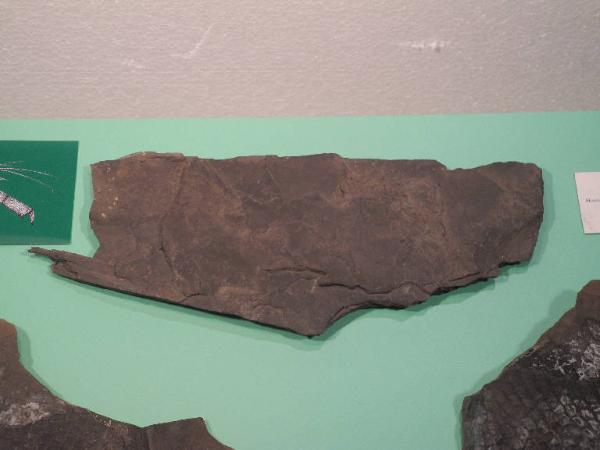
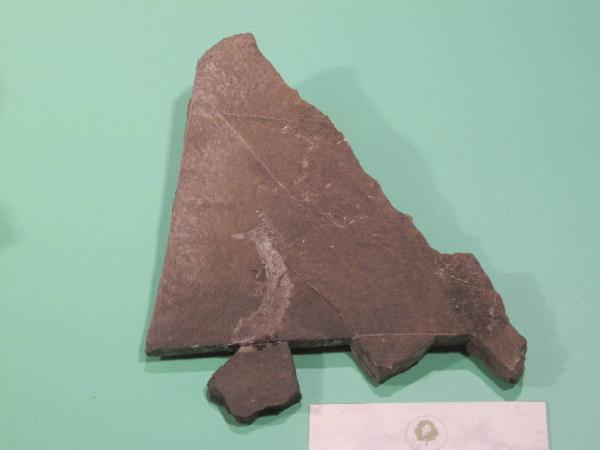
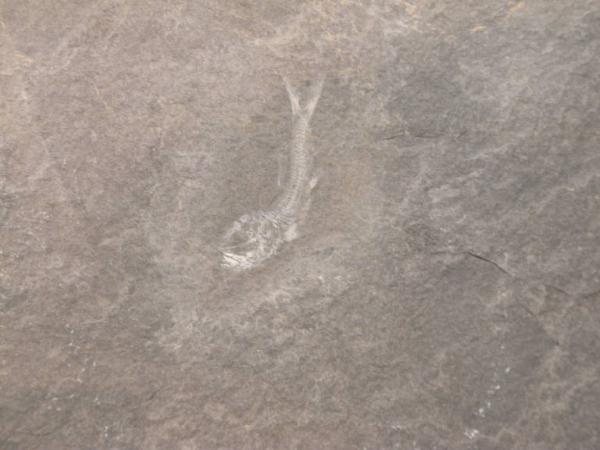
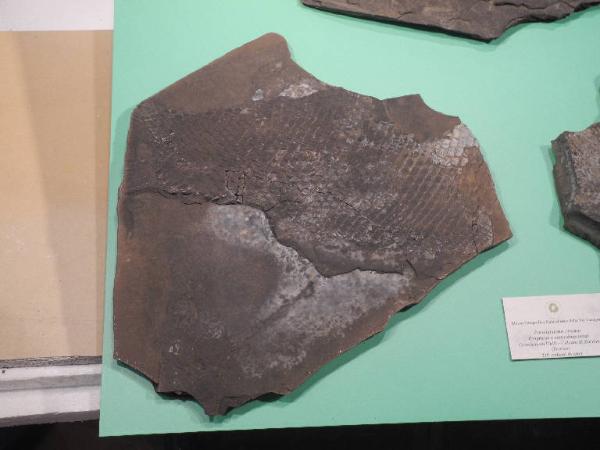
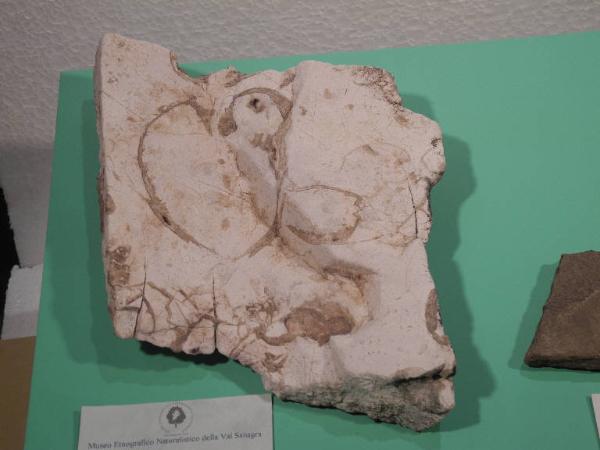
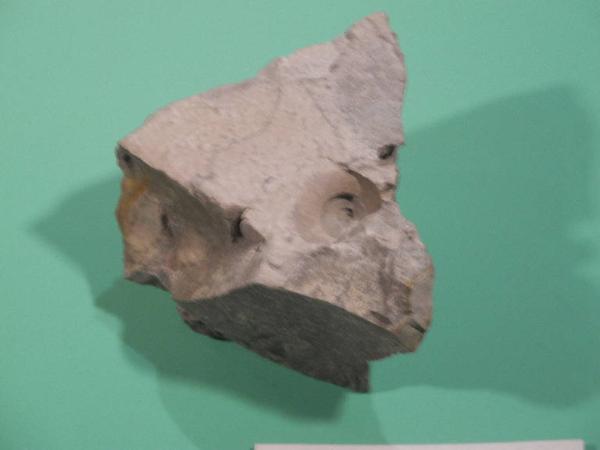
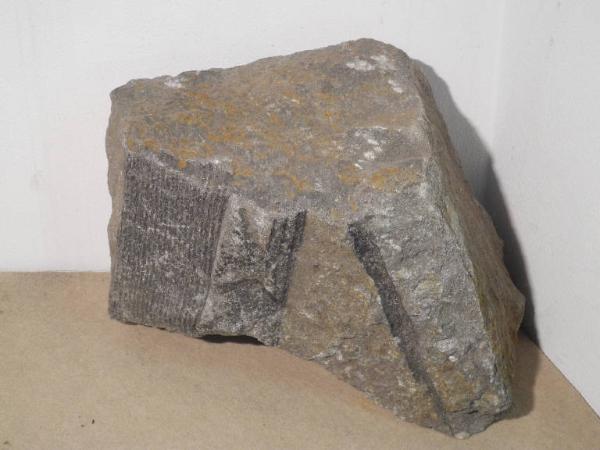
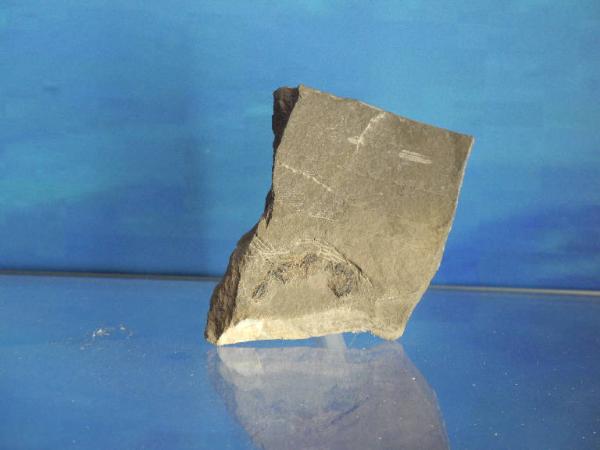
This animal must have vaguely resembled an actual lobster, and some species of Pseudoglyphea could exceed 20 centimeters in length. The carapace was almost cylindrical, with a long rostrum. The first pair of pereiopods was strong and elongated, but did not terminate in a claw but in a pointed, simple, mobile segment; however, a short protuberance was present, making the limb subchelated.
The following three pereiopods were also subchelated. The cephalic region was usually characterized by longitudinal ridges, and the cervical furrow was deep and well-defined. The postcervical and branchiocardiac furrows were close and parallel, and approached or even reached the dorsal midline.
A deep hepatic sulcus was also present, while the inferior sulcus was absent or shallow.