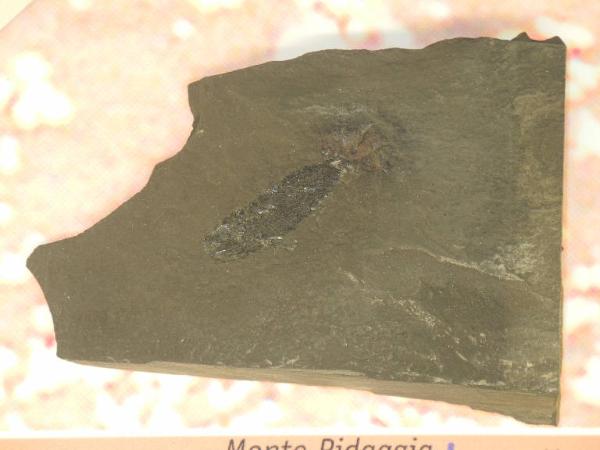
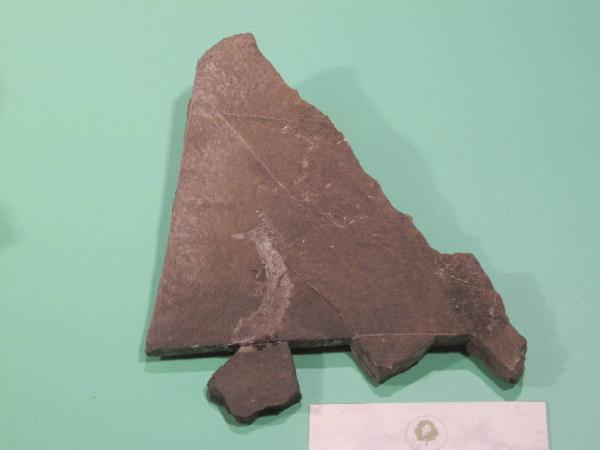
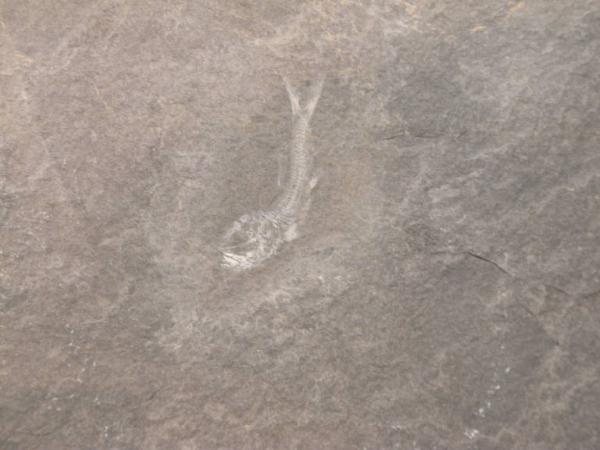
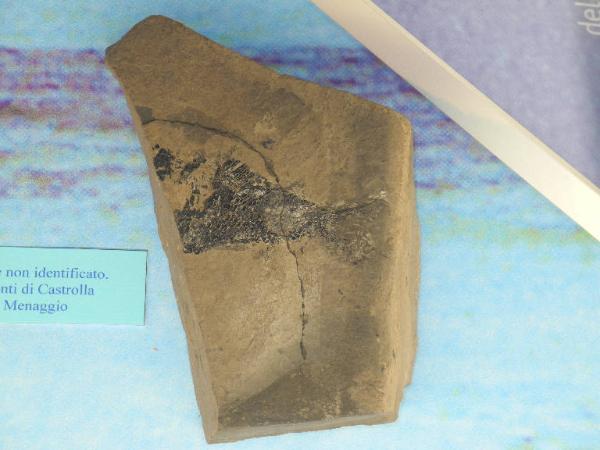
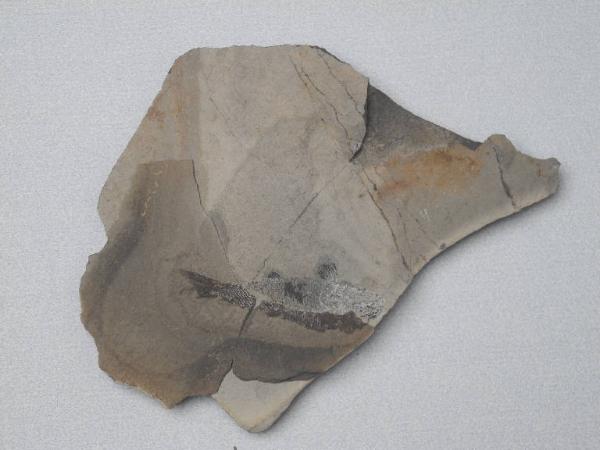
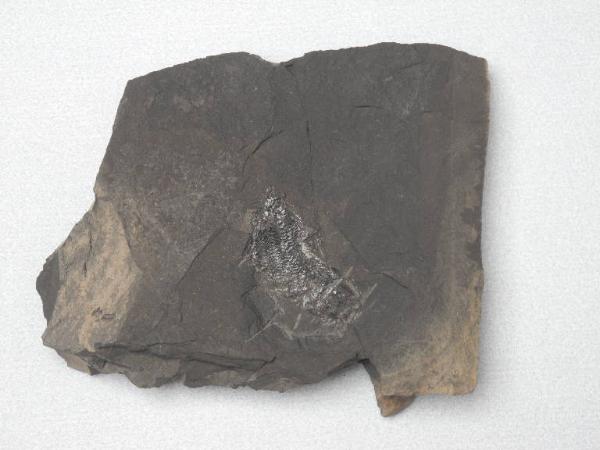
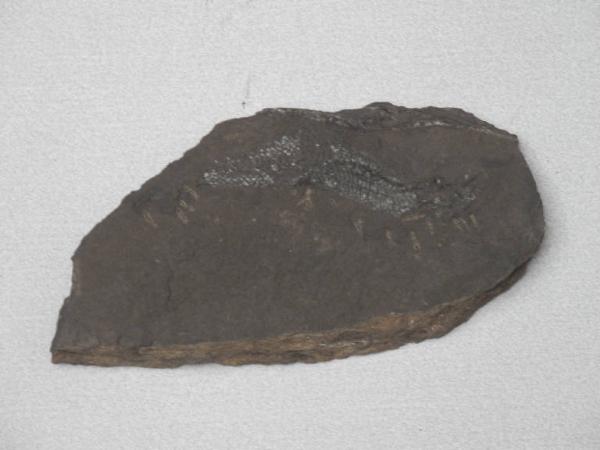
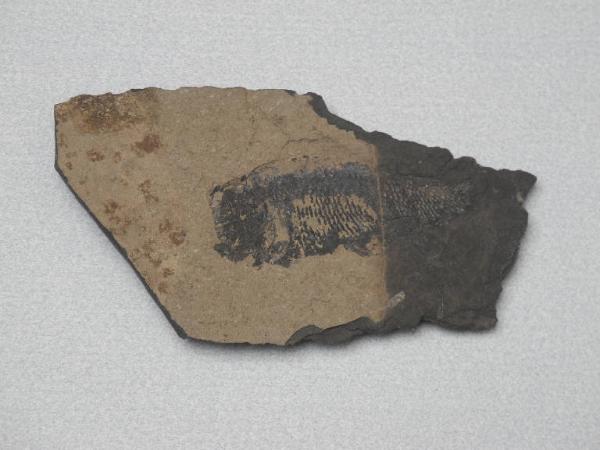
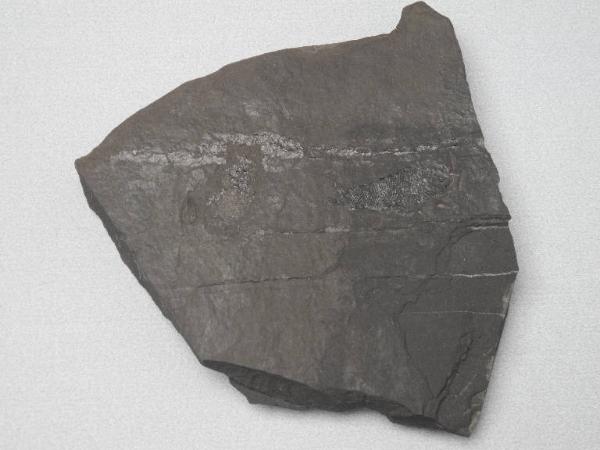
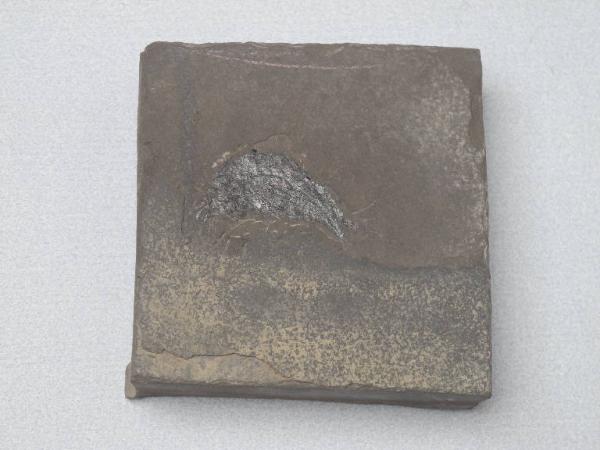
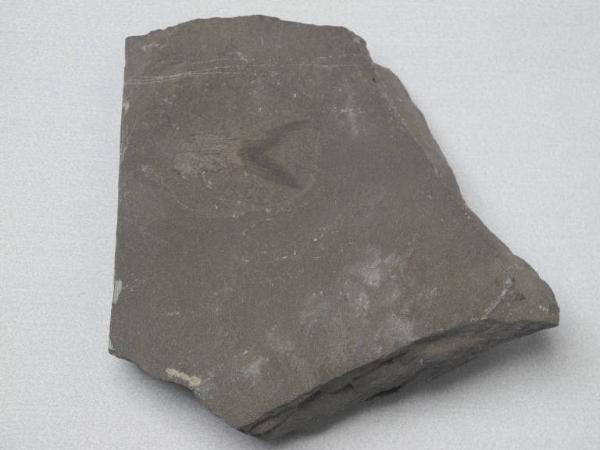
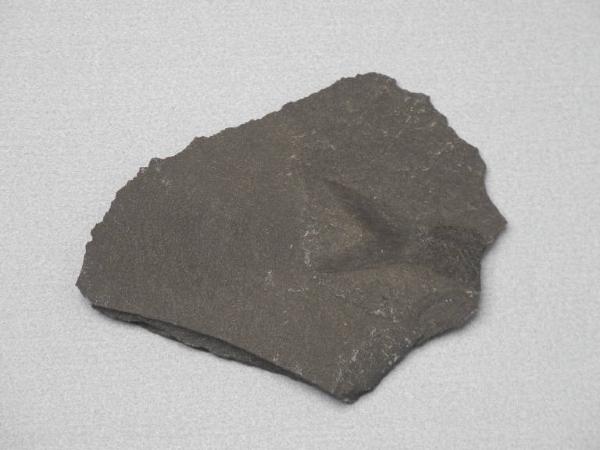
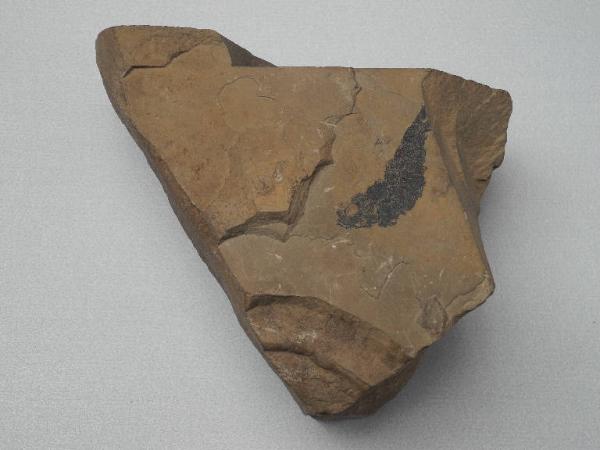
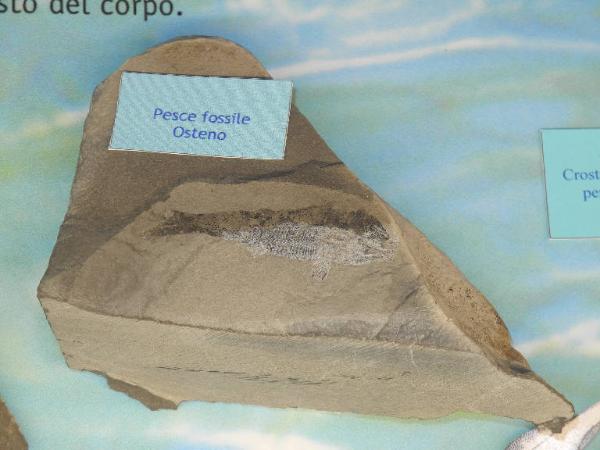
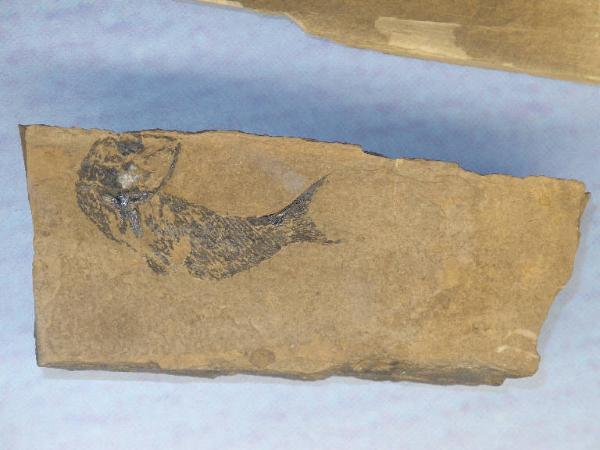
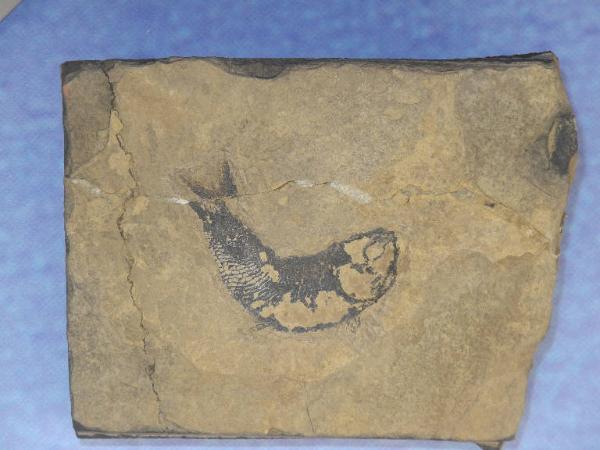
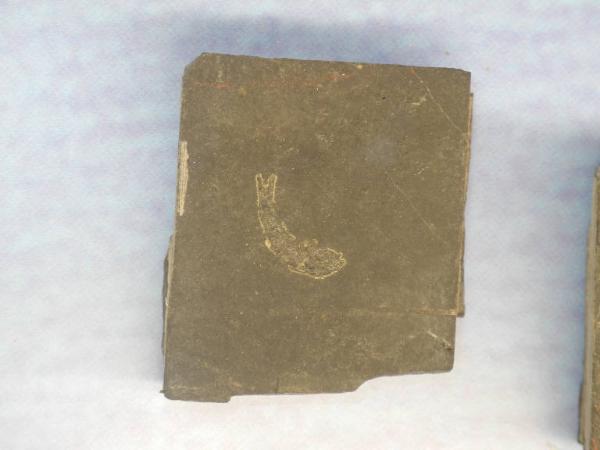
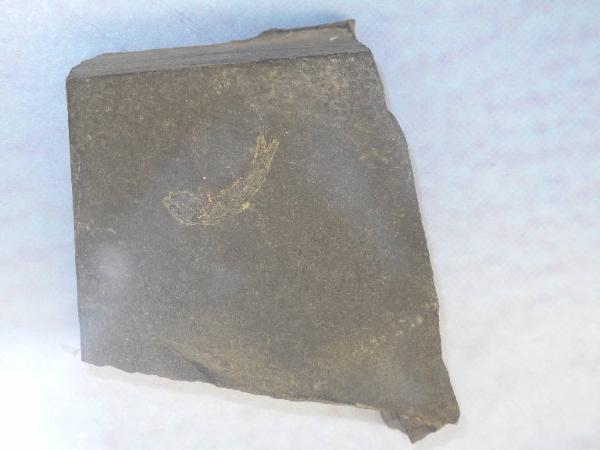
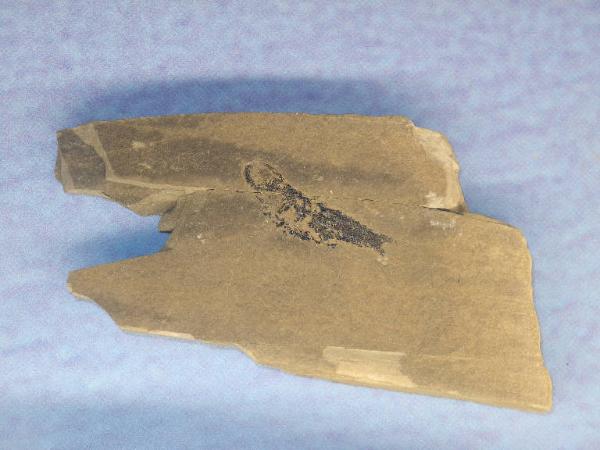
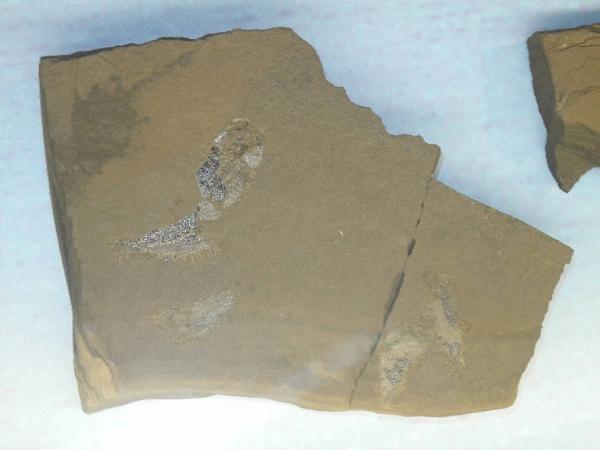
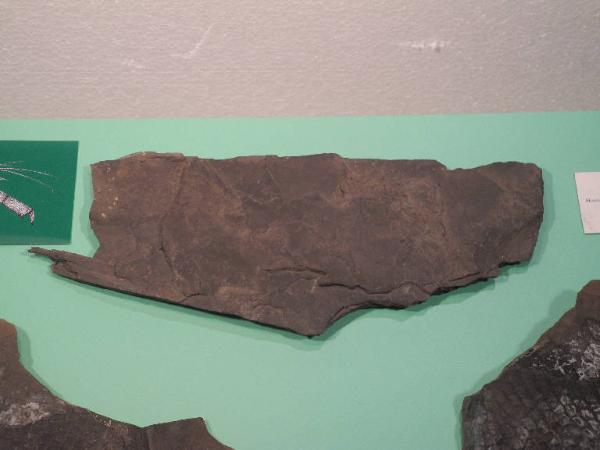
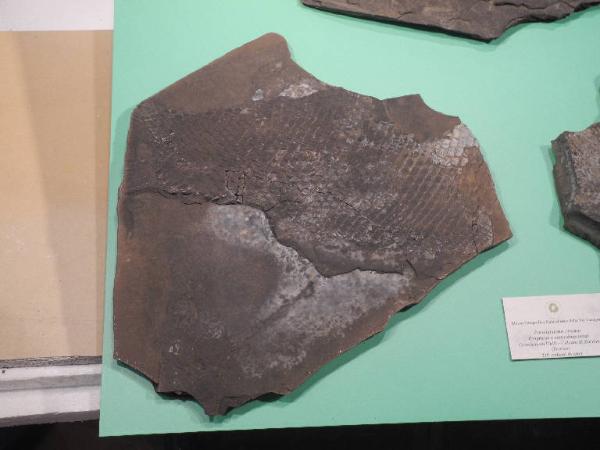
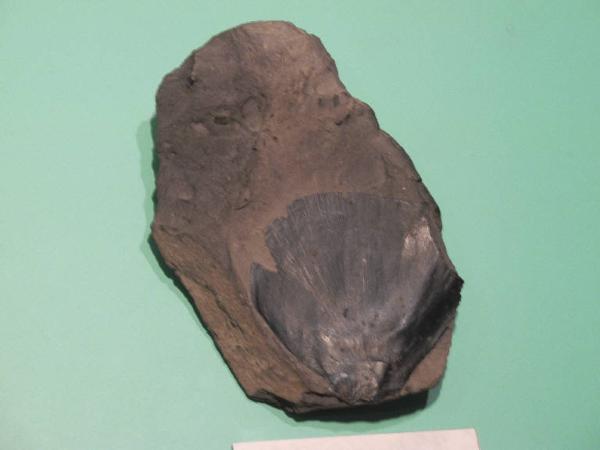
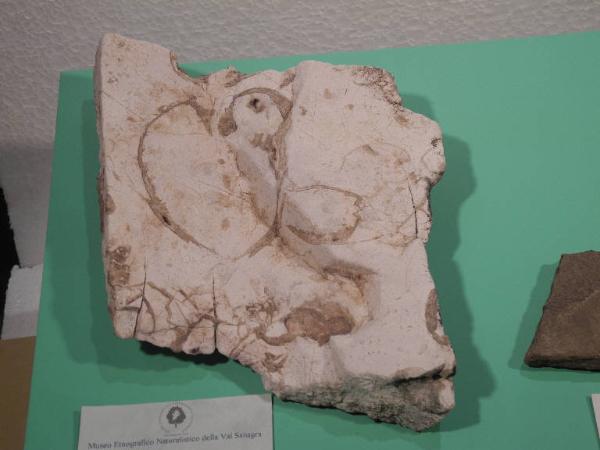
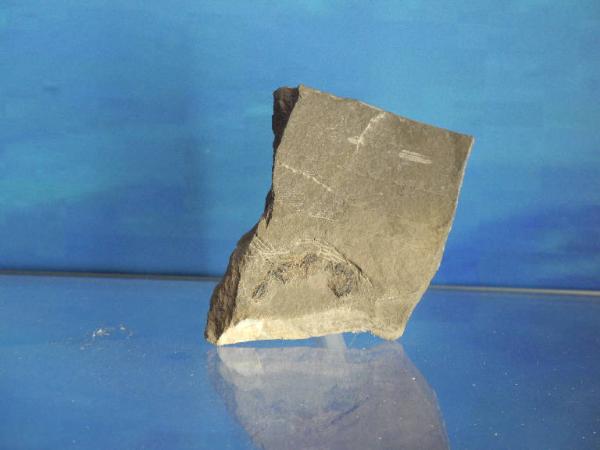
Similar to a herring, no more than about forty centimeters long in the larger species, folidophores can be counted among the oldest examples of teleosts, that is, the most highly evolved bony fishes. Their outward appearance was that of typical medium-sized fishes, with a fairly elongated body, symmetrical tail, single dorsal fin, rather low pectoral and pelvic fins, and anal fin close to the tail.
The animal must have been a fast predatory fish of the open sea. Its prey must have been small animals, such as plankton and crustaceans, although it must not have disdained other smaller fish (fossilized stomach contents prove this).
Despite its modern appearance, the pholydophore still retained primitive features typical of its paleoniscoid ancestors: the outer ganoid scales were still heavy and thick, and the vertebrae were only partially ossified, while otherwise retaining a cartilaginous structure.
More evolved forms, contemporary with Pholidophorus, such as Leptolepis, will be the first true teleosts, with a totally ossified spine.