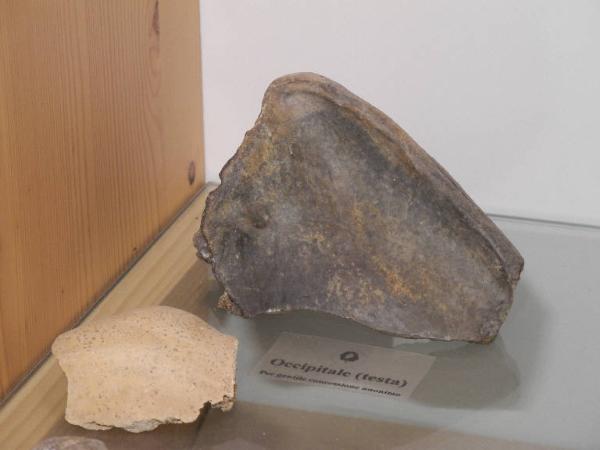
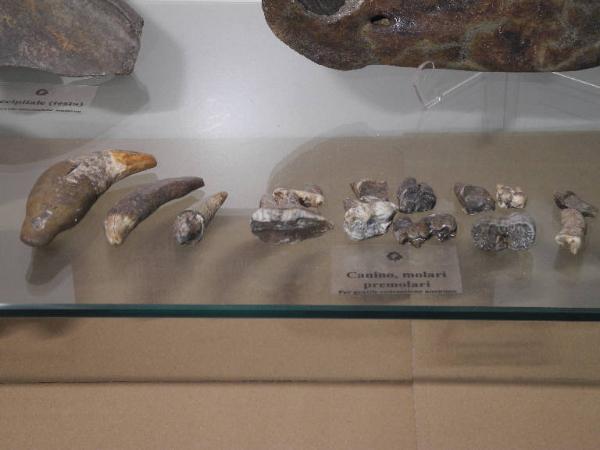
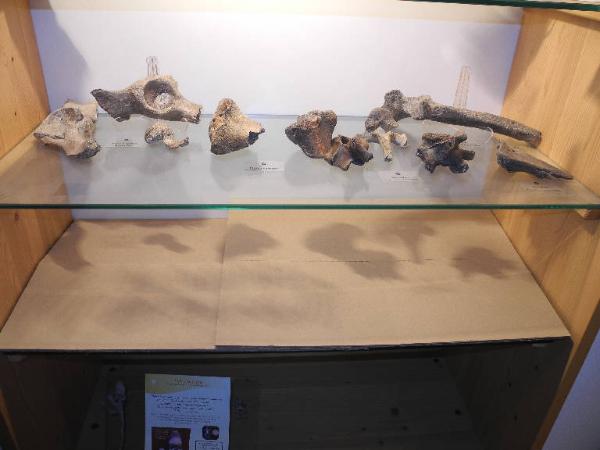
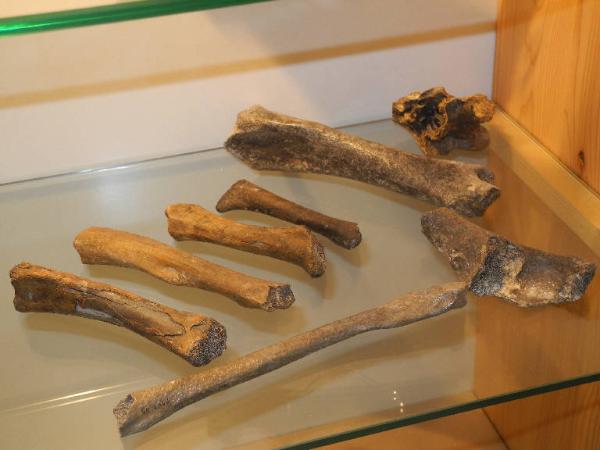
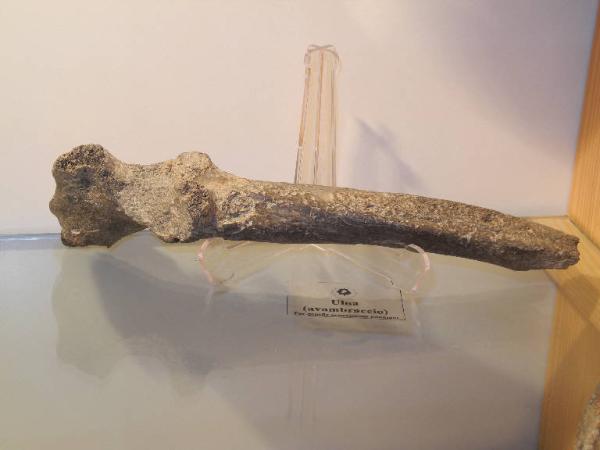
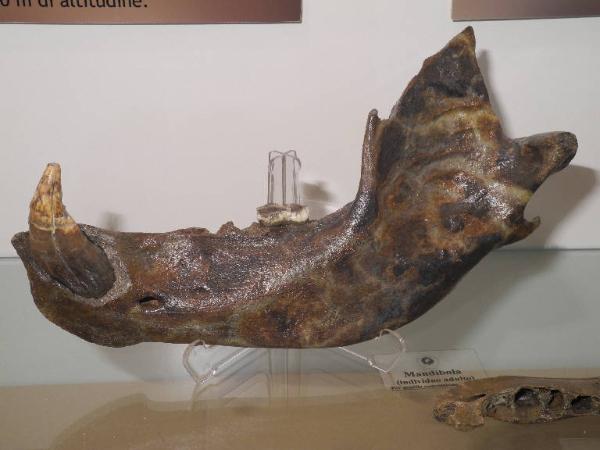
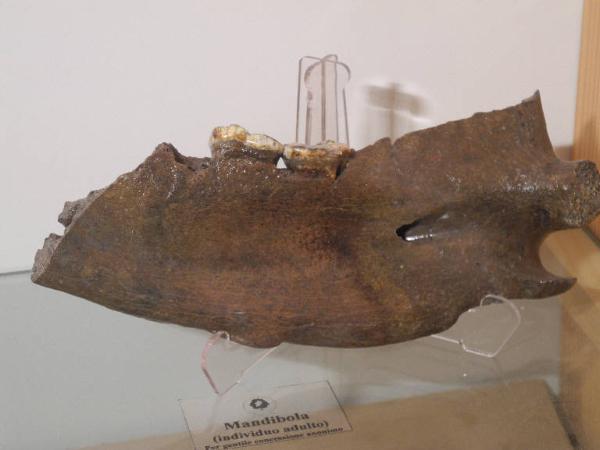
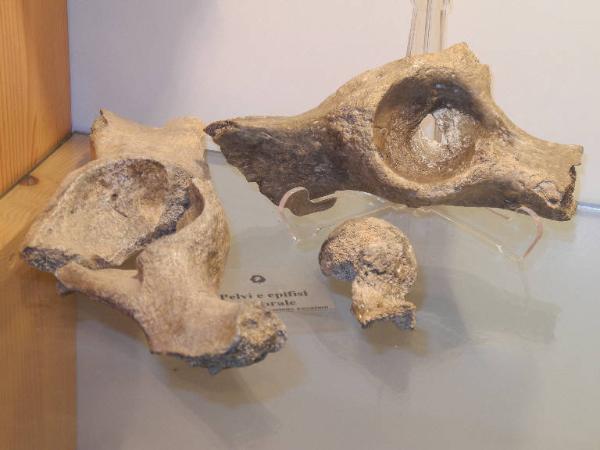
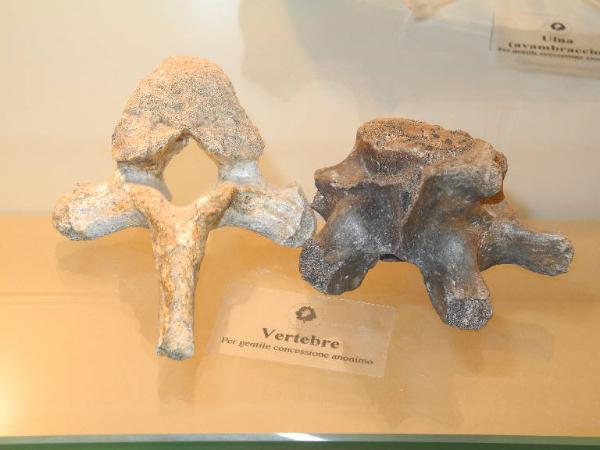
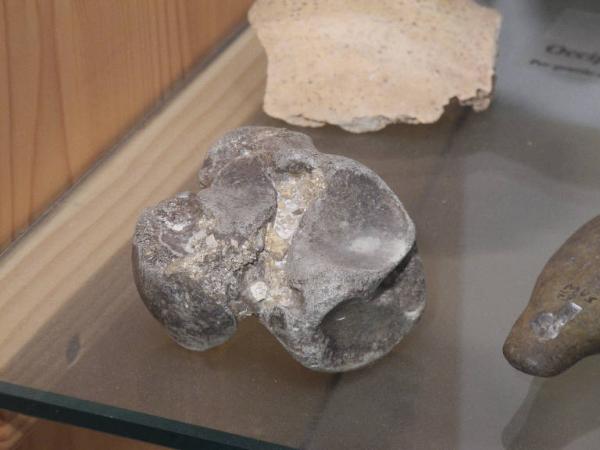
The cave bear (Ursus spelaeus), also known as cave bear, was a species of bear that lived throughout Eurasia in the Pleistocene.
The size of this bear was very large, and sexual dimorphism was very evident: males could reach 3 meters in height (in standing position) and could weigh up to 1,000 kilograms (when close to hibernation), while females were about half the size. Its average size was therefore larger than that of larger grizzly bears and the kodiak bear.
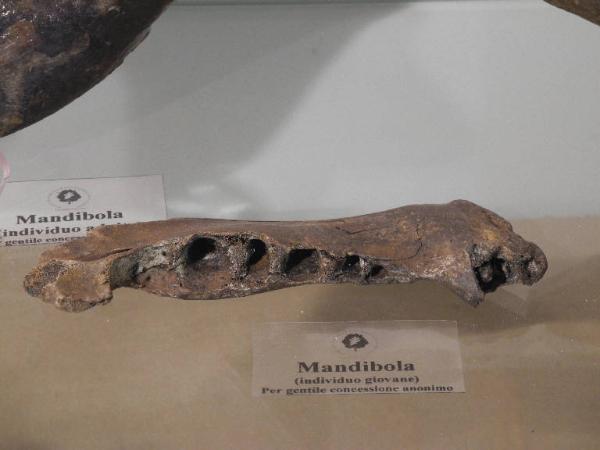
The teeth of this large animal would seem to recall a diet tending toward a more herbivorous regimen. Not surprisingly, some authors liken it to the Marsican bear, also typically vegetarian (or nearly so).
The evolutionary tendency of the cave bear is to greatly reduce the size of its teeth, which are increasingly less feral and increasingly suitable for chewing (consistent with the limitations of a carnivore's teeth).
In addition to the peculiarity of the teeth, an immediate diagnostic feature between the skull of the cave bear and that of the brown bear is the fronto-nasal profile, equipped with a well-pronounced "stop" in the former, almost straight in the latter.
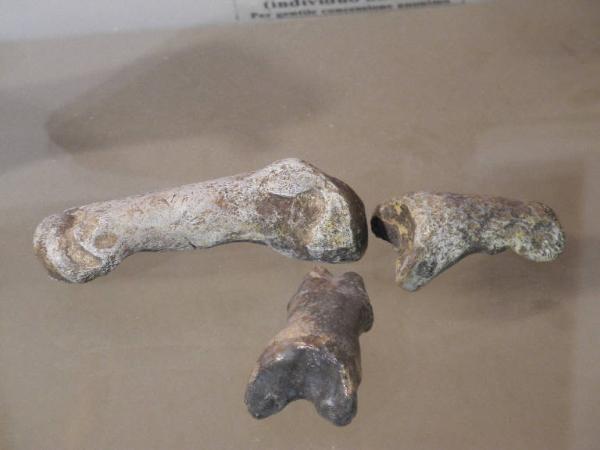
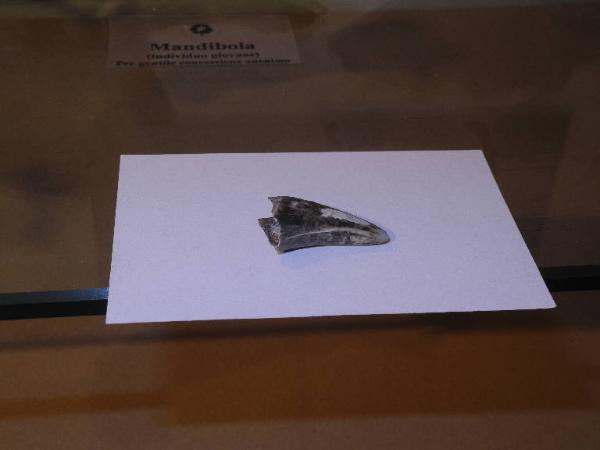
The cave bear's build was indeed massive; its paws were equipped with long, strong claws, tools that could become fearsome when used against prehistoric humans.
In fact, these bears often competed with our ancestors for cave ownership (but thanks to the intimidating use of fire, bears were supplanted by humans).