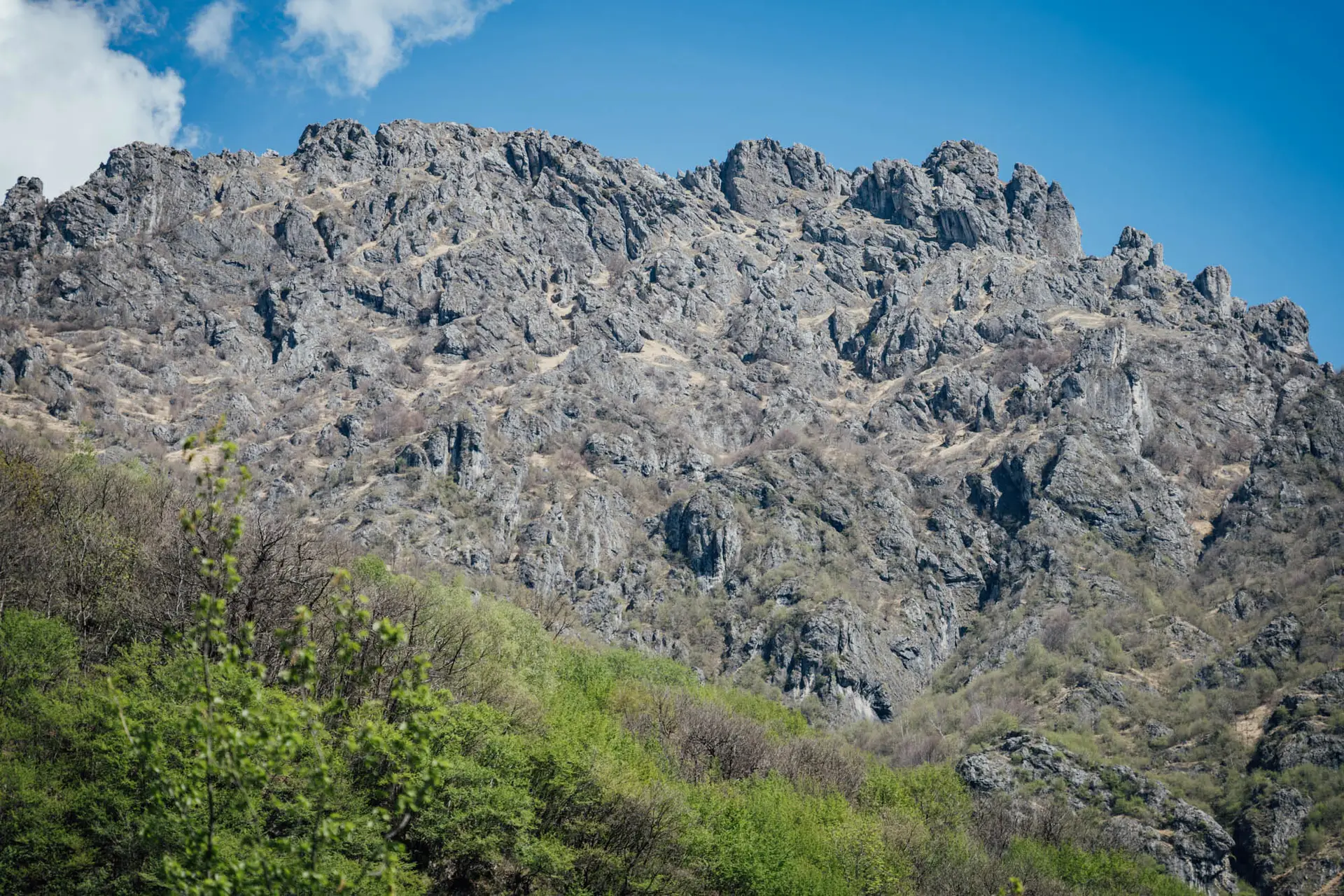
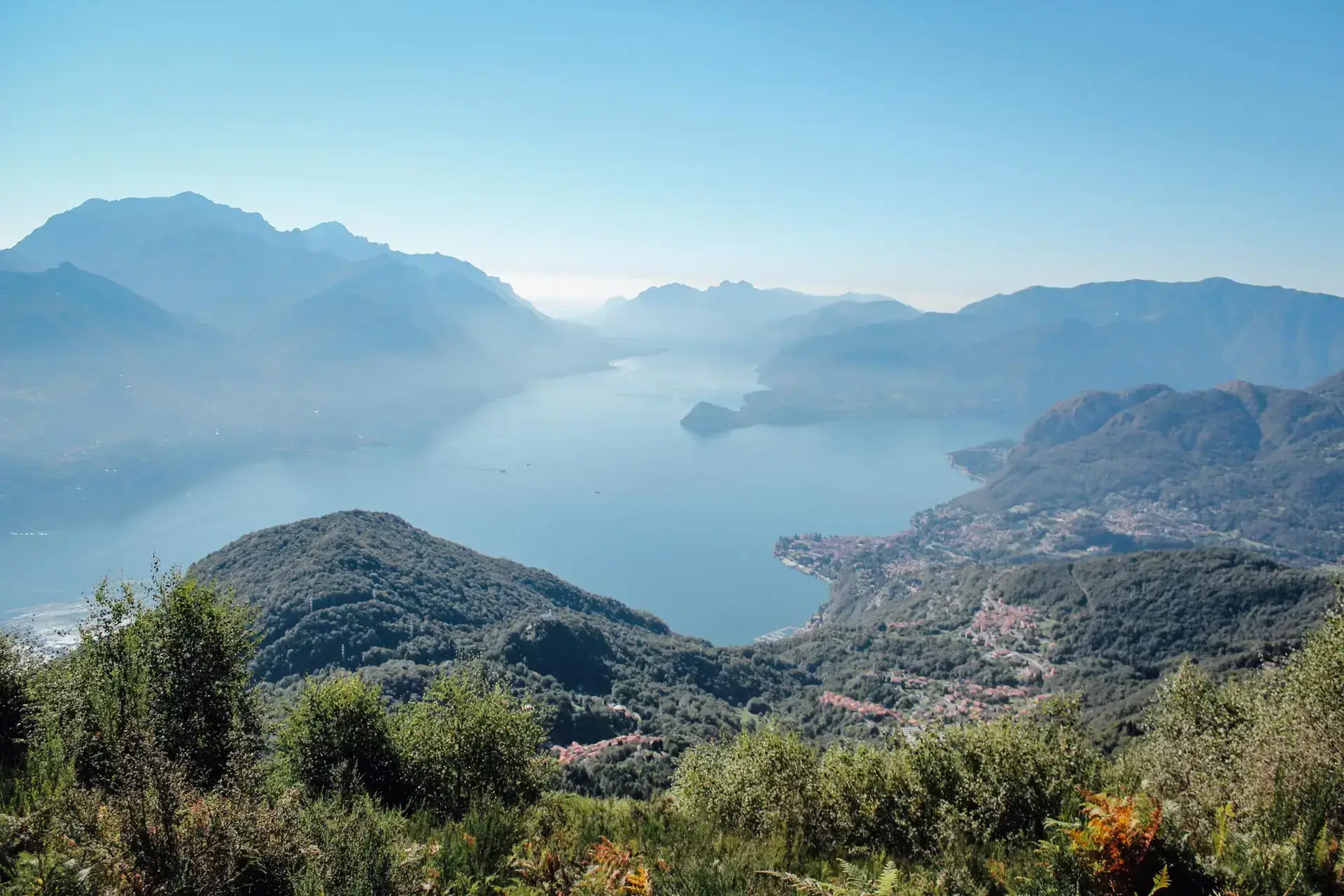
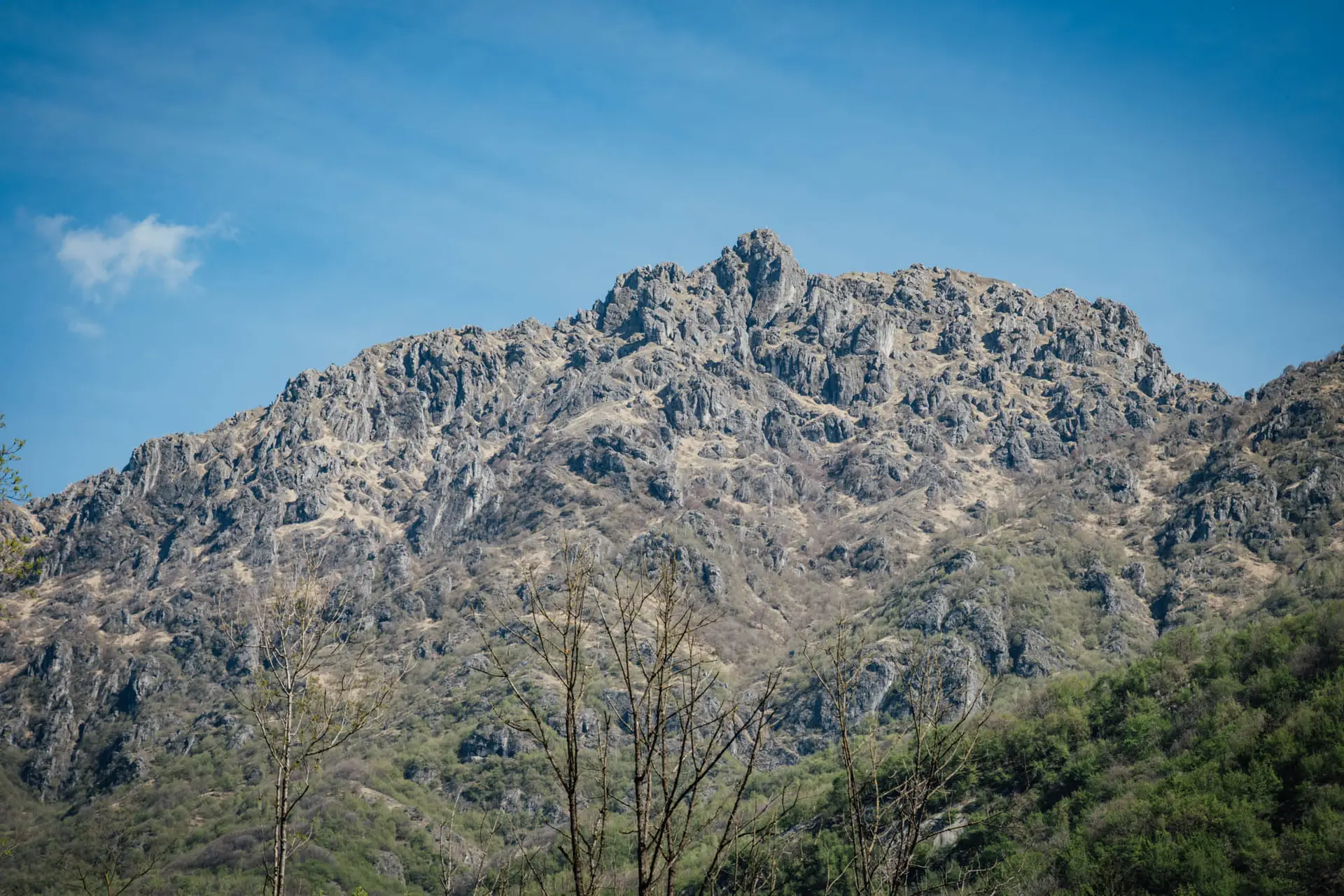
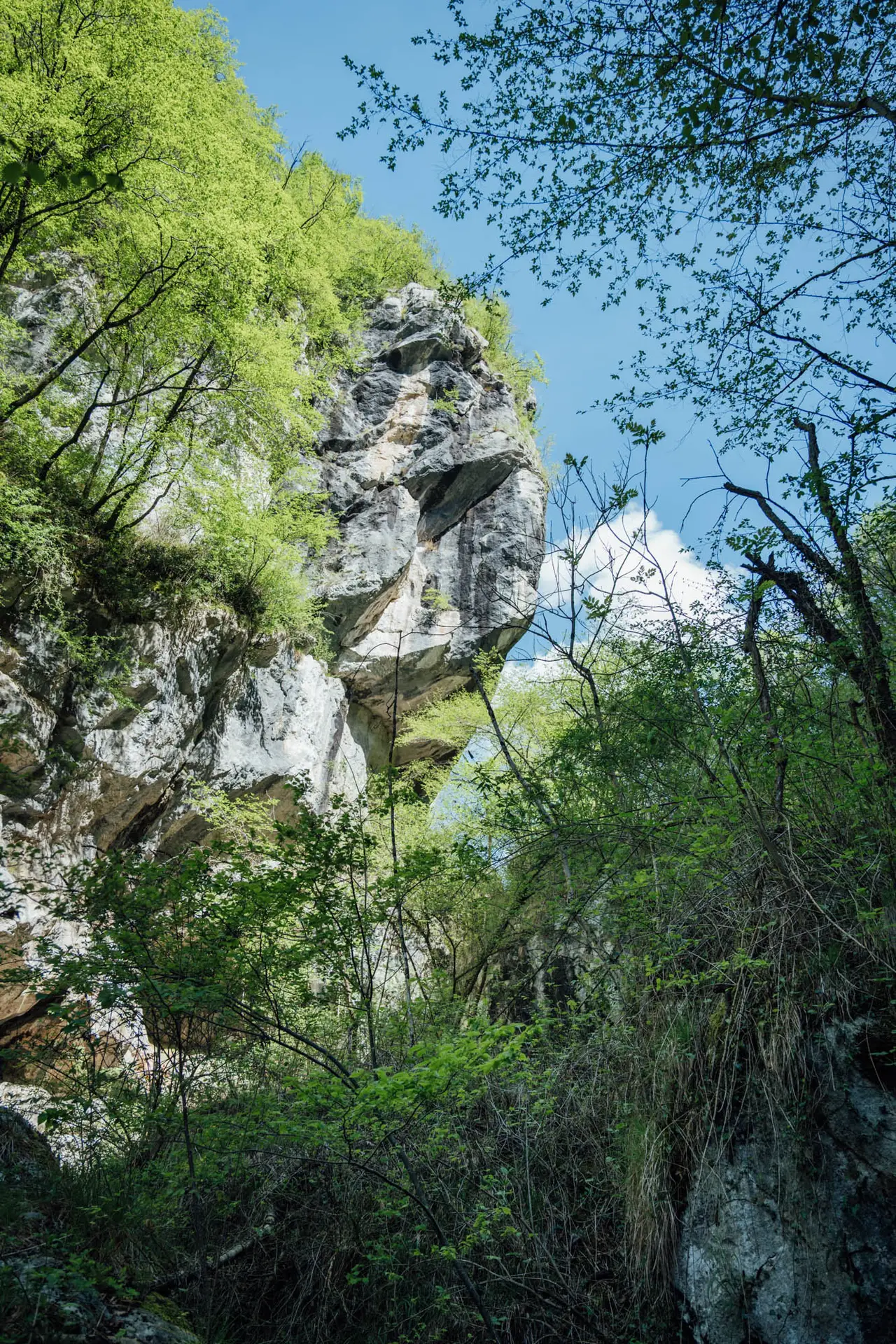
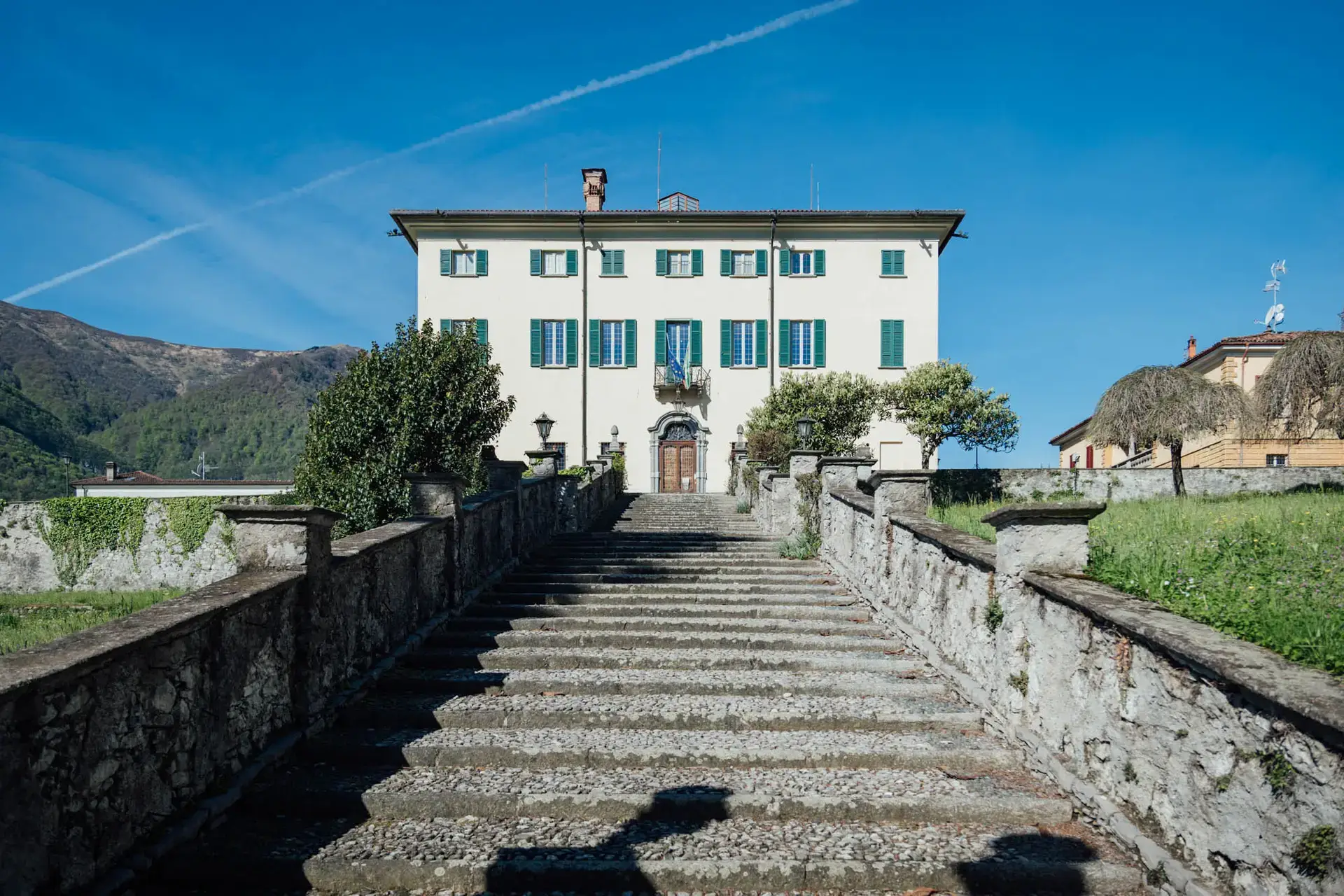
The Mount Grona rises 1736 m to the center of Lake Como. It is a relief consisting entirely of the Dolomite Main, geological formation dating back to the Noricum, a period of the Upper Triassic.
In the basal parts, the rock shows relevant stratifications that testify to the presence of the Zorzino Limestone, a sedimentary deposit coeval with the Dolomite. The transition from the Main Dolomite s.s. (Mothers' Mountains) to the Stratified Dolomites and thus to the Zorzino Limestone has had profound influences towards the geomorphology of the middle-lower section of the valley; in fact, the erosive action has been most prominent in the outcrop areas of the tender Zorzino stratifications.
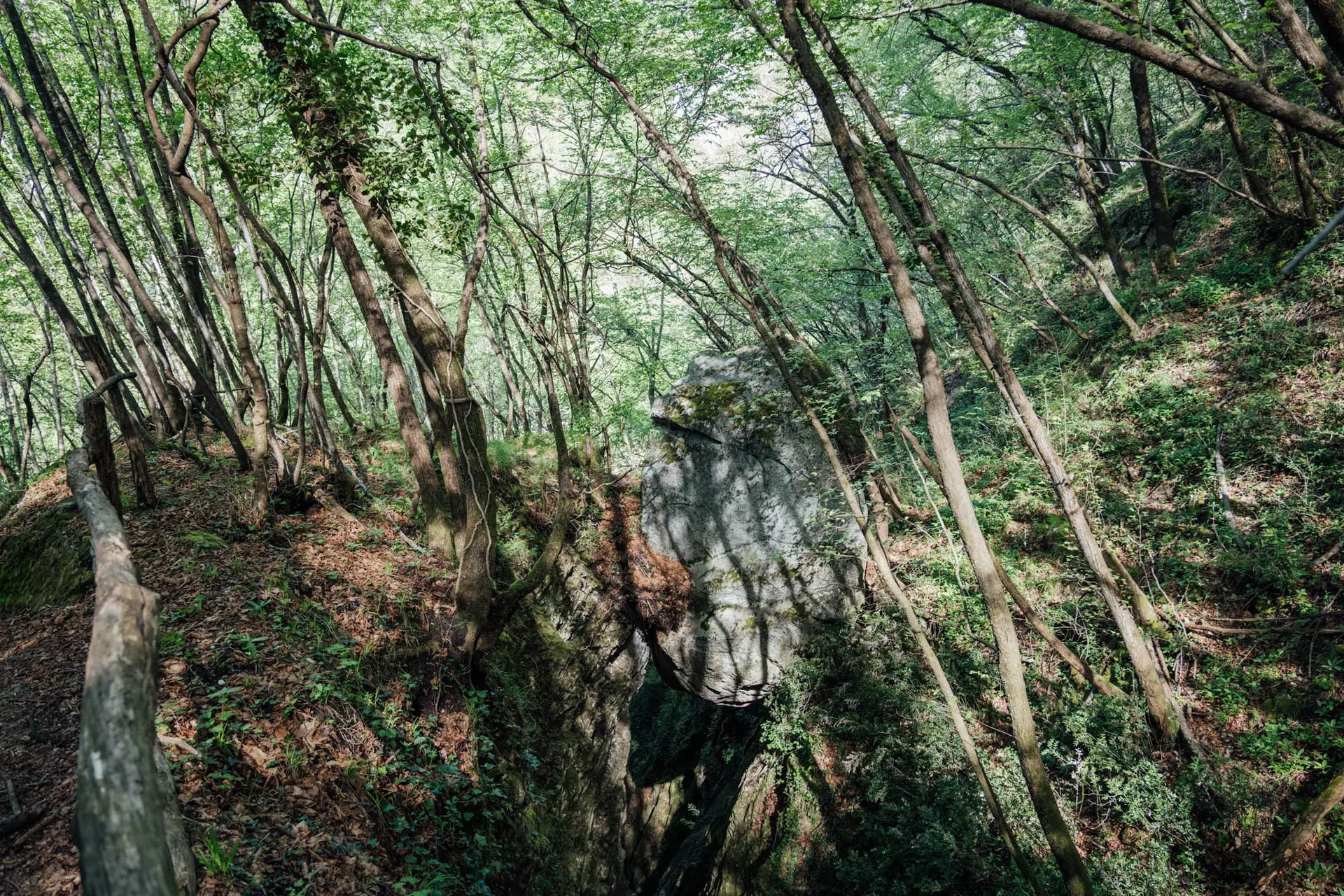
Inversely, the Main Dolomite has been more resistant to environmental (and stream) disturbances by maintaining rugged and accentuated profiles (Grona Coast). Another element that further differentiates the Grona is the line of the same name (Grona Line), a fault (rift) of regional importance with an approximately east-west trend. The Grona Line begins at the Forcoletta and continues westward toward Mount Grona, Mount Pidaggia, and Canton Ticino. At its western limit it is interrupted by the Lugano Line, which separates the vast Lyssic basin of Mt. Generoso from a high structure.