Villa Camozzi, home of the Ethnographic and Naturalistic Museum of the Sanagra Valley

Villa Camozzi

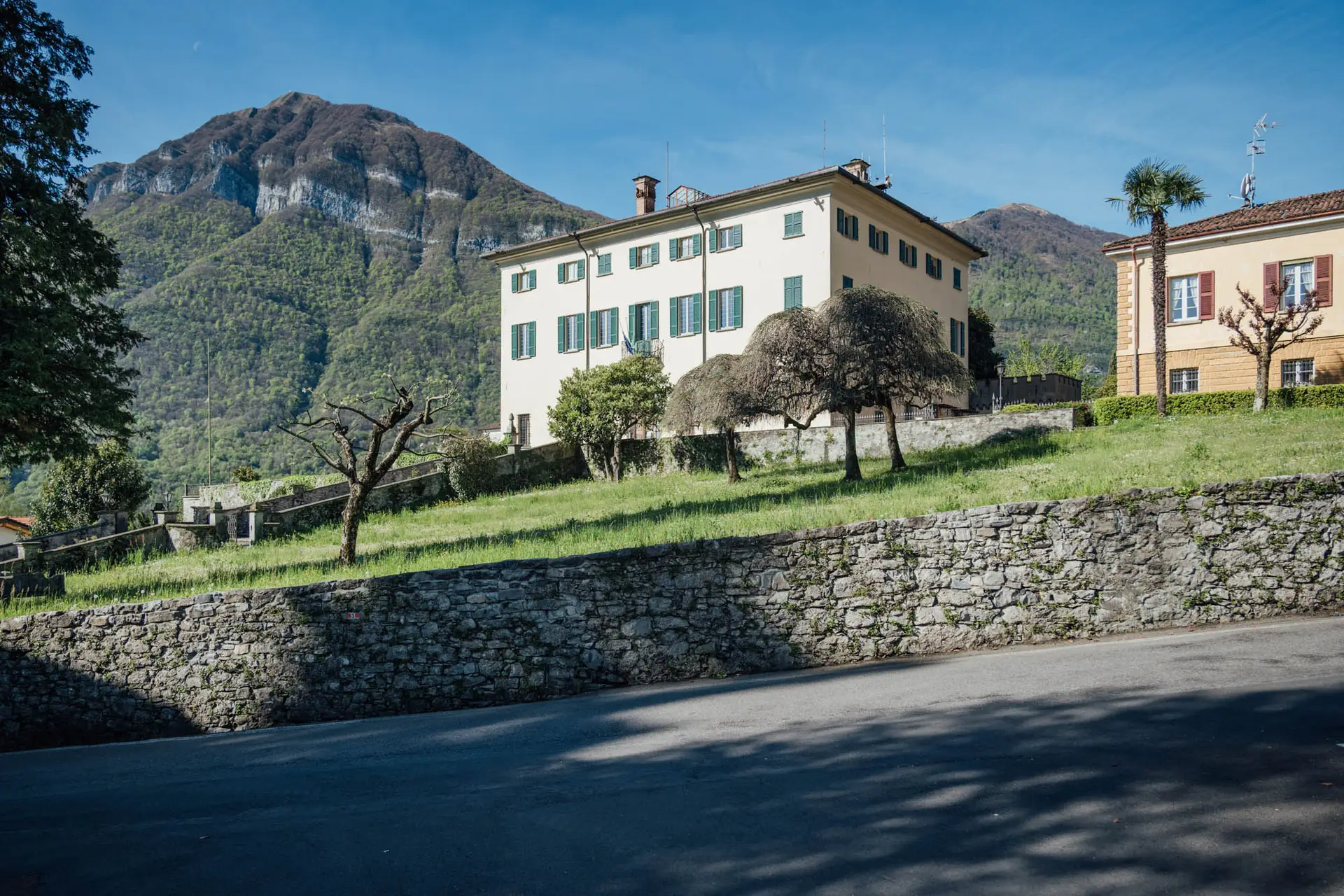
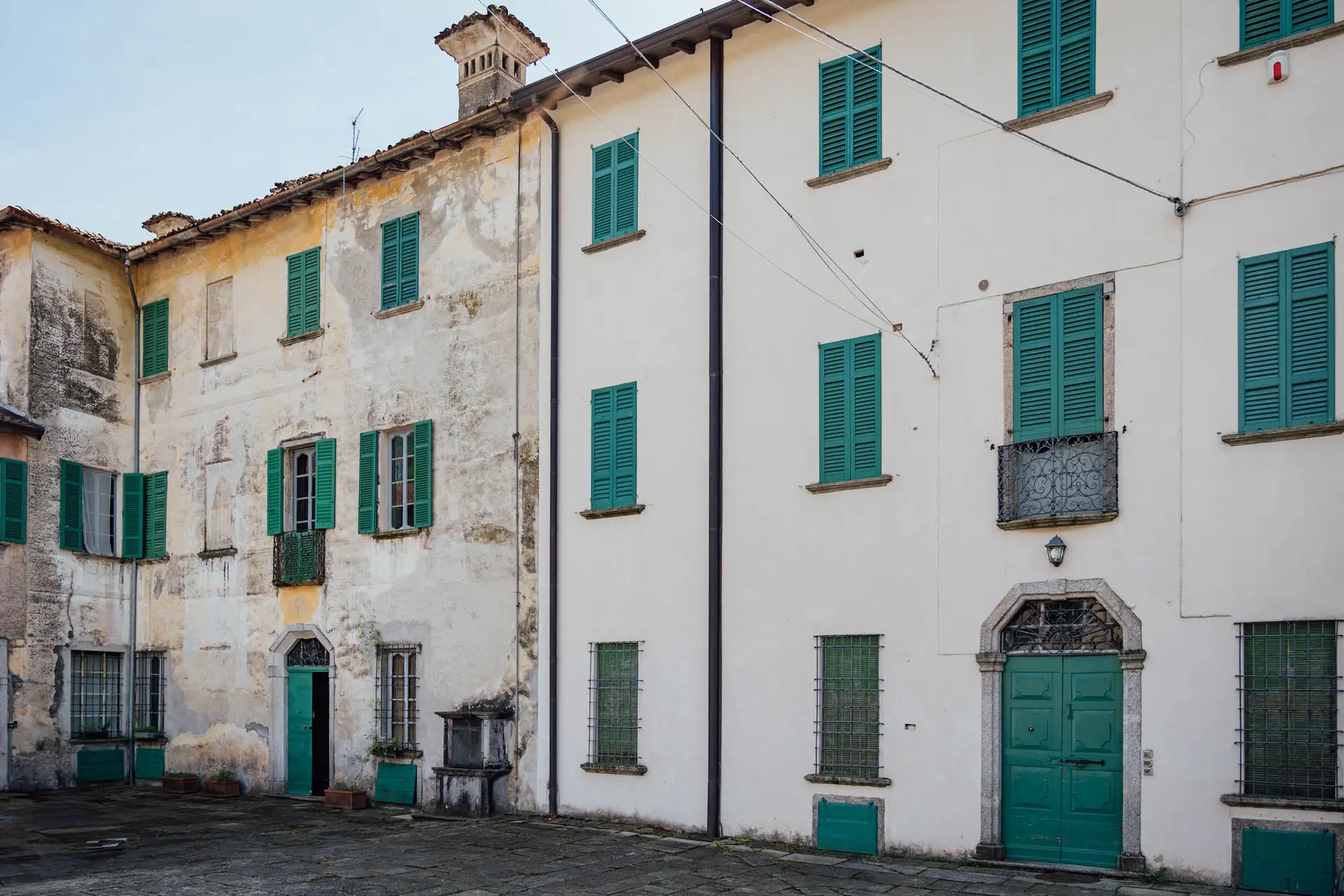
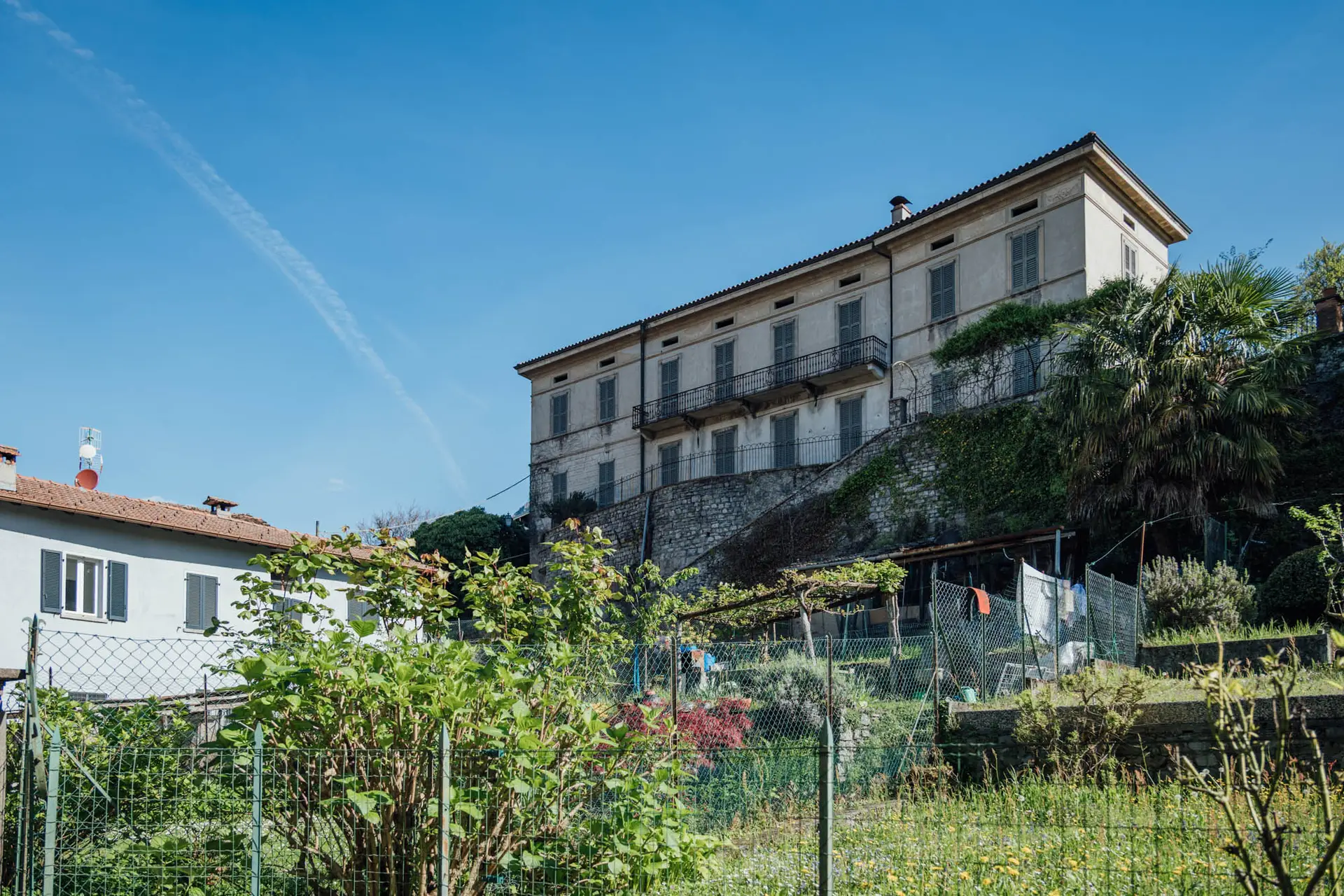
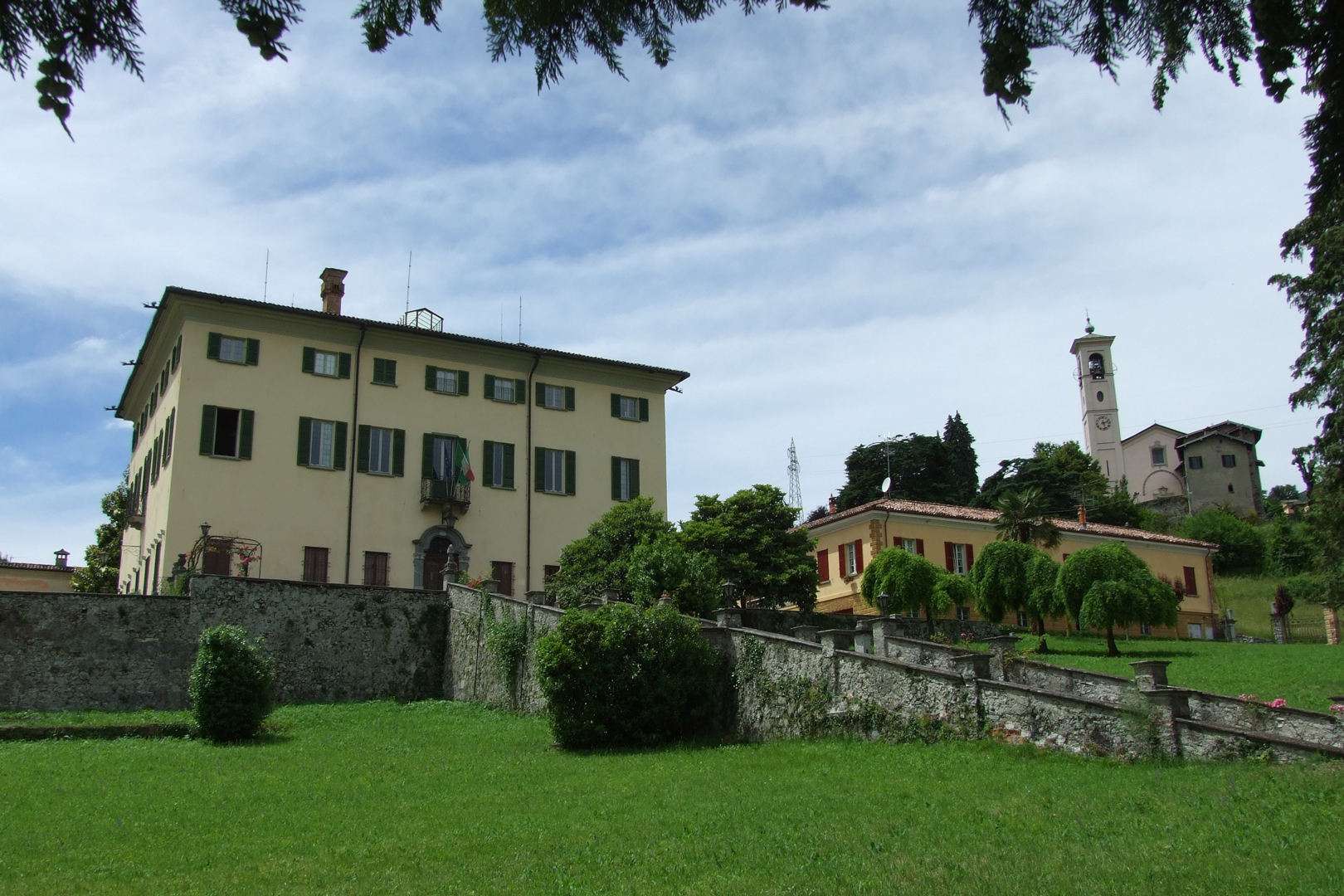
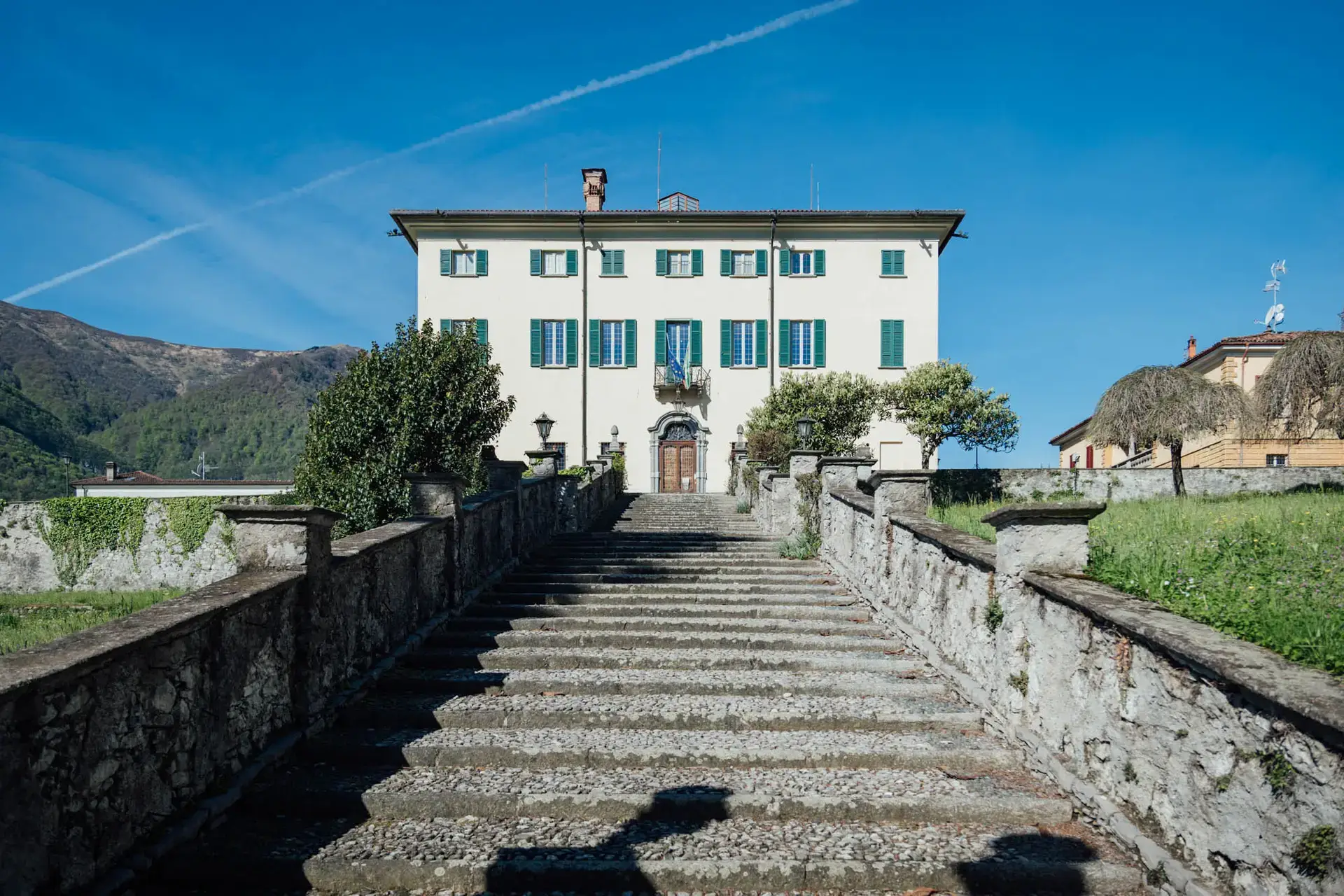
Villa Camozzi, located in the hamlet Codogna, is home to the municipal administration and the Val Sanagra Museum. The building dates back to the 16th century and is the work of Giorgio Guaita. Its commanding position provides a panoramic view of the entire valley as far as Menaggio. The garden surrounding the villa is large in size, adding to the charm of the building.

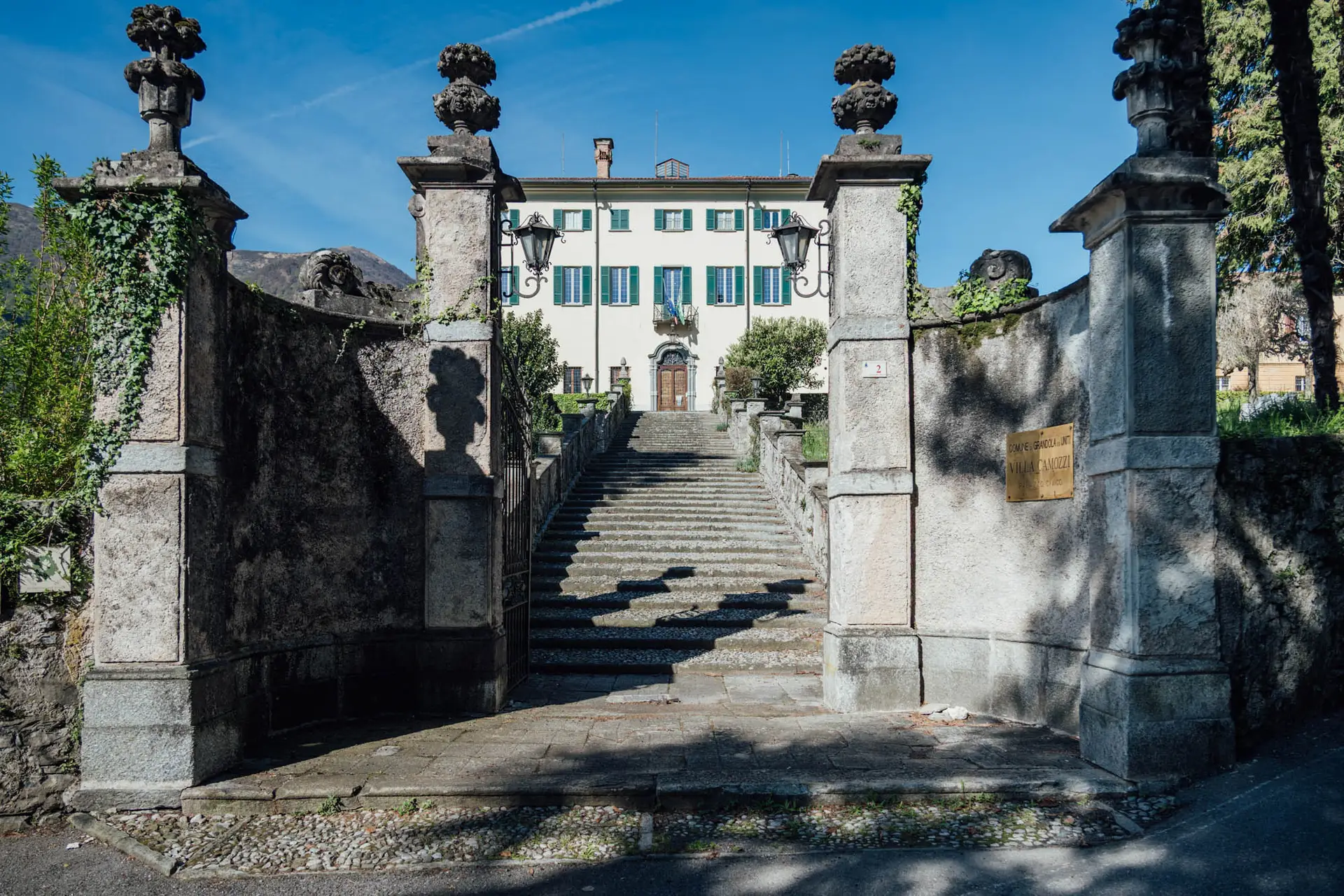
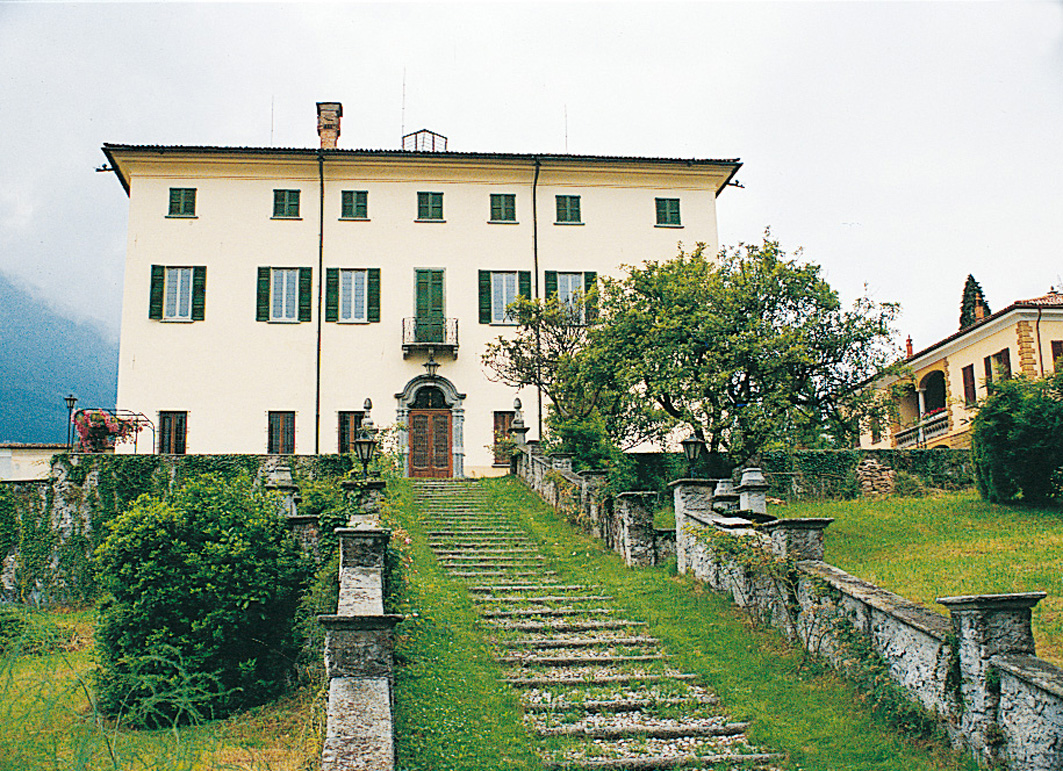
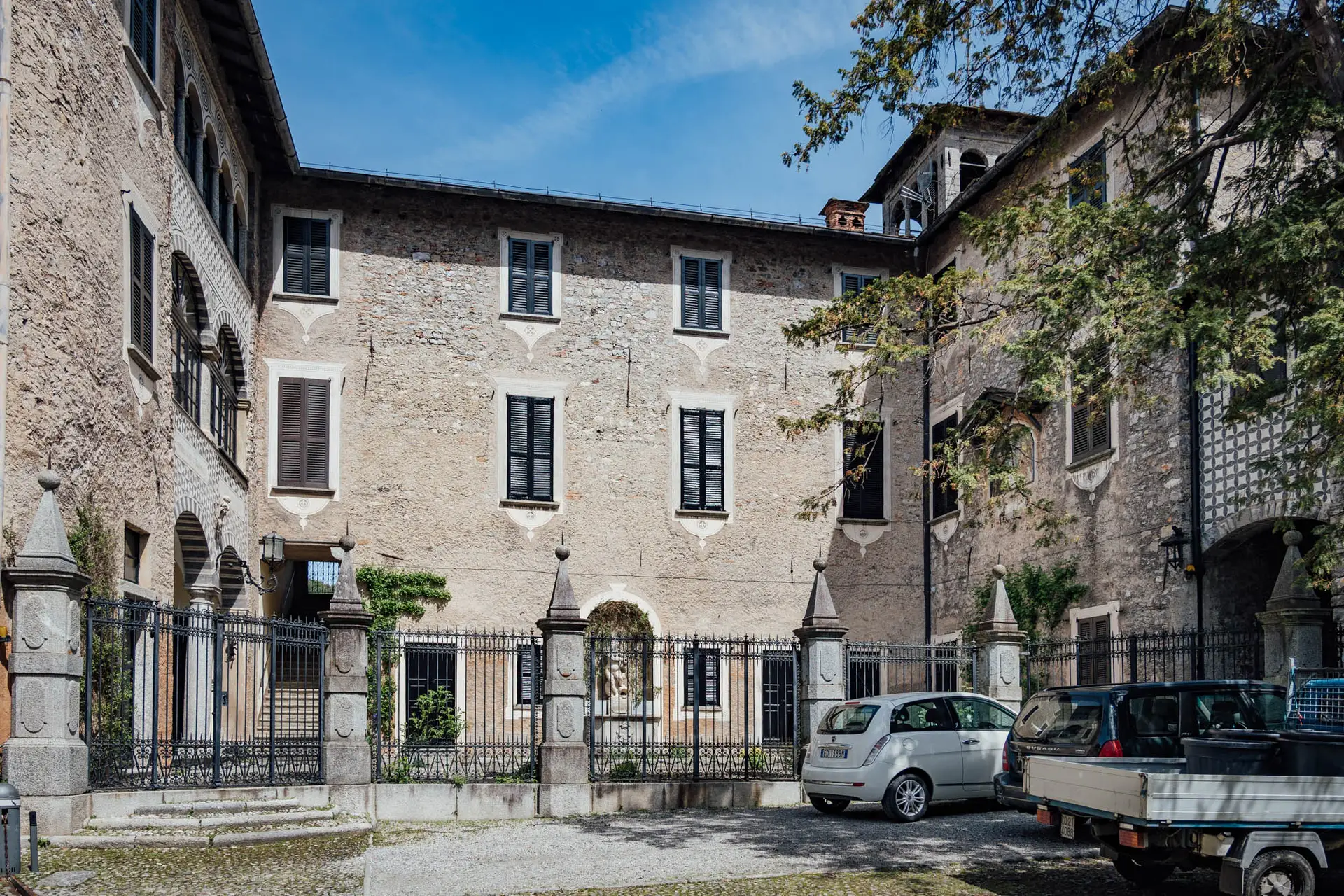
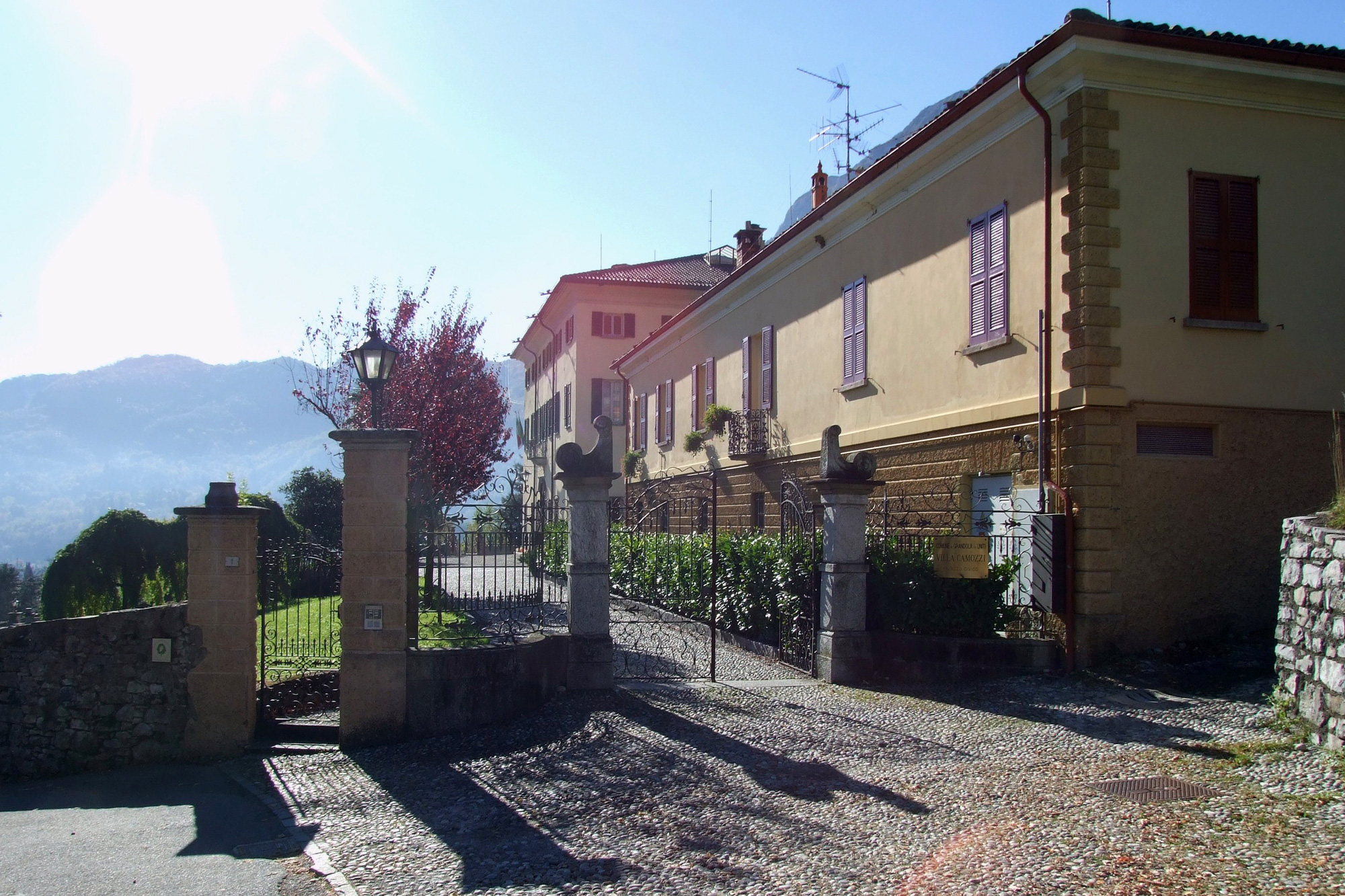
On the outside, the seventeenth-century portal in bushhammered granite, while the interiors are embellished with 18th-century rooms with stucco and frescoes, as in the ballroom. The upper floors feature decorated wooden ceilings and, on each floor, there are ample marble fireplaces and spaces with cross or barrel vaults, also adorned with frescoes. The entrance gate, flanked by pillars, leads to a large staircase that leads directly to the portal on the facade.

Today, Villa Camozzi hosts exhibitions, events and cultural events and is one of the symbols of Grandola ed Uniti.

Architectural Notes

Villa Camozzi is an authentic example of an 18th-century manor house, characterized by a clear and harmonious architectural layout. The villa consists of a rectangular main building and service buildings, all surrounded by a panoramic terrace overlooking the Menaggio Valley. Access is via a driveway and staircase with wrought-iron gates.

The main building has a symmetrical structure, with a central atrium, halls on three sides and kitchen on the fourth on the ground floor. The bedrooms are on the upper floors, connected by a serizzo staircase. The interiors are embellished with frescoes, solid walnut doors and wrought-iron railings, lending an elegance typical of Lombard villas of the period.

Service buildings include stables and wine-making rooms, with an ancient walnut wine press. The villa still retains valuable original features, such as the eighteenth-century portal in bush-hammered granite, the icehouse room, and a monumental stove. The sober, symmetrical facades are softened by wrought-iron balconies and fine architectural details.

The ensemble stands out for its composure and balance, representing a landmark in the landscape, with a large terraced garden overlooking the valley. Its structural and decorative organicity, rare for the area, reflects careful planning, similar to the most celebrated Lombard mansions.

Current role of Villa Camozzi

Villa Camozzi today represents a landmark for the community, thanks to its transformation into a cultural, administrative and museum center. Its public use is based on three basic principles: the protection of its historical and architectural heritage, the creation of a center for social and cultural gathering, and the development of convention and environmental activities.

The villa currently houses:

  • The City Hall, with modernly organized offices and a Council Chamber located in the former noble hall, which also serves as a venue for civil weddings.
  • The Convention and Exhibition Center, which provides space for cultural events, scientific conferences, theatrical performances, cineforums and concerts.
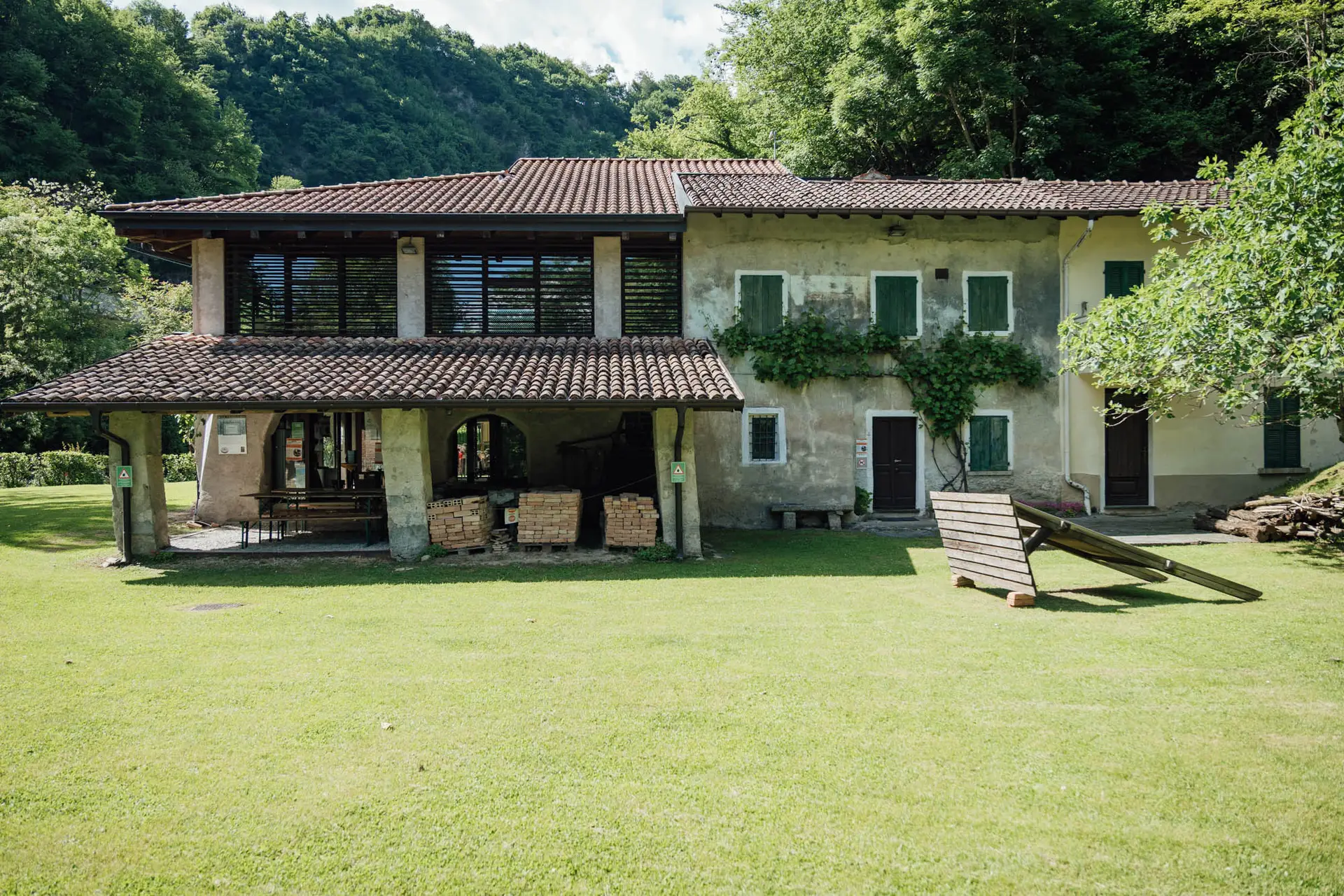
  • The Sanagra Valley Ethnographic and Natural History Museum, dedicated to the conservation and dissemination of local heritage, with sections on fauna, flora, mineralogy, ethnography and history of the area.

Thanks to the efforts of the municipal administration, the restoration of the villa has made it possible to preserve an important historical heritage, transforming it into a place of culture and identity for the entire community.

 

Built around the mid-18th century by the noble Guaita family, the villa later passed to Luigi Camozzi, Napoleonic artillery officer and Italian patriot. After a prestigious military career, which saw him distinguish himself in the Napoleonic campaigns and in the "Five Days of Como" of 1848, Camozzi retired to Grandola, where he lived until his death in 1875.

The villa was later inherited by his son Felice Camozzi, a notary and mayor of Grandola, and later by Emilio Camozzi, also a notary and mayor in two periods. After Emilio's death in 1942, the property passed to his heirs until it was sold in 1977 to the real estate company "Codogna S.r.l."

Concerned about the possible deterioration and change of use of the building, the municipal administration placed a public use bond on the villa and garden in 1982. Finally, on July 24, 1986, the Municipality of Grandola ed Uniti purchased the villa, preserving its historical and cultural value.

You might also be interested in.

Pathways and Insights

  • Article
  • Culture
  • Thematic Route
  • 2 hours and 30 minutes

Explore

Discover more Attractions

  • Attraction
  • Grandola ed uniti
  • Points of historical interest
  • Attraction
  • Grandola ed uniti
  • Places of naturalistic interest
  • Attraction
  • Plesio
  • Mountain Peaks
  • Attraction
  • Grandola ed uniti
  • Historical Activities
  • Attraction
  • Grandola ed uniti
  • Places of naturalistic interest
  • Attraction
  • Grandola ed uniti
  • Places of naturalistic interest
  • Attraction
  • Grandola ed uniti
  • Palaces, Villas and Gardens
  • Attraction
  • Grandola ed uniti
  • Palaces, Villas and Gardens
  • Attraction
  • Grandola ed uniti
  • Palaces, Villas and Gardens
  • Attraction
  • Palaces, Villas and Gardens

Association “Storia Natura e Vita”
Piazza Camozzi, 2
22010 Grandola ed Uniti (CO) –
Italy

VAT ID: IT 03290790132
Tax ID: 93007310134

[email protected]

Design by COMCEPT

Project implemented with the support of the PR FESR 2021-2027 of the Lombardy Region, Bando Innovacultura

Questo sito web è stato progettato tenendo conto delle linee guida WCAG 2.1 - level AA

Help us get to know our audience

Click the profile that best represents you and we will record your choice.