Silk and related activities
Como is the "Silk City," a center of global importance where textile processing has been an economic activity for thousands of years. In the beginning was wool; then, destined to permanently change the economy and culture, silk appeared on the banks of the Lario.
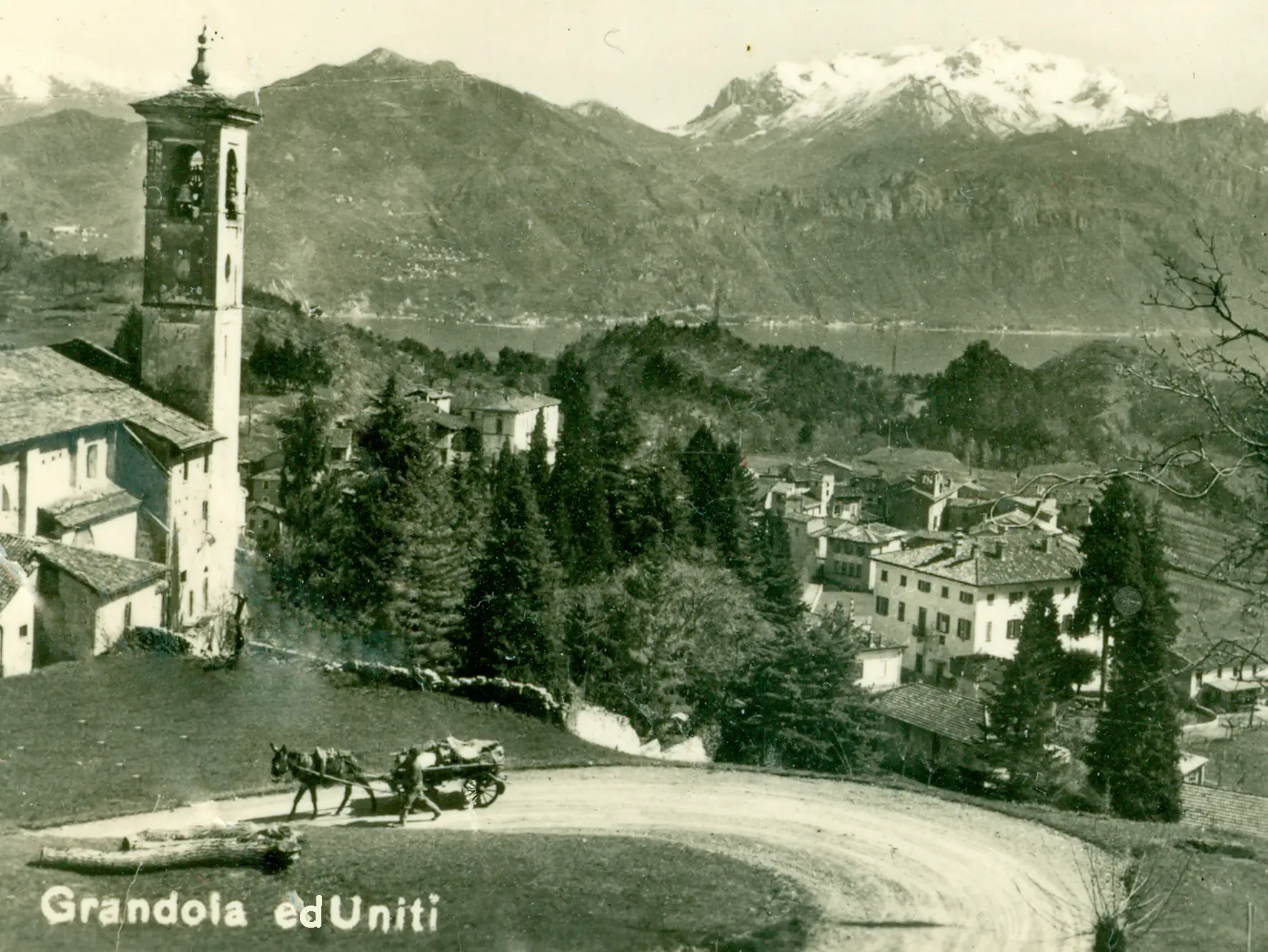
The first manufactures date back to the year 1000, and wool was the main production. Como was a very important center, as was the surrounding area. The religious order of the Humiliati played a central role: much of the labor referred to it. Wool production reached the centers of northern Europe via the Alpine passes, passing mainly through the main junction, the San Jorio pass above Dongo (CO); some goods also passed through the Menaggio Valley e Grandola and United. In the sixteenth century, competition from northern European countries created a major crisis for Como wool, but a new product made its appearance: the silk.
According to tradition silk was brought to Como from China in 1510 by the humble friar Daniel; others attribute the enterprise to Pietro Boldoni of Bellano (CO). Recent historiography considers it more likely to have been imported by Battista Maggi, in 1554. In any case, at first silk maintained a marginal role compared to wool.
Silk-related activities will continue with ups and downs until the eighteenth century, when silk production becomes fundamental to the local economy. In the nineteenth and twentieth centuries Como became the world's major center of silk production, partly and mainly through technological innovation.
Silkworm rearing
The silkworm has a long history: the ancestor is a nocturnal butterfly still found in Asia. Over the centuries, man has selected the most suitable species for silk production.
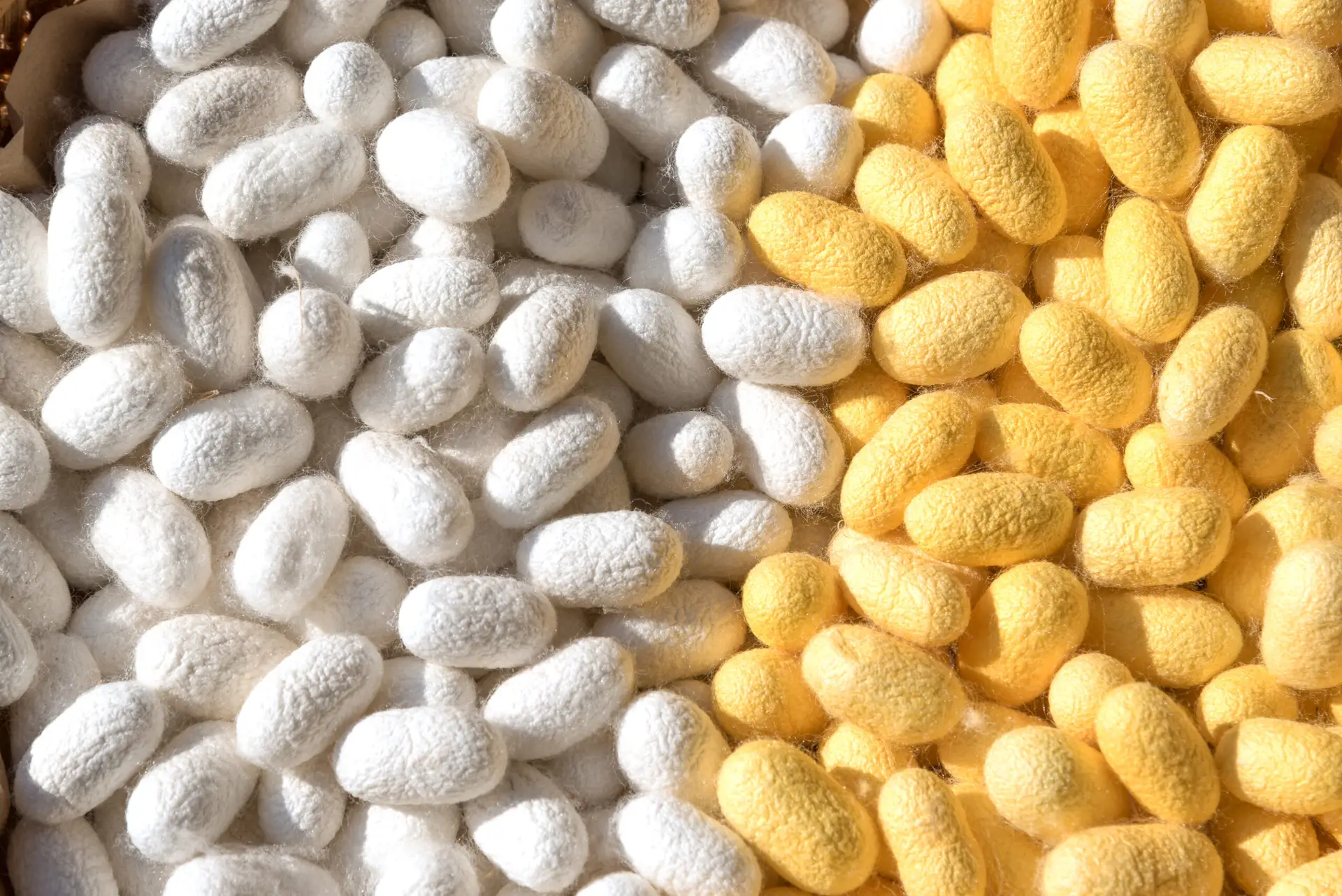
The larva is born very small, but in 30 to 32 days it multiplies ten thousand times its weight, undergoing as many as four molts. The worm feeds only on mulberry leaves, which it continuously swallows by shredding them. At the end of the growth process the larva seeks the so-called wood, or a branch, or stem, on which to rest and carry out metamorphosis. Here it emits a filament over one thousand two hundred meters long, which constitutes the cocoon.
In the following 15 days, the worm turns into chrysalis, and finally into an insect. At that point, using a special liquid, it emerges from the cocoon, dissolving the filament. The butterfly is about five cm in size, and unable to fly. Silk is precisely the filament of the cocoon produced by the larva.
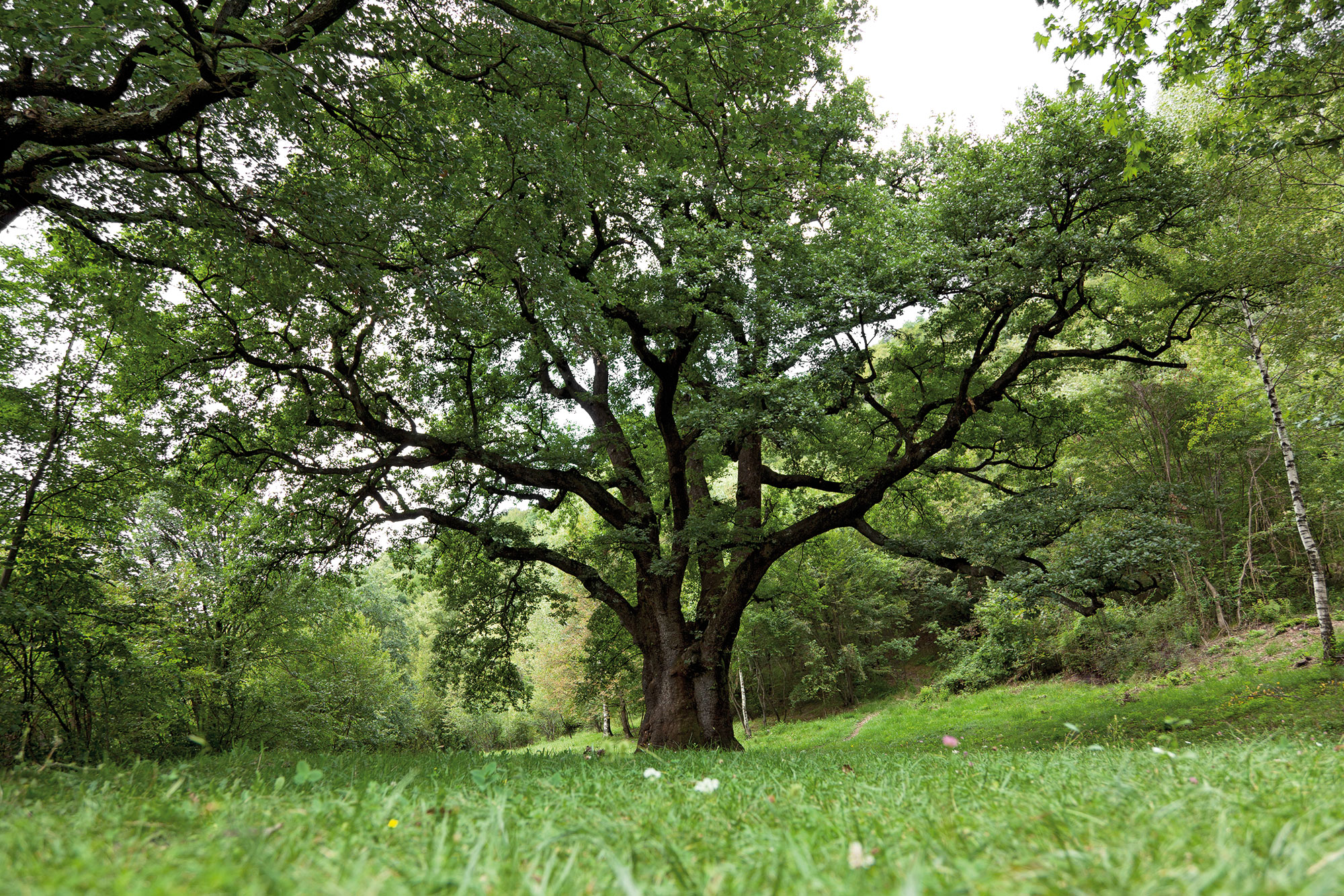
Traditionally, worms were raised at home by women. When they hatched they were placed on beds, constructed from various reeds that formed real castles, accessible by ladders. The labor was due to the feeding of the worms, which must be fed continuously with mulberry leaves. The leaves had to be gathered in large quantities and composed into small regular pieces with the help of some shears. The forest was thus constructed where the worms formed their cocoon.
Most of the worms were obviously killed and the chrysalis removed with a dry stove. Only a certain amount of cocoons were made to flicker (turn into butterflies) in order to reproduce.
Adult butterflies survive for only a few days given their inability to feed: they lack a mouth. After mating, the butterflies' eggs were placed on cloths and kept at a low temperature. After the nineteenth century, and as a result of epidemics suffered by the worms at the time, the eggs were subjected to selection so as to obtain those most resistant to disease. As early as the early twentieth century, incubators were introduced, and mulberry was also gradually replaced with replacement feeds.
The Spinning or Treating
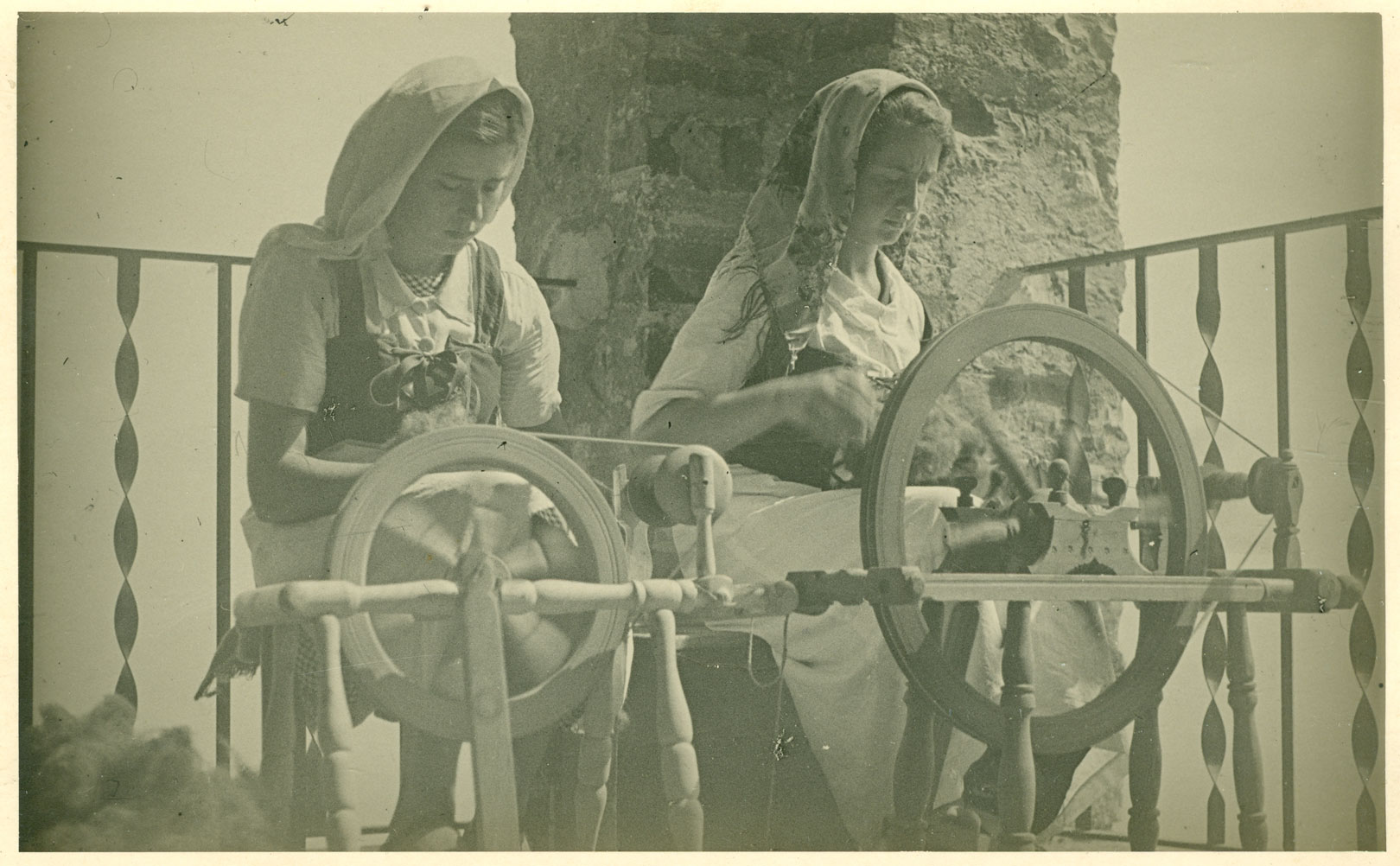
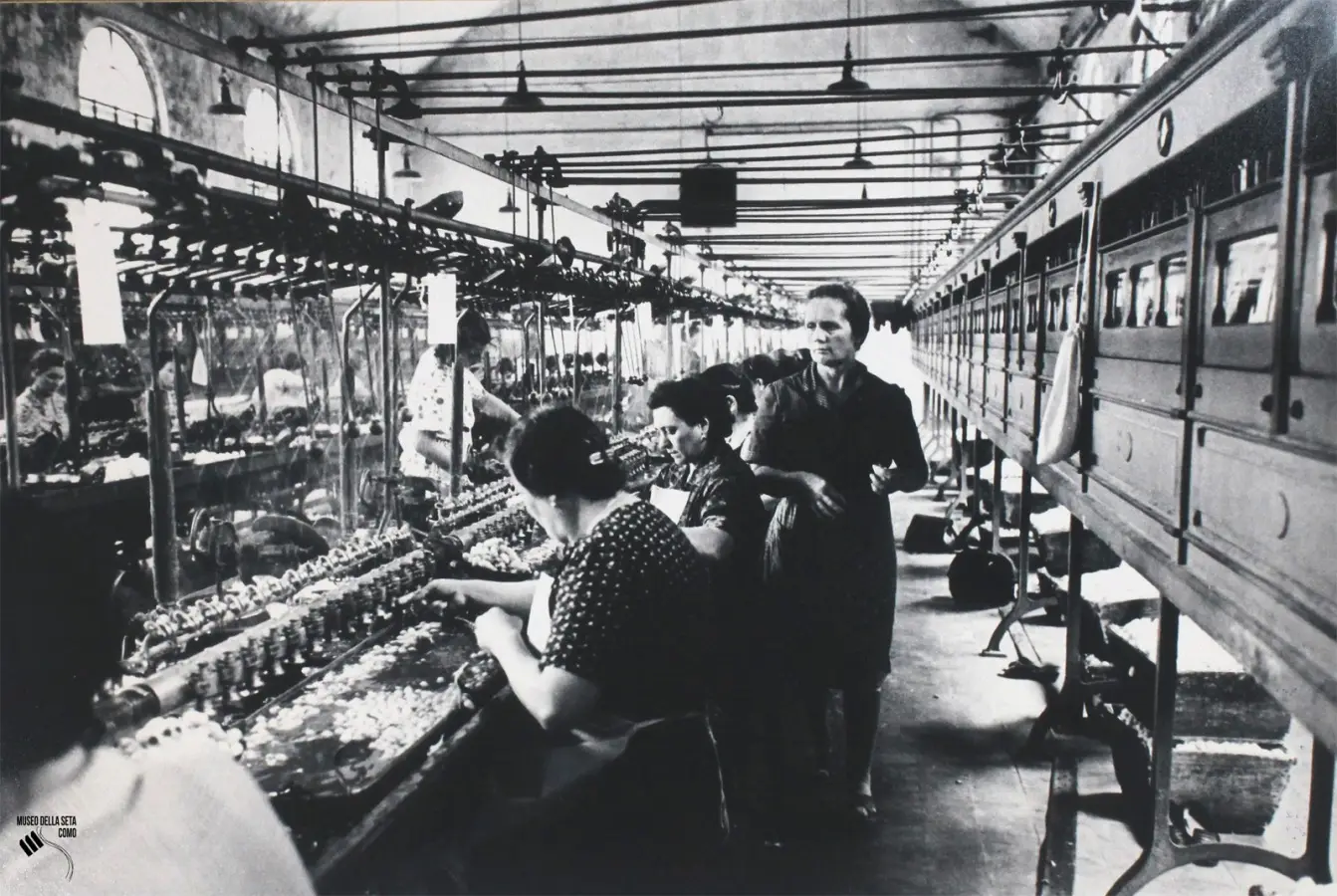
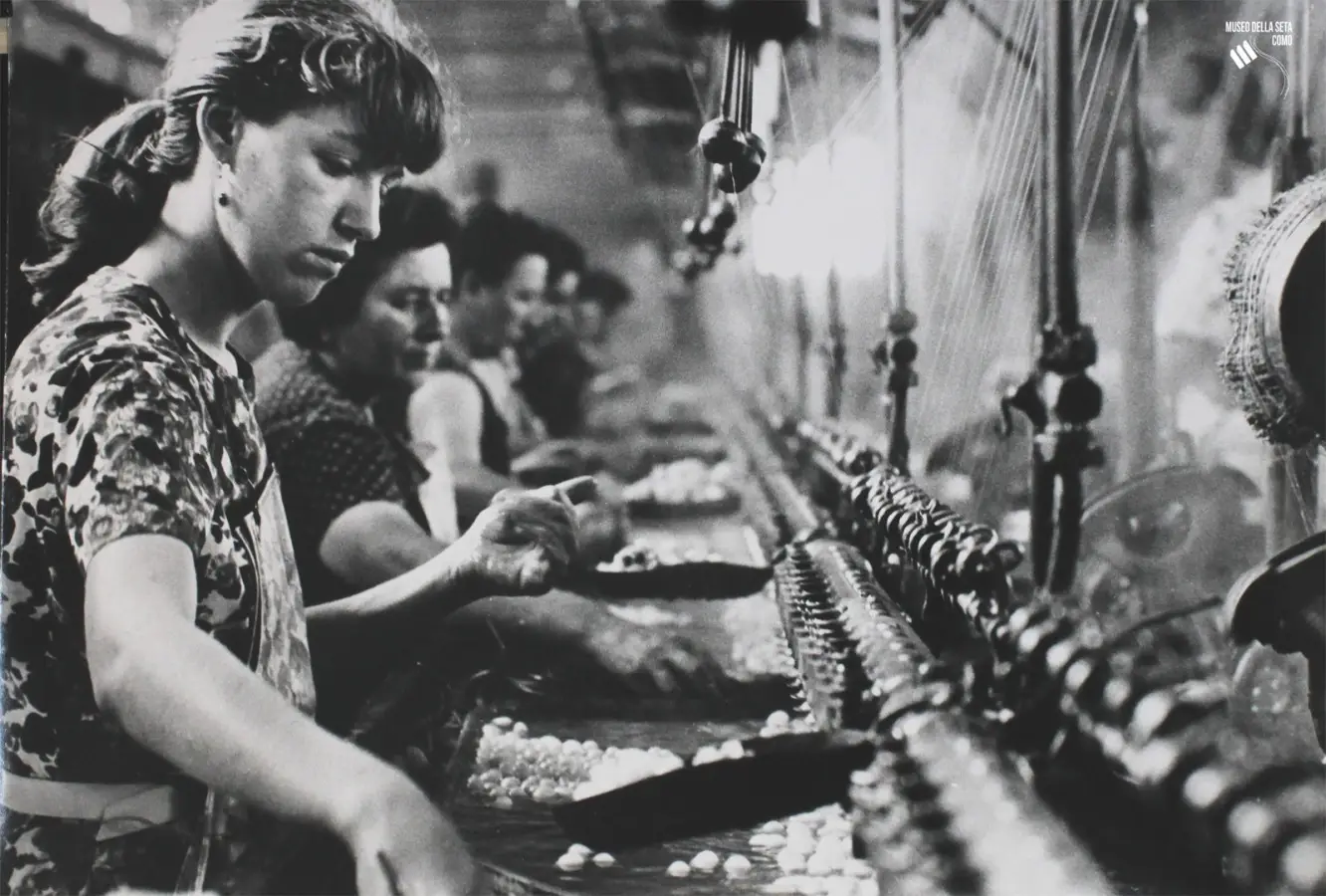
Spinning, or reeling, is the process used to unravel the thread of the cocoons. It was long and complex: it had to be quick and with the hands immersed in very hot water.
This work was entrusted to women, the filerine. These immersed the cocoons in some basins filled with water and, with the help of brushes, located the leader, or the end of the cocoon.
The women had to be very skilled: the thickness of the silk thread is not constant and therefore has more fragile points. The silk produced in the basins was then conveyed onto the reels of a caisson, where it was partially dried.
These reels were not fixed, but spun at about 70 to 80 revolutions per minute, and were then immersed again in water at a temperature of about forty degrees. Here the silk macerated then the spinners tied any broken threads with very small knots. Each spinning wheel came to produce about five hundred grams of silk every eight hours. Eventually the skeins were placed in the SILK HALL where they were cleaned and packed.
The Twisting
Twisting is a key step because the application of twisting gives more cohesion to the thread. In addition, varying the number of twists can result in softer or softer or more or less lustrous threads, hence silks of different types. Originally this was carried out by hand, but as early as the late Middle Ages a machine was developed that set multiple threads in motion.
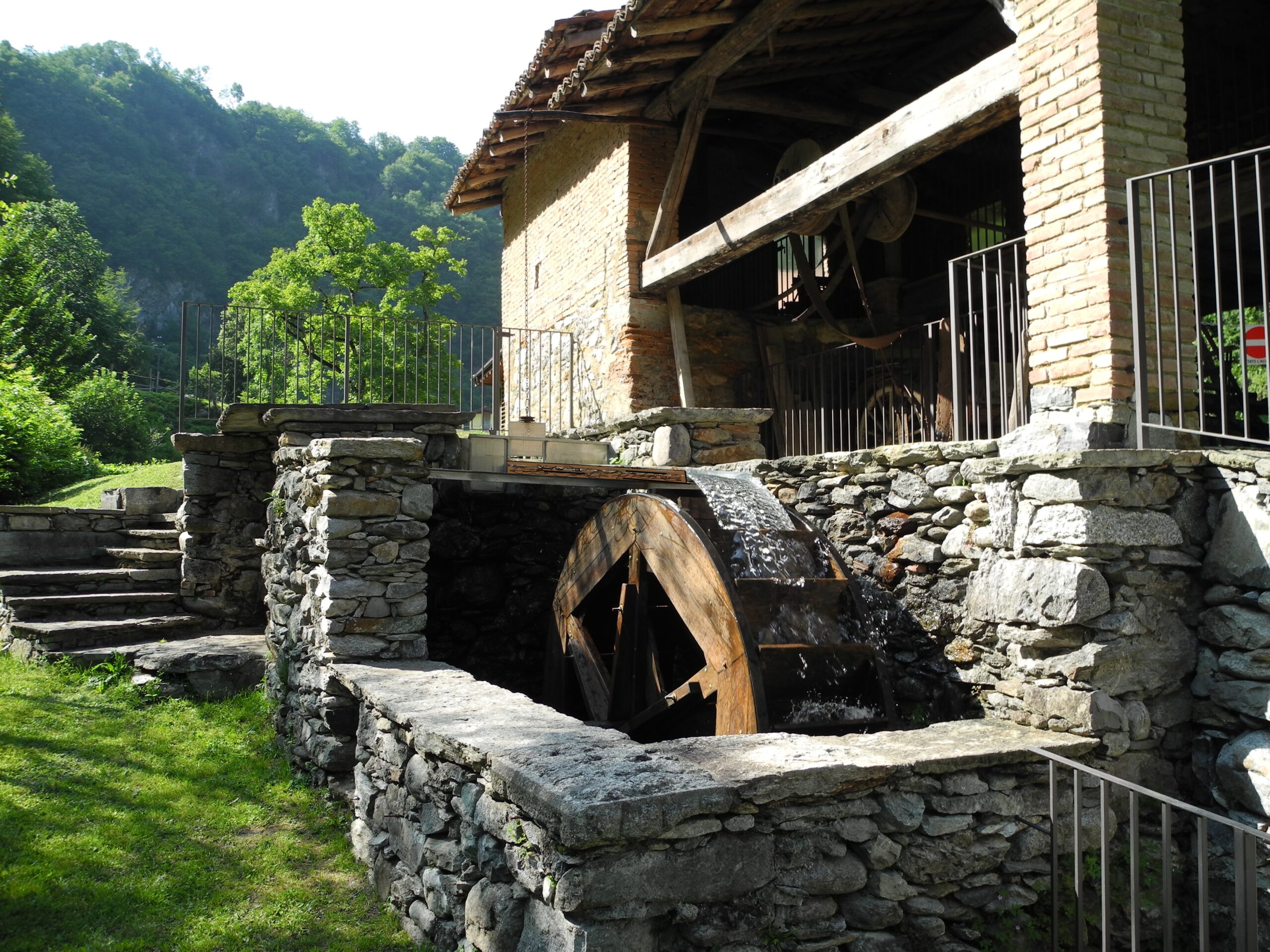
The wire was wound into spools threaded onto spindles and put into rotation. Indi was passed through wire guide, of the rings that supported the wire, until it wound onto spools placed horizontally. Changing the speed changed the number of twists.
Weaving
Weaving is the creation of a weave between horizontal and vertical threads (warp) and cross threads (weft). This operation was carried out with the use of a frame. The introduction of the patterned cloth loom in the West dates back to the 15th century, but it was already known in China. The most famous loom is the Jacquard, created in France in the early 19th century; this type of loom uses perforated boards to control the interweaving of the various warp and weft threads.
In the late nineteenth century weaving then underwent a further advancement with the creation of mechanical looms, which were fully automated.
Following weaving, the silk was subjected to further processing that improved its quality, such as the print and the finishing, operations designed to decorate and make the material more durable and glossy.