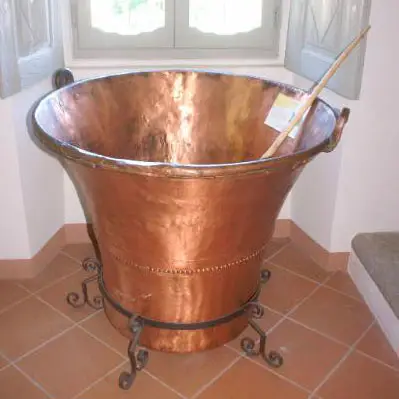
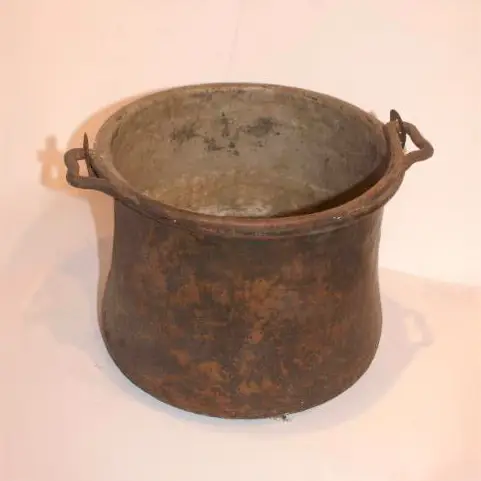
The activity took place in the lower Sanagra area where there was a'workshop run by the Airoldi family of Lecco. Artisanal in nature, the workshop employed at least a dozen workers and produced boilers for milk processing (culdere), cauldrons and copper vessels used by the dairy industry.
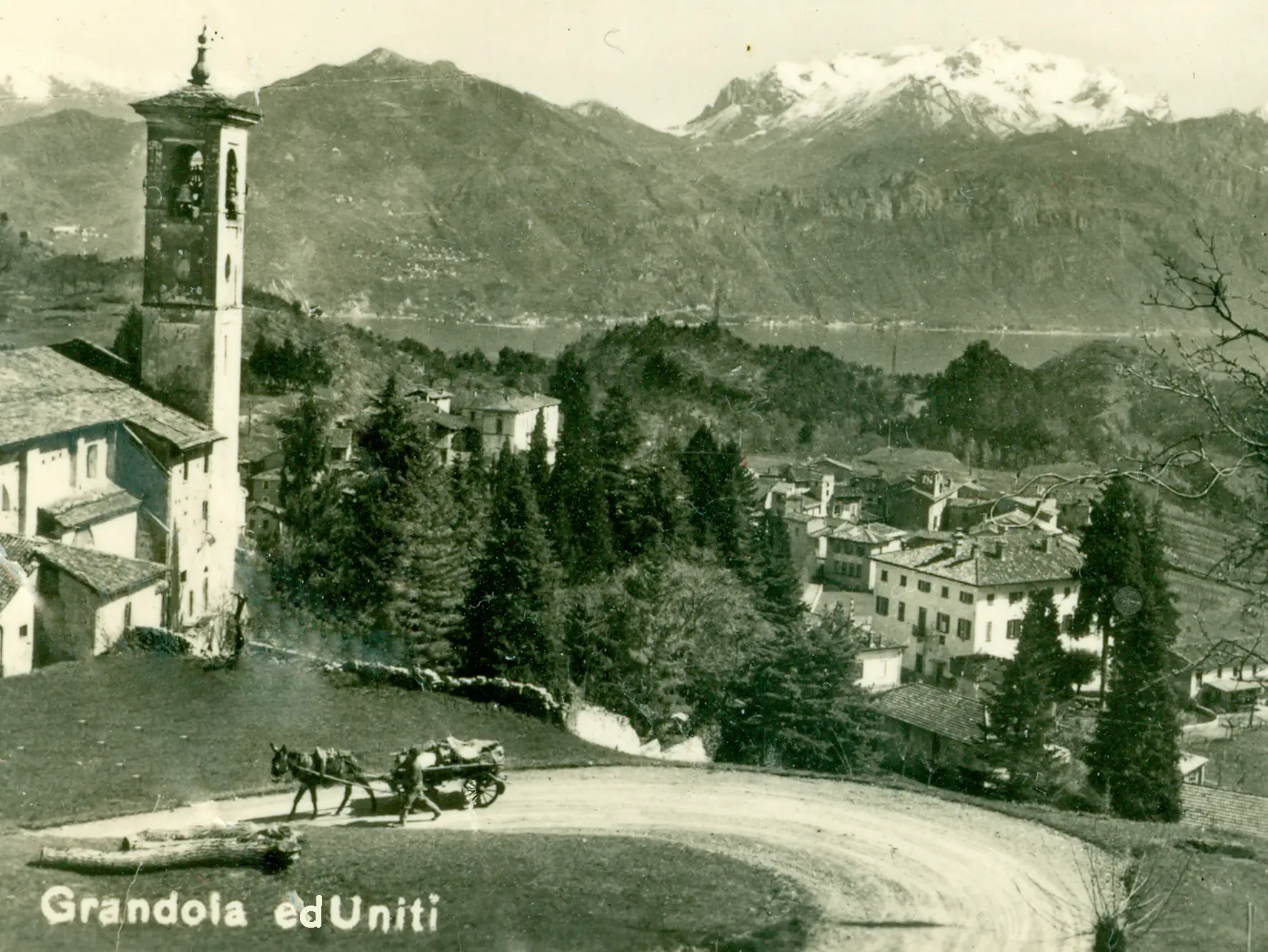
The copper came from the Menaggio wharf., and was transported to Grandola in the form of scrap in large horse-drawn wagons. The route was hard and complicated: the carter would leave every morning at dawn in the direction of Menaggio, where he would load the wagon. The route had some rather steep sections, and it was therefore necessary to add an additional tow horse. Upon reaching Cardano, the load had to be unloaded and loaded onto a smaller cart because of the small size of the mule track down to the workshop. The trip was repeated twice a day.
The work was strenuous: workers were exposed to high temperatures and loud noise, with a high risk of suffering even serious burns. The workers came mainly from neighboring towns, and when the workshop ceased operations for good, the workers moved to Valsassina where there were still a few such manufactories.
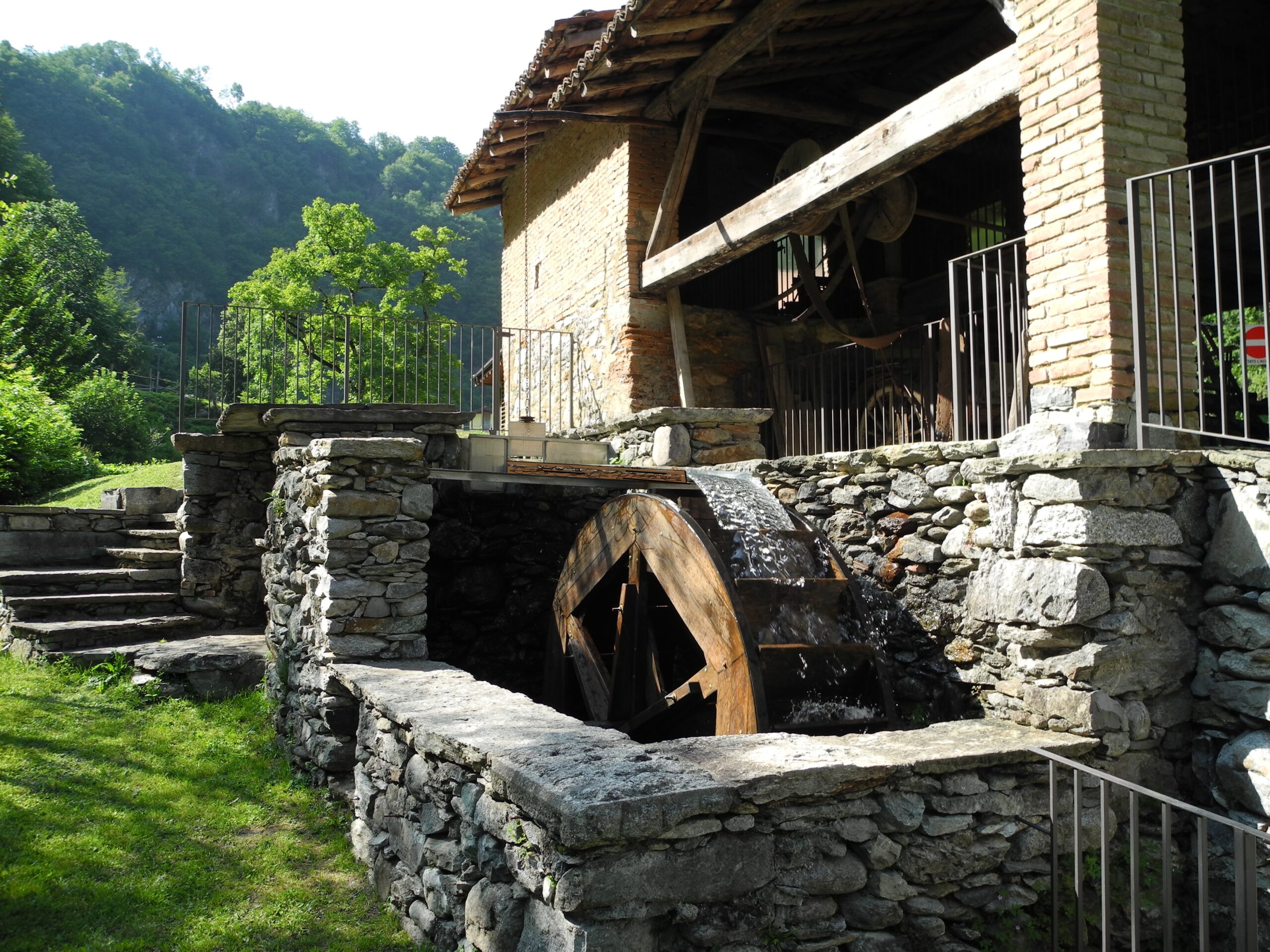
The mallet exploited the hydraulic force, like the many mills in the area: the wheel was essential to general the air current needed to ventilate the kiln. These were fed with wood collected in the area, or with coal produced by the many coal miners active in the Valley.