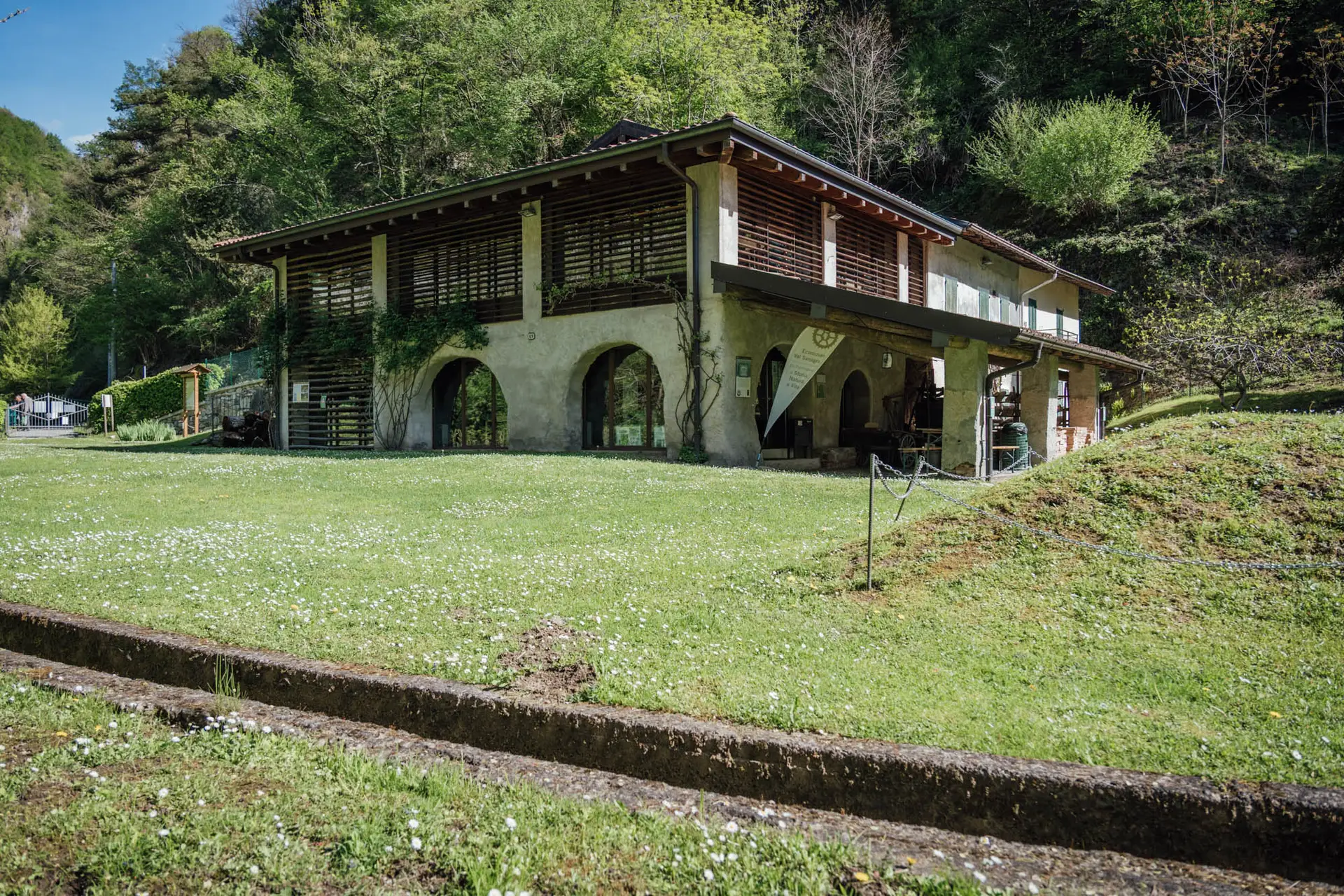
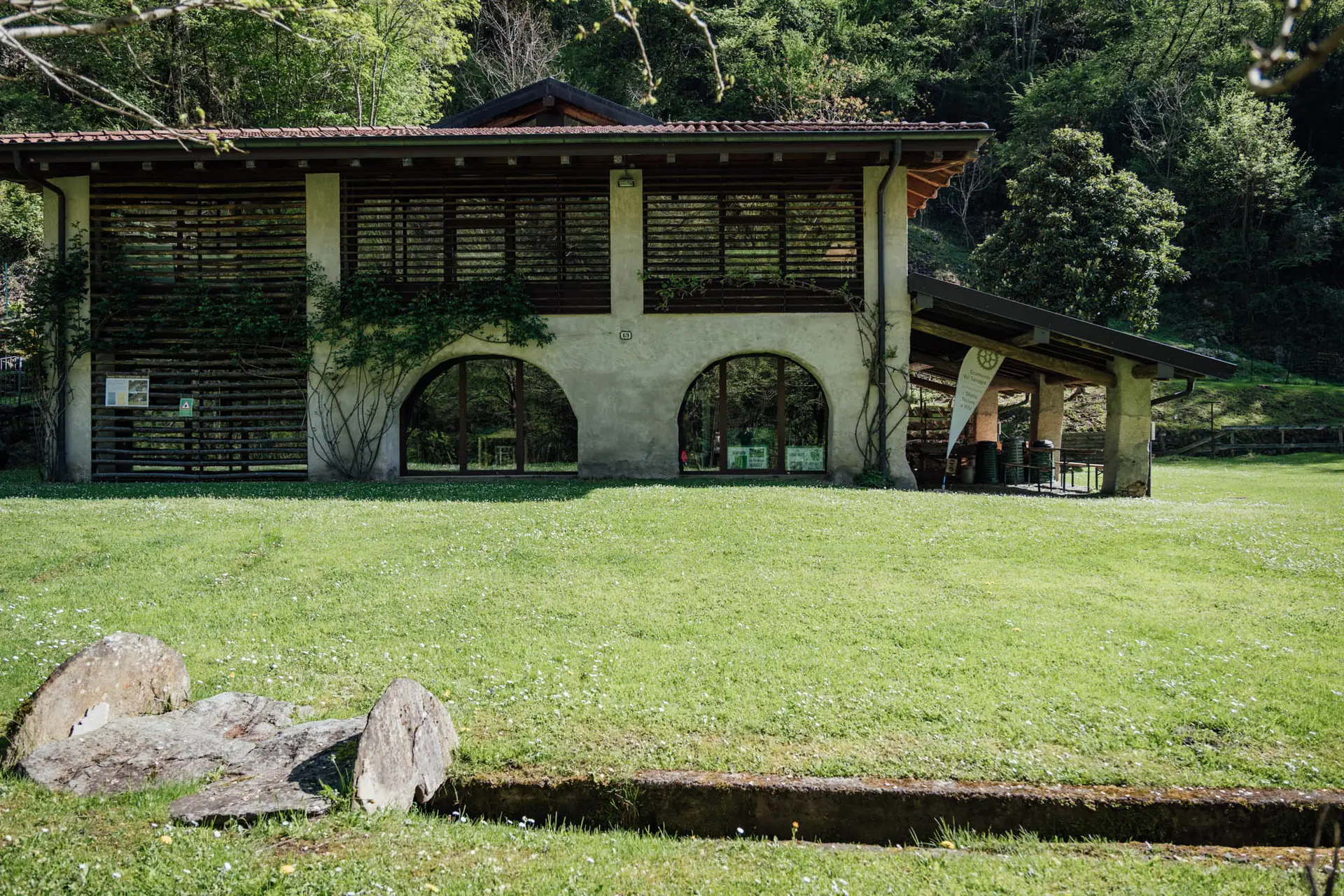
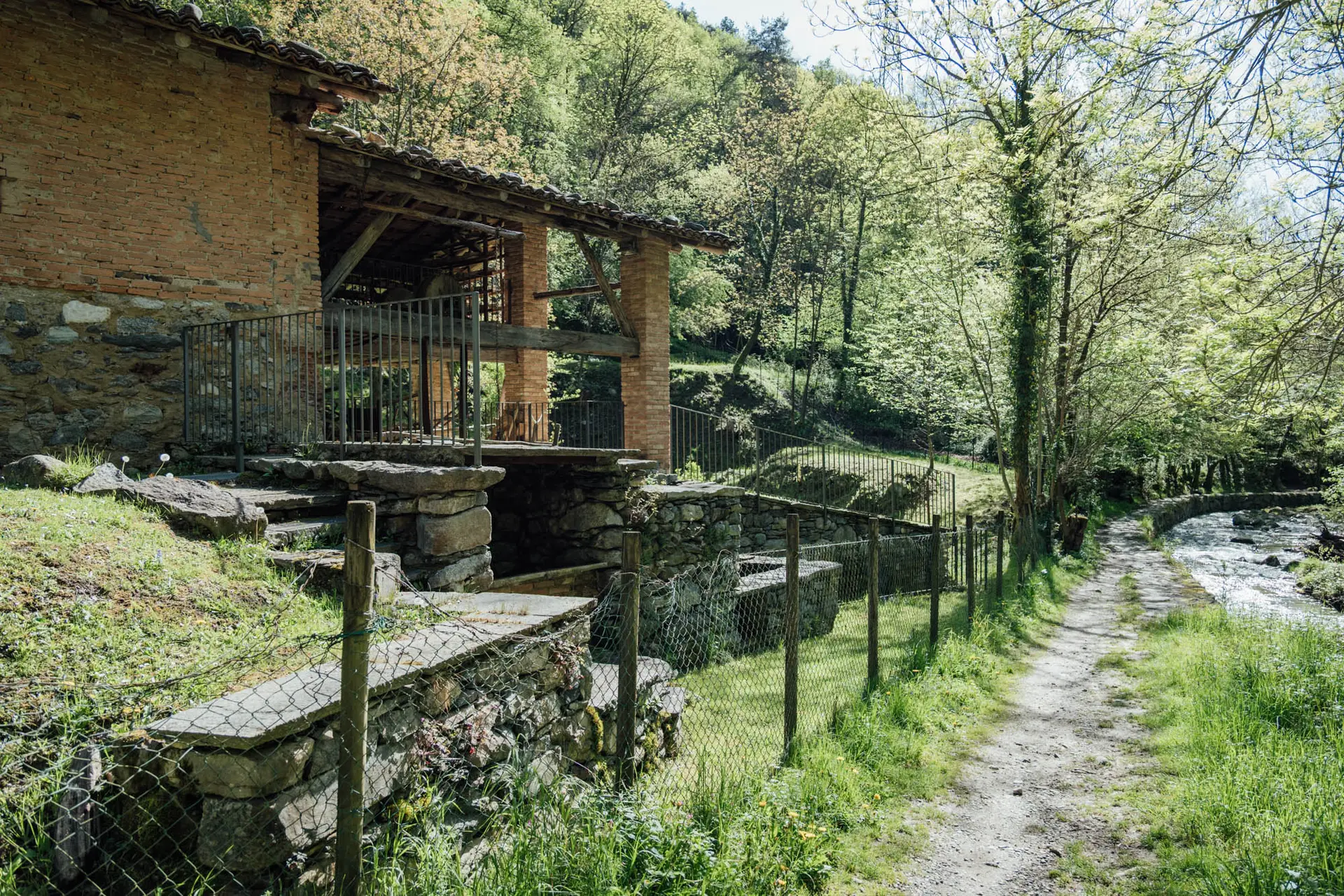
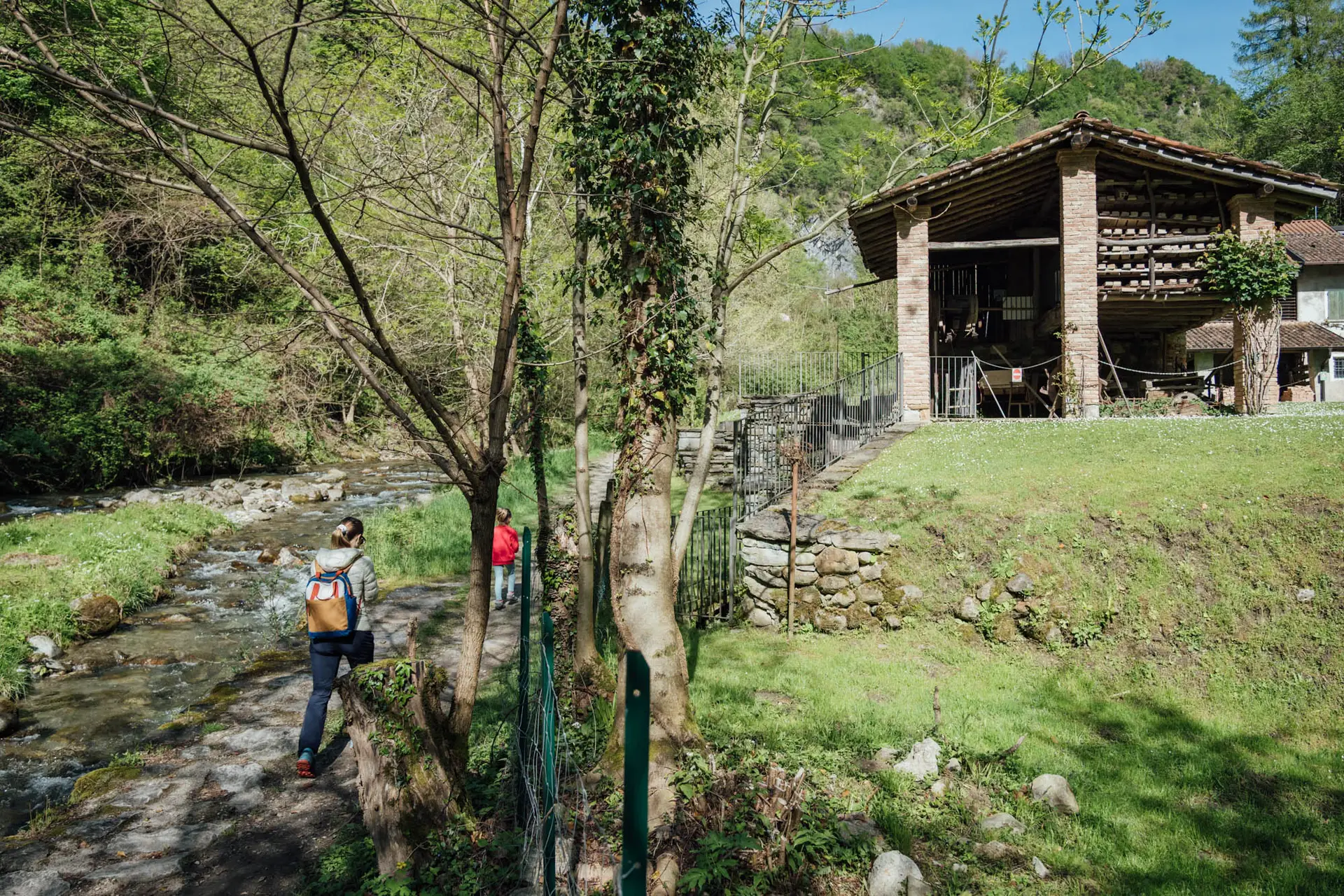
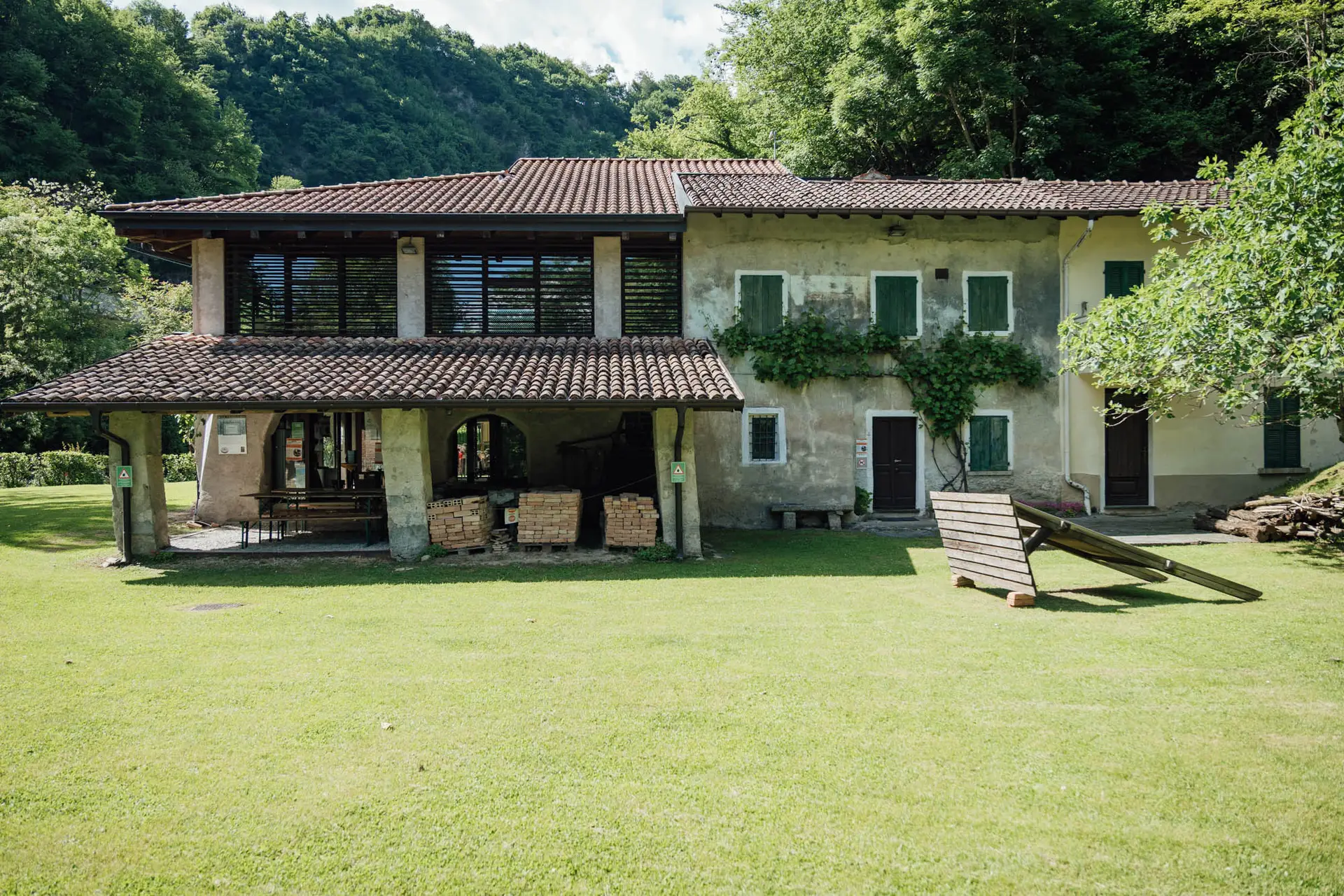
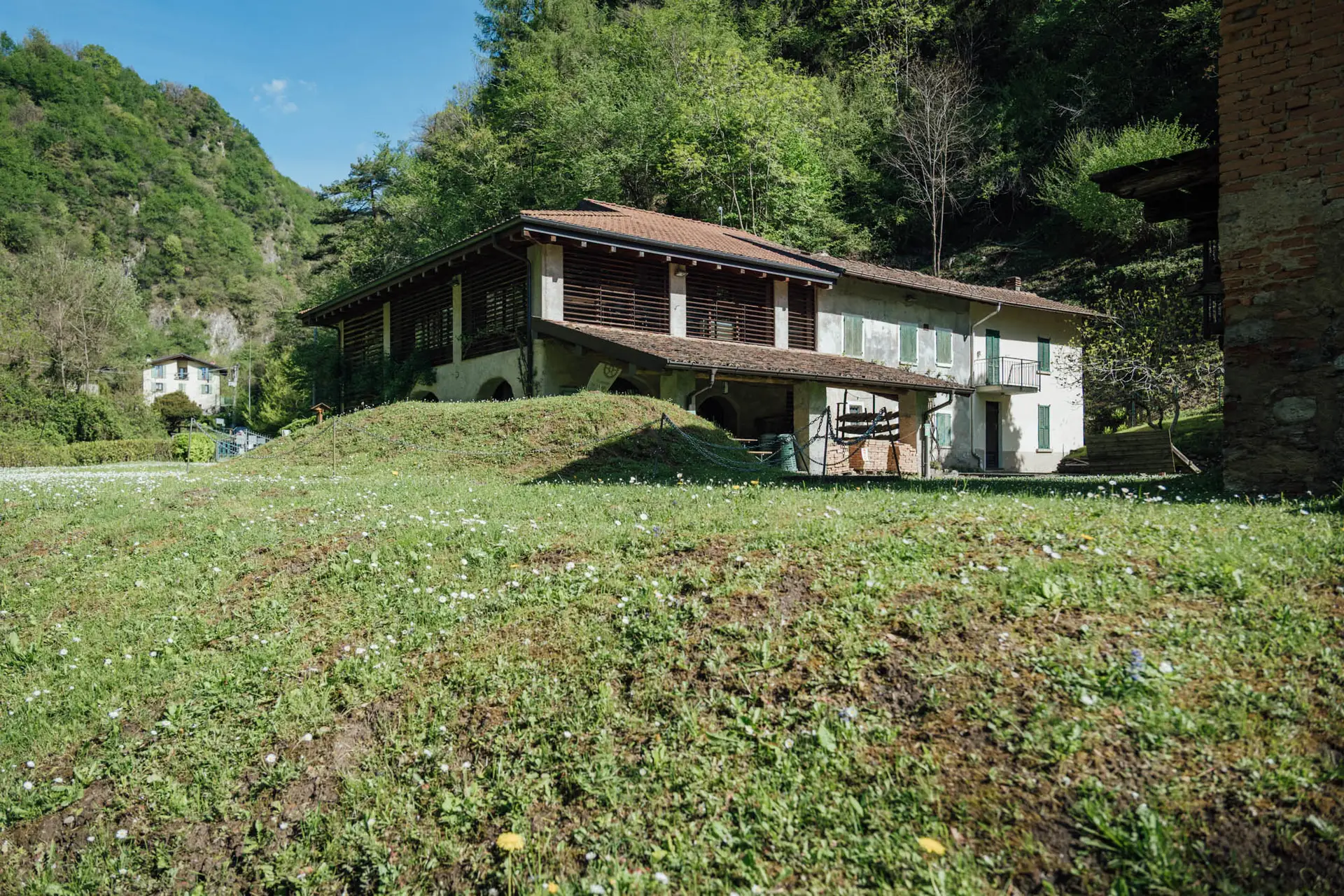
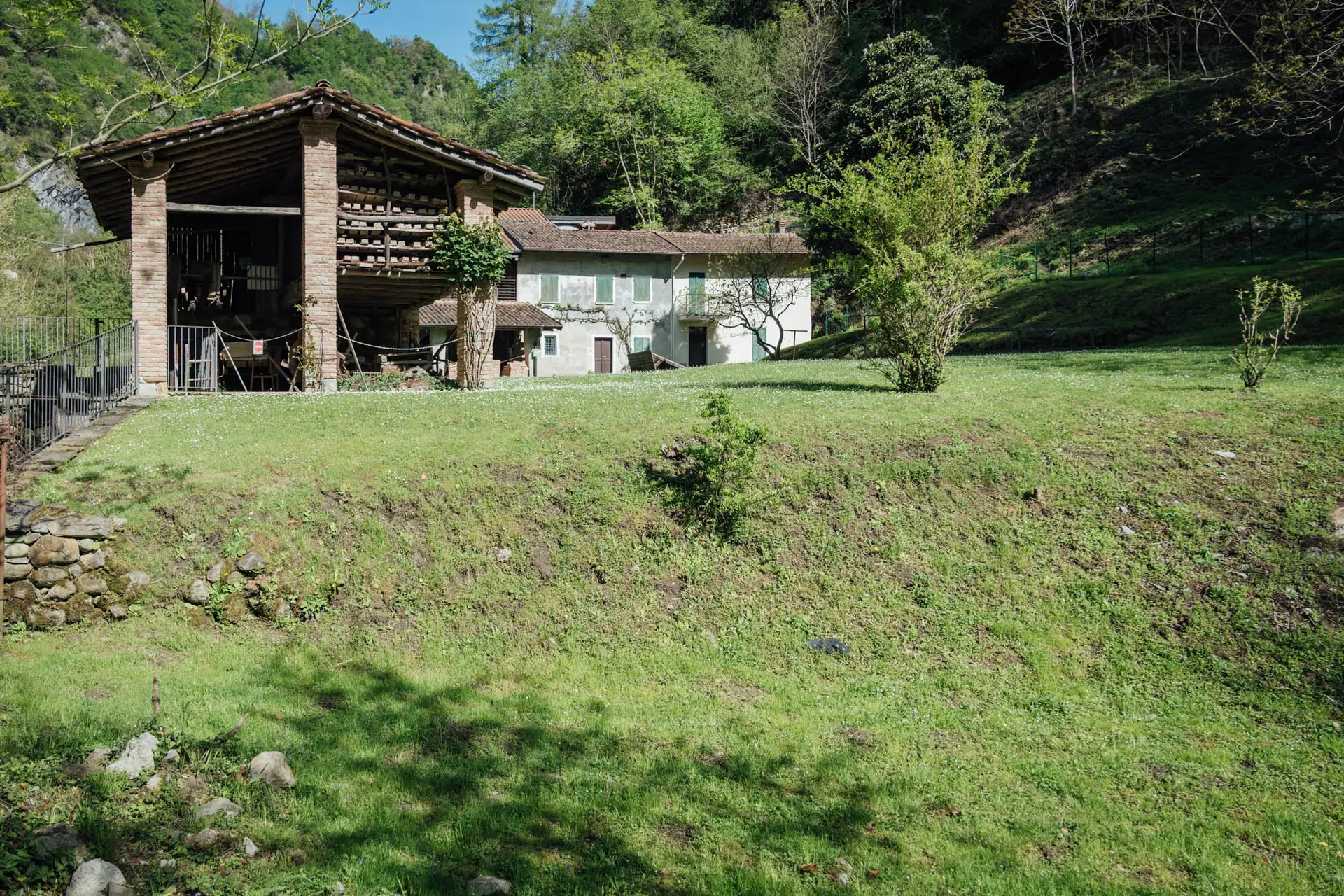
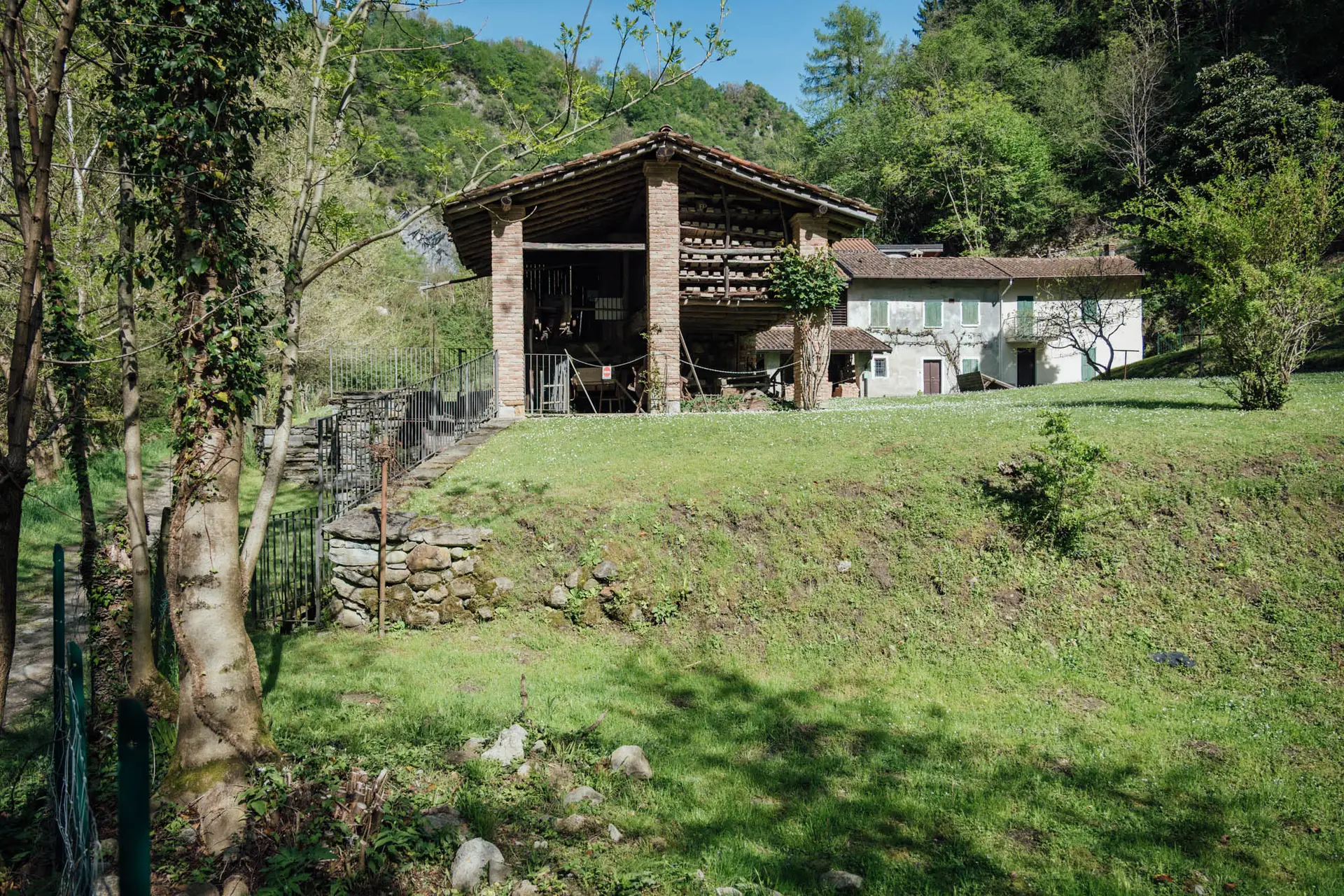
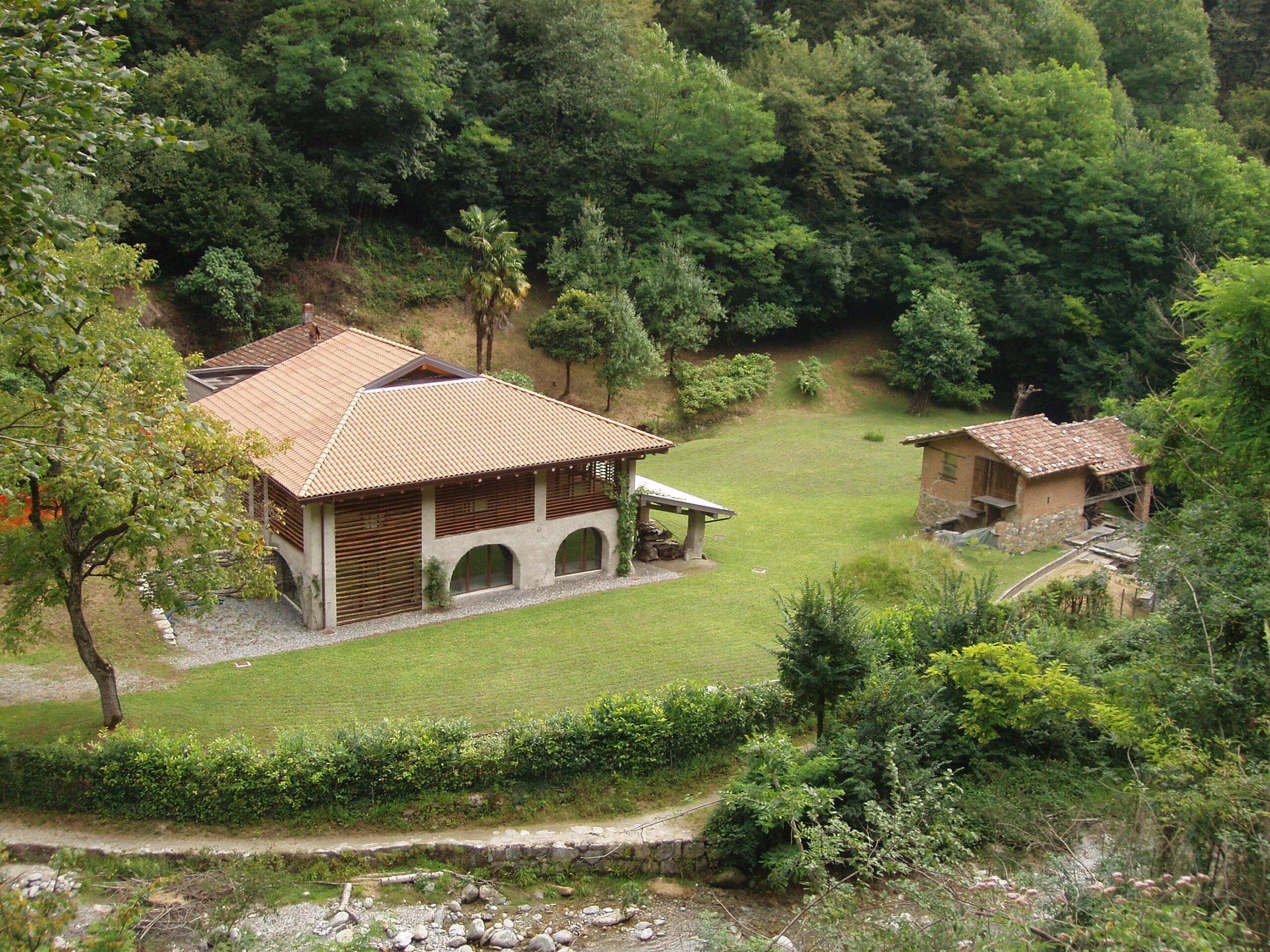
La Galli Furnace represents perhaps the most significant-and certainly the best preserved-example of pre-industrial archaeology in the Sanagra Valley.
After careful restoration, it has come back to life as a museum and educational space. By visiting it, you can get an up-close look at how an authentic brick factory of the late 19th century was organized, where clay was transformed into artifacts through fire, sweat and the skill of the kiln workers.
The Furnace is open to the public and can be visited with guided tours.
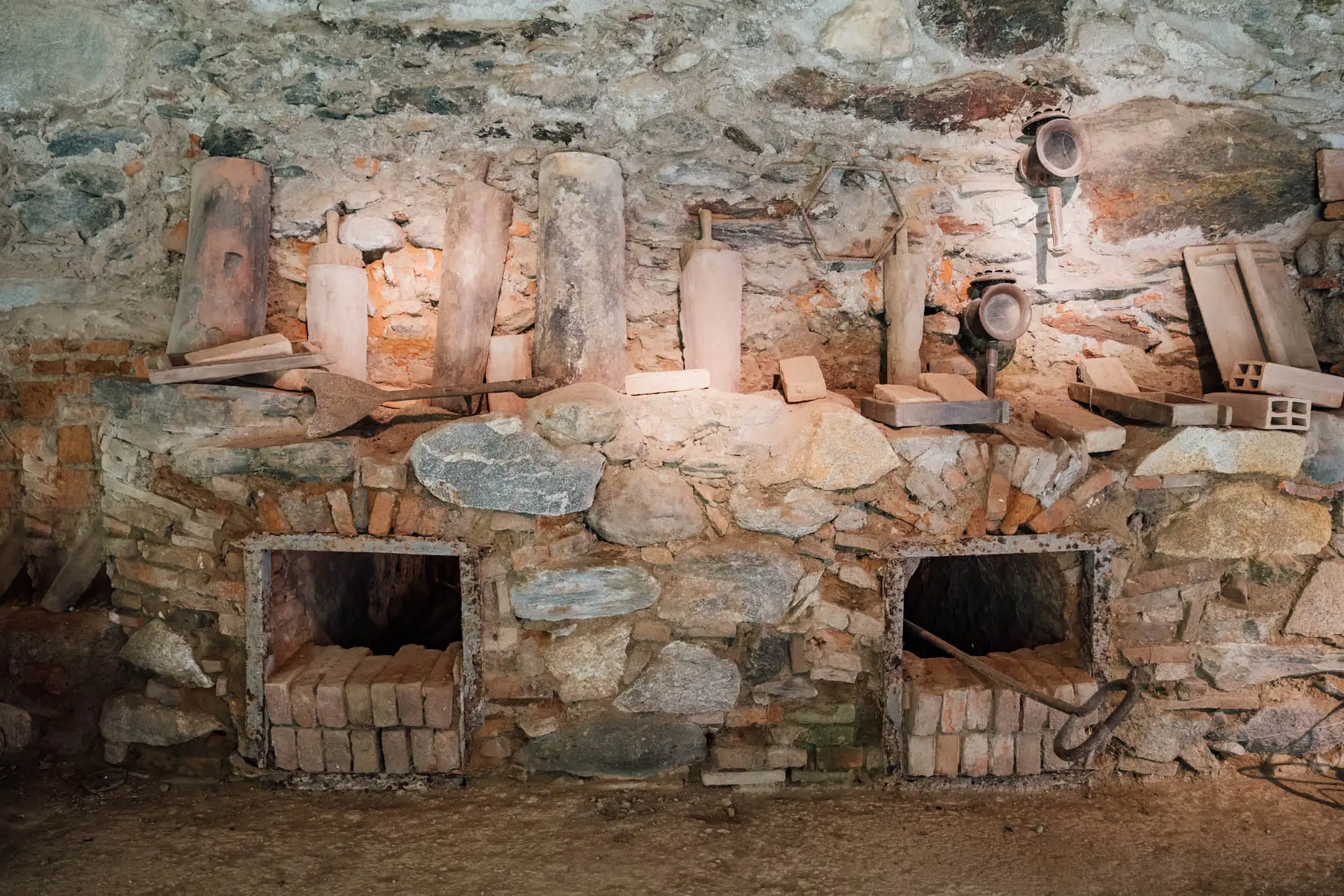
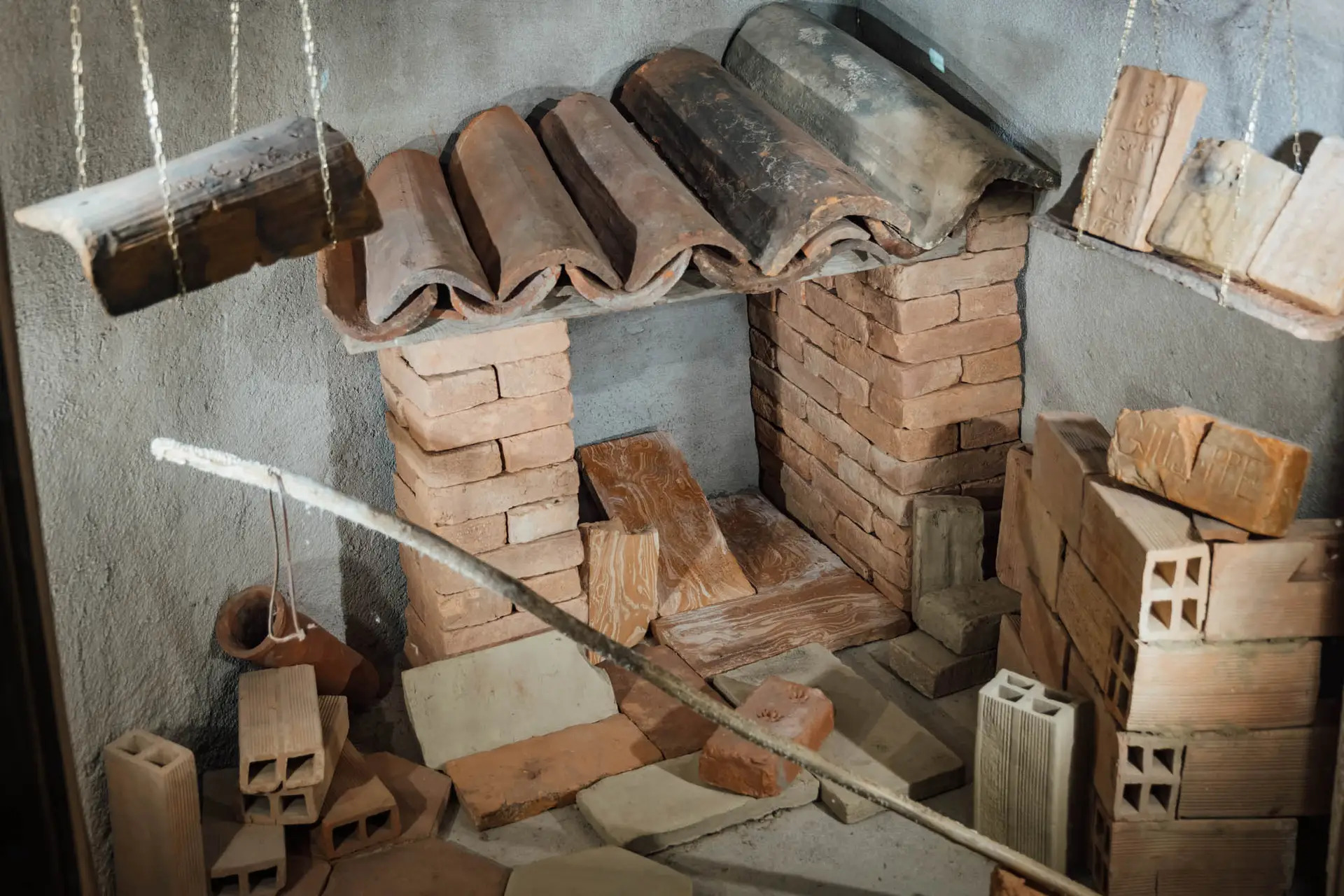
The main body still contains the original kiln, running on wood or coal, with the two lower channels where bundles were loaded for kindling. Panels illustrate how the bricks were stacked precisely and fired slowly, adjusting the heat not to exceed 1,000 degrees.
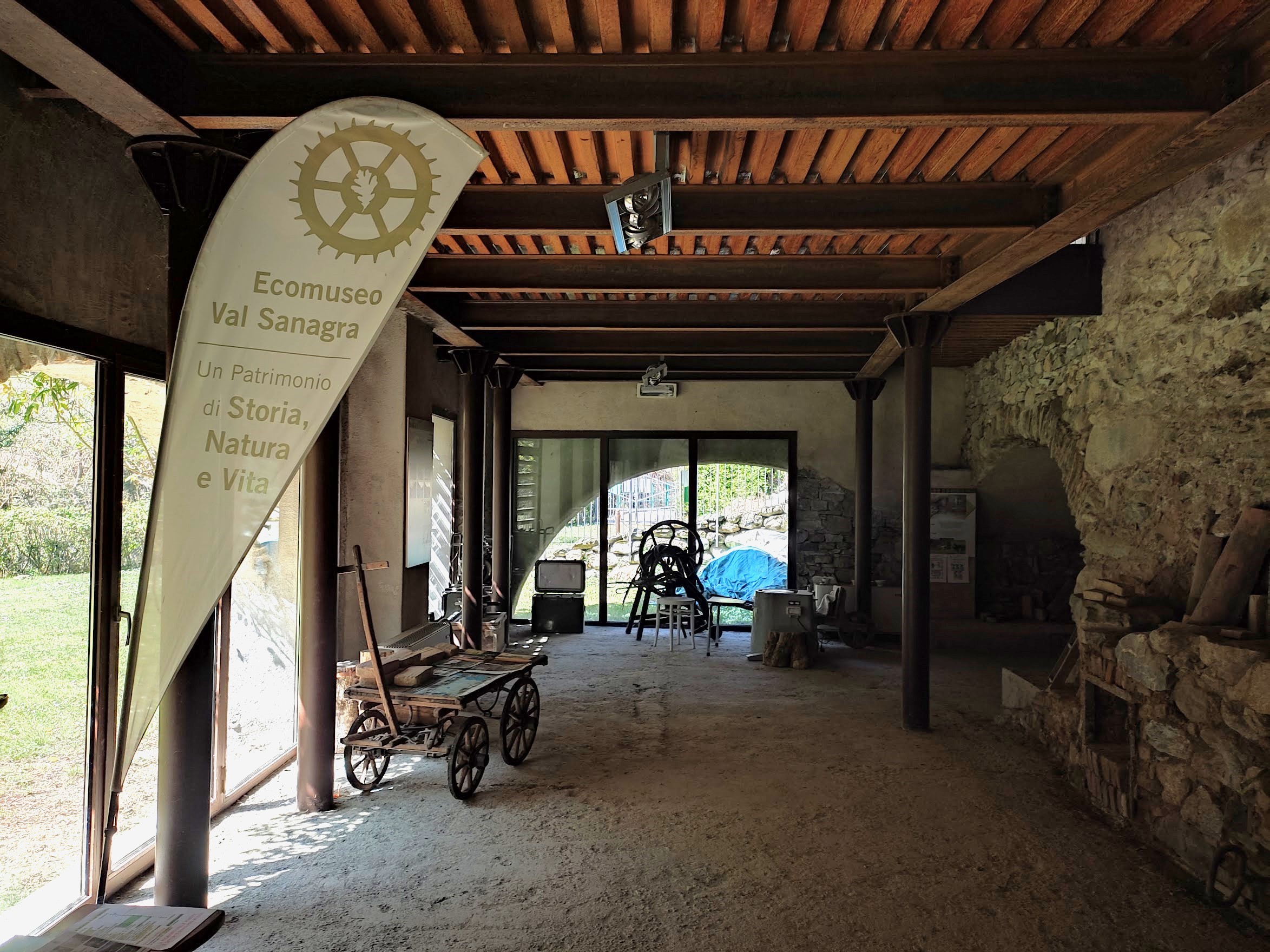
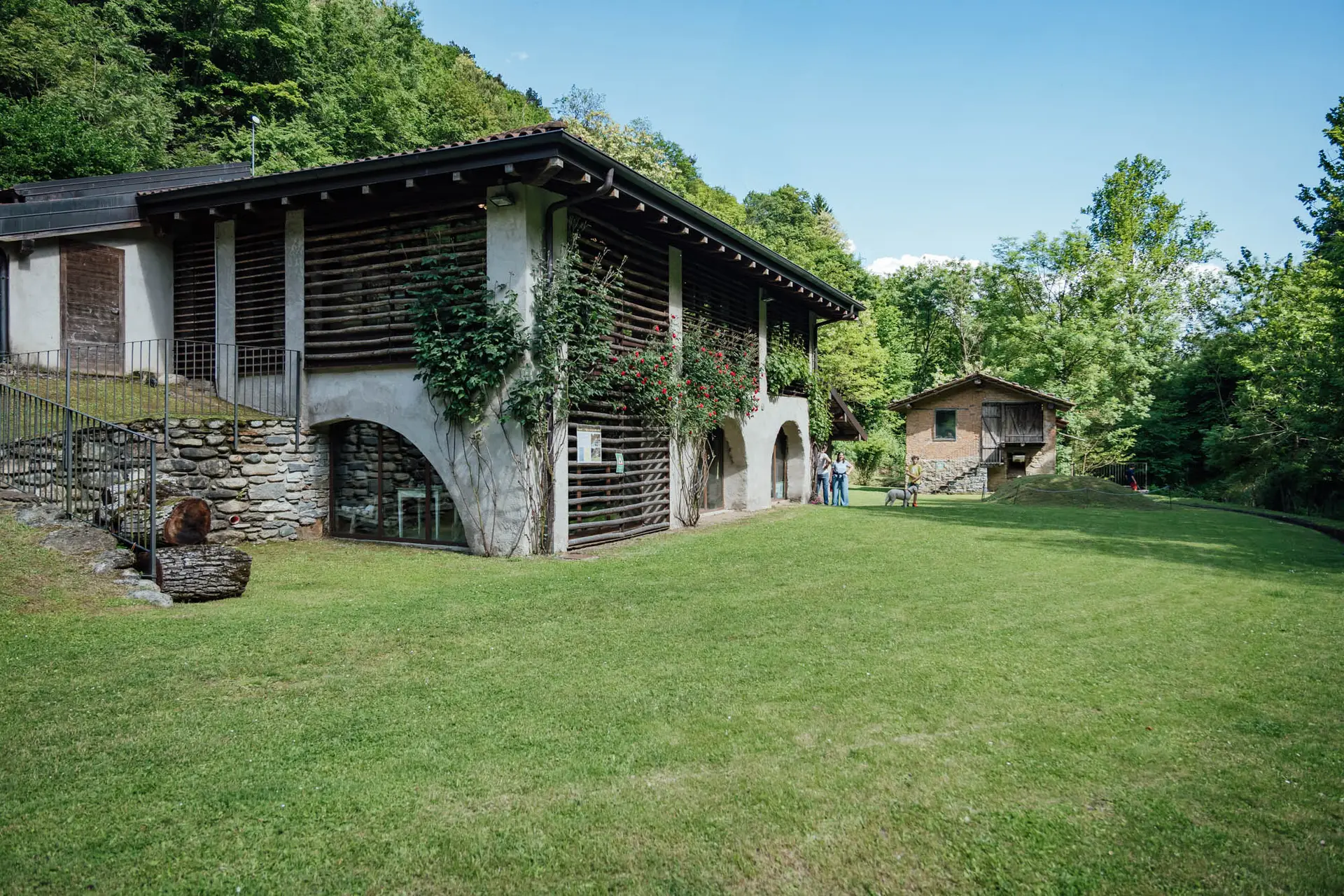
The two-level spaces now house exhibition sections and educational apparatus that tell the story of the kiln, the stages of its restoration, and its future as an educational center.
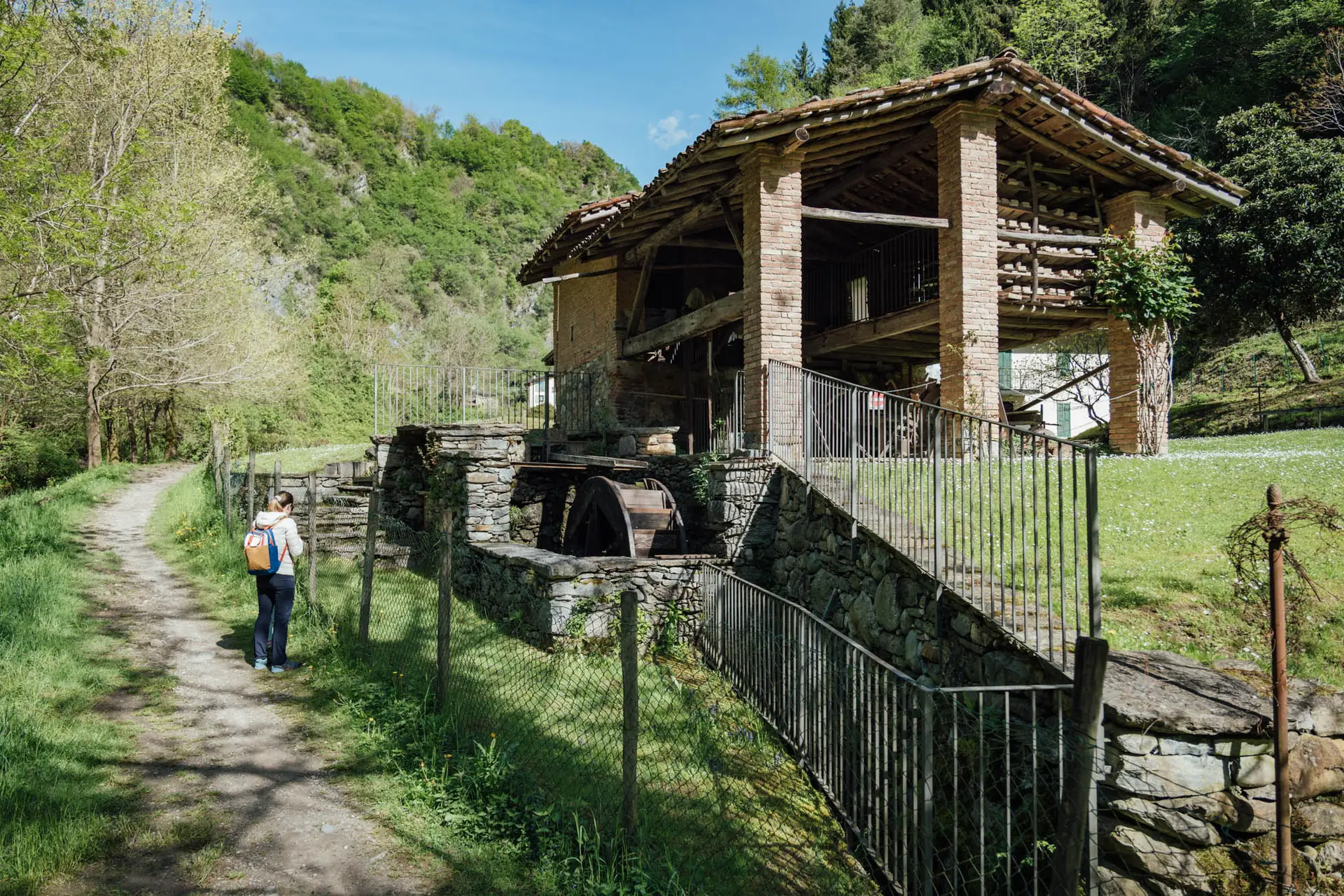
Next to the main building is the "machine room," a second building that has been conservatively restored and houses original tools, molds, processing tools, and the brick drying area.
Exploitation of natural resources has always been crucial for the valley's inhabitants, and the river current was the main source of energy.
The origins of the kiln date back to the seventeenth century, a period when village life revolved around the productive activity of mills. Initially owned by the Guaita family, in the early 19th century it passed first to Gilardi and Colombi, then to the Camozzi family, originally from Como. In 1846, Camozzi sold the mill to Giacomo Guaita, whose family maintained it for a few years. Later, in 1858, the complex was purchased by Francesco Selva, a resident of Menaggio but a landowner in Grandola. Finally, in 1875, the Fornace passed to a family from Val Colla, Switzerland: the Galli family, from which the present name is derived.
The kiln was an important production center, and bricks made in the Sanagra Valley were used for the construction of numerous buildings, both nearby and in more distant locations.
The production activity ceased relatively recently, a few years after the end of World War II, when the industrial development of the Peninsula-especially in nearby Brianza-fostered the emergence of numerous competitors with technical and logistical advantages that were difficult to overcome.
No results available
Association “Storia Natura e Vita”
Piazza Camozzi, 2
22010 Grandola ed Uniti (CO) – Italy
VAT ID: IT 03290790132
Tax ID: 93007310134
[email protected]
Project implemented with the support of the PR FESR 2021-2027 of the Lombardy Region, Bando Innovacultura
Questo sito web è stato progettato tenendo conto delle linee guida WCAG 2.1 - level AA
Click the profile that best represents you and we will record your choice.