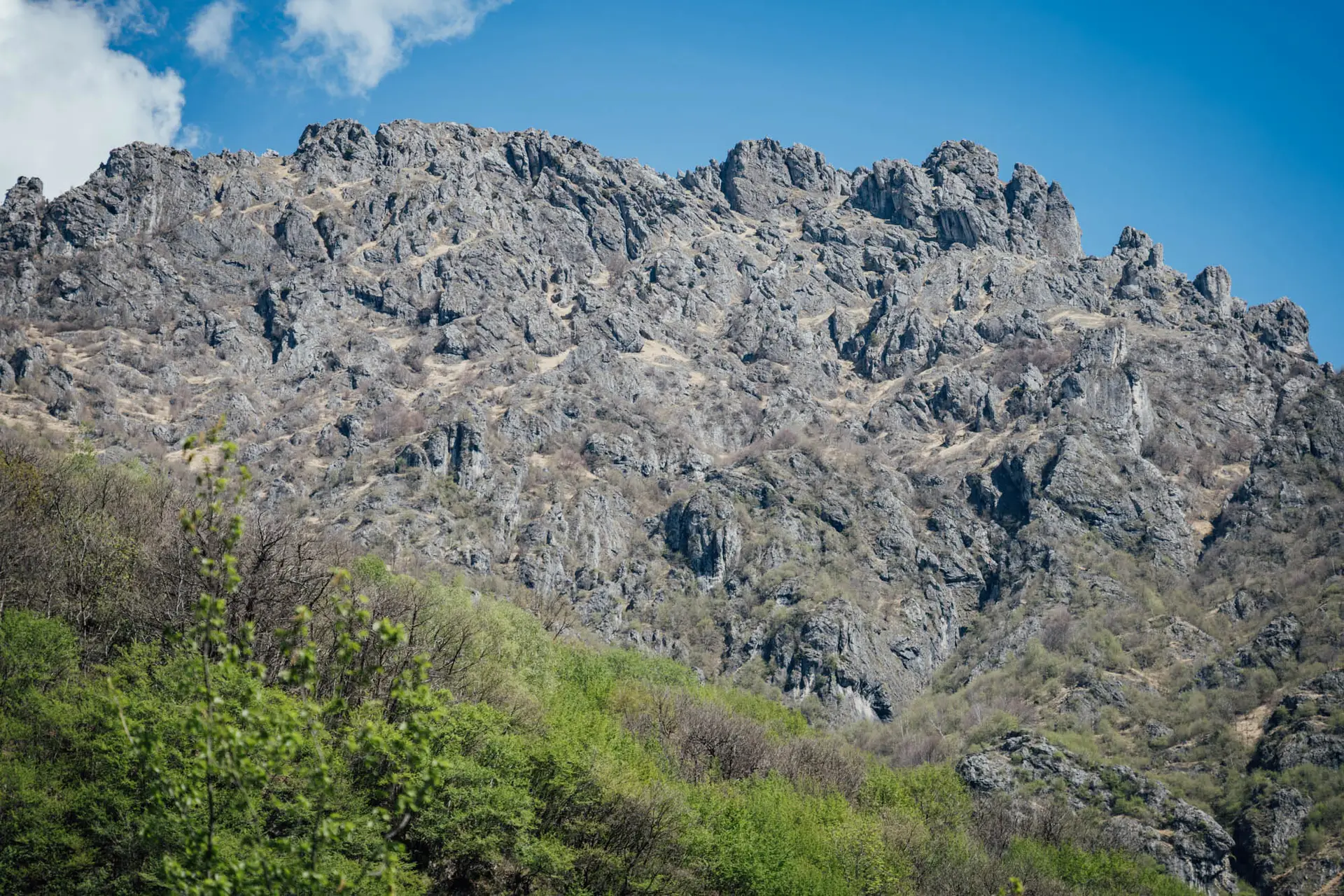
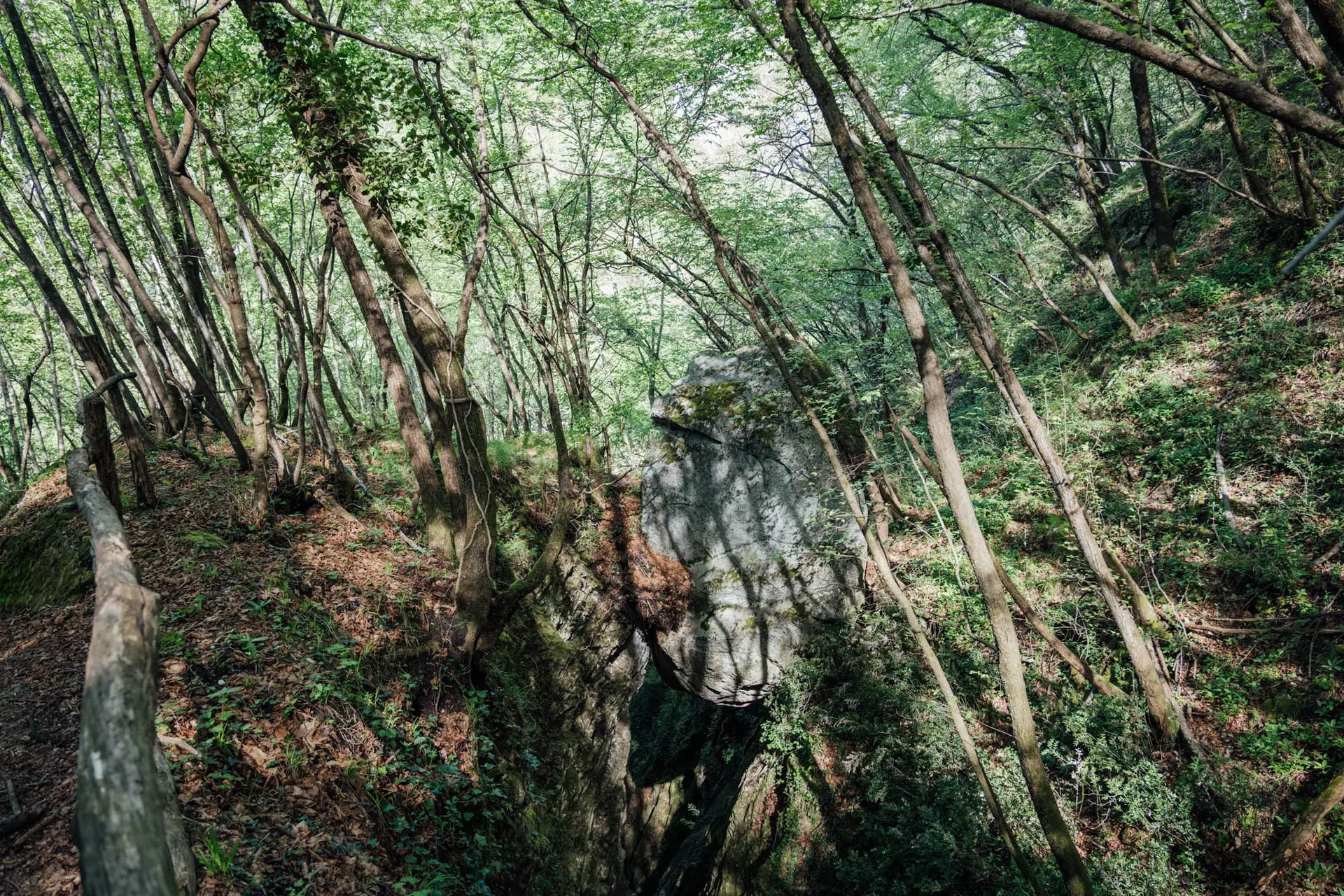
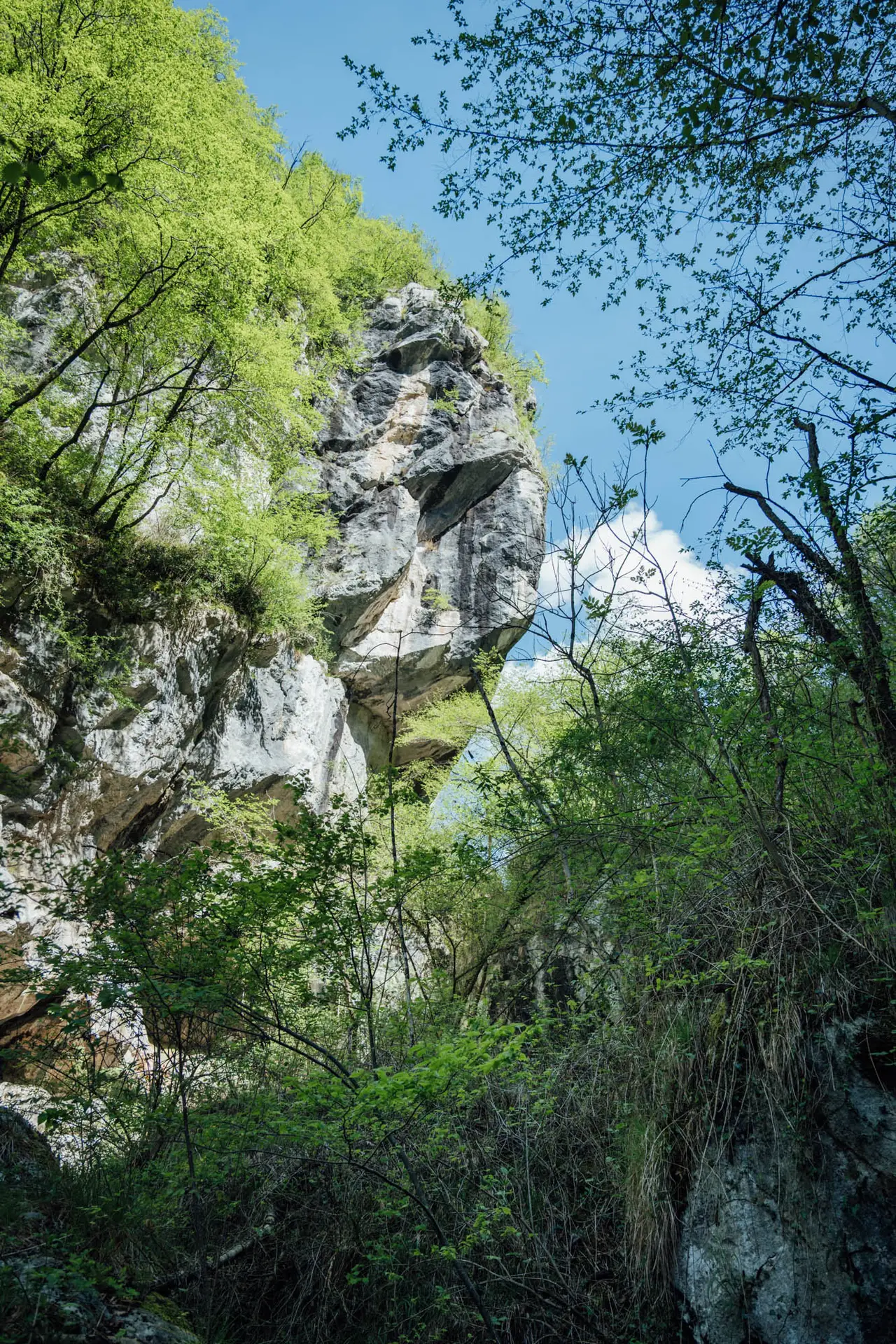
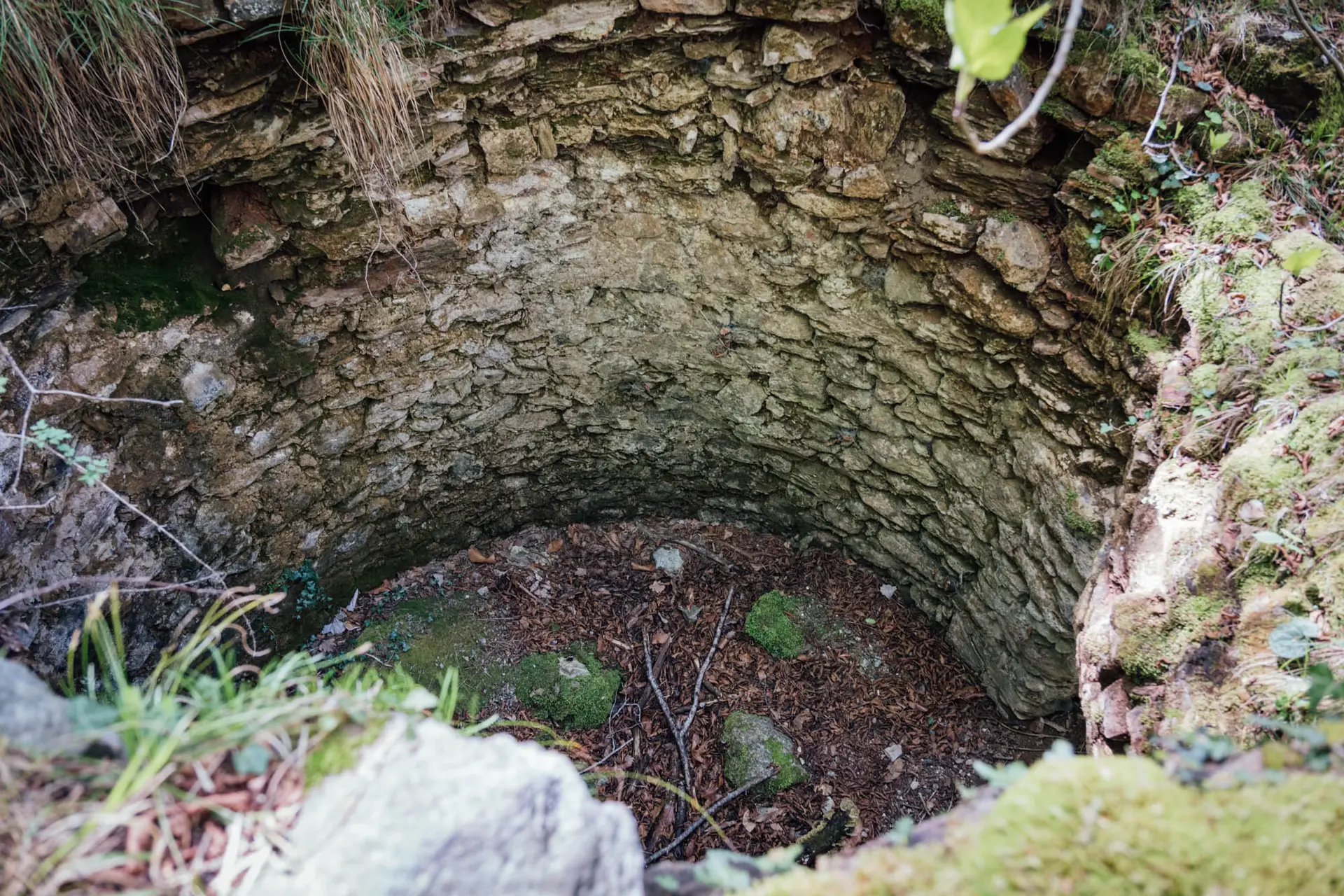
On the prealpine slope of the Sanagra Valley, along the Grona Line, there are outcrops of dolomite and other limestone-rich rocks, which have favored the development of lime production in the area.
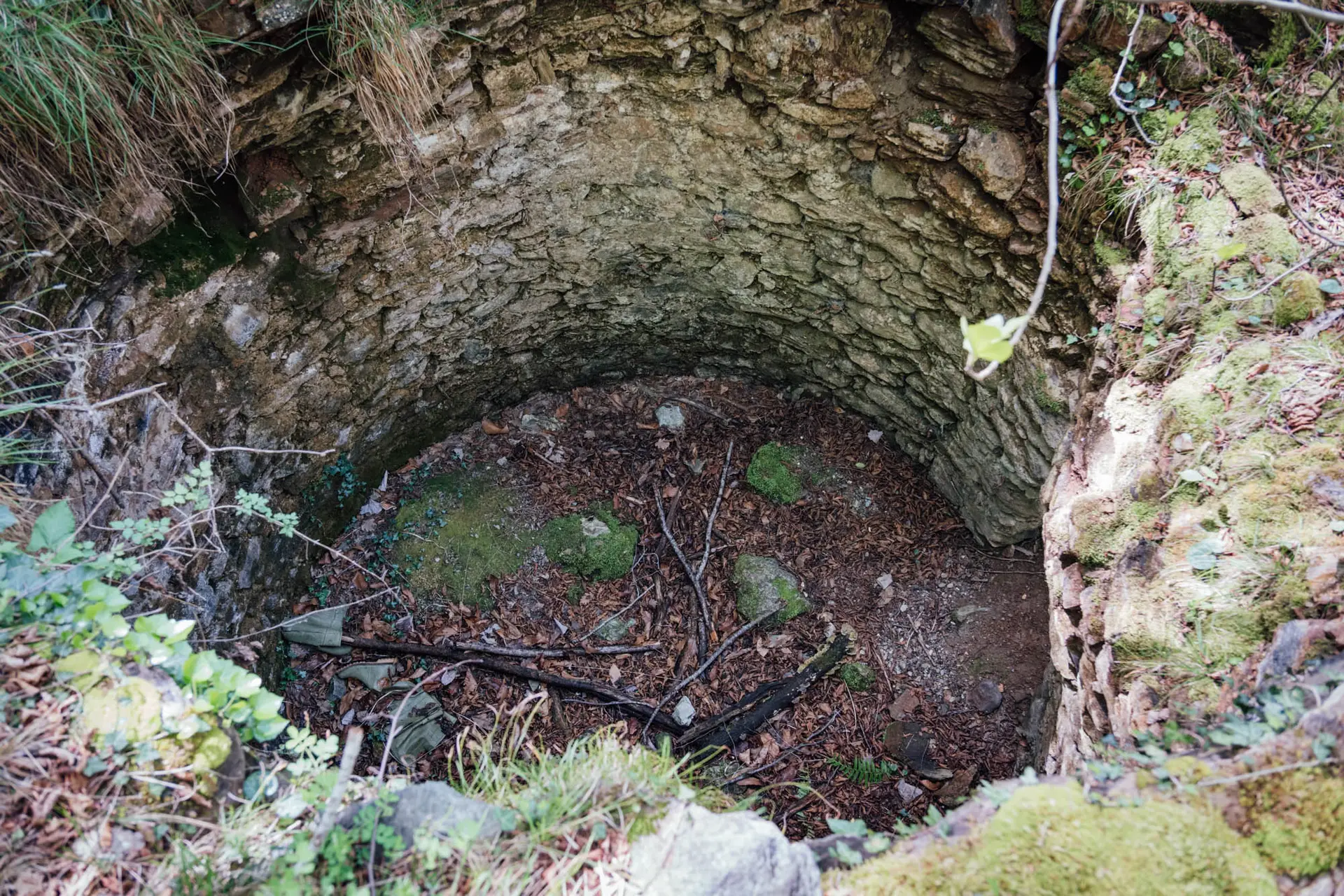
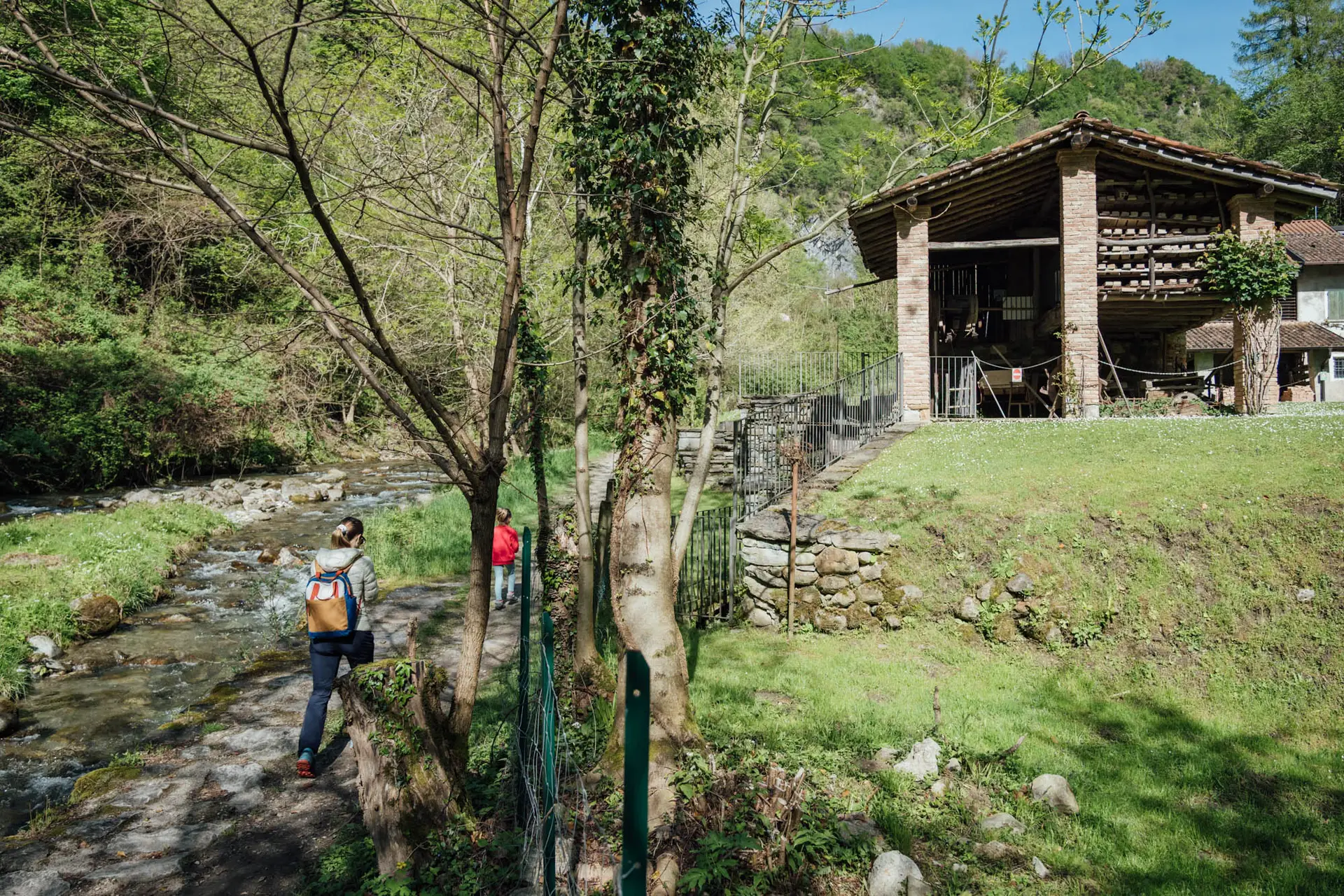
Production took place through casts, large furnaces of considerable height built using crystalline rocks called schist, typical of the northern parts of the Sanagra route. The presence of a river was crucial for these rudimentary factories, as was the abundance of fuel: coal was produced from beech, fir, and hornbeam wood. The environment of the area was therefore particularly suitable for lime production, due to the availability of all these natural elements.
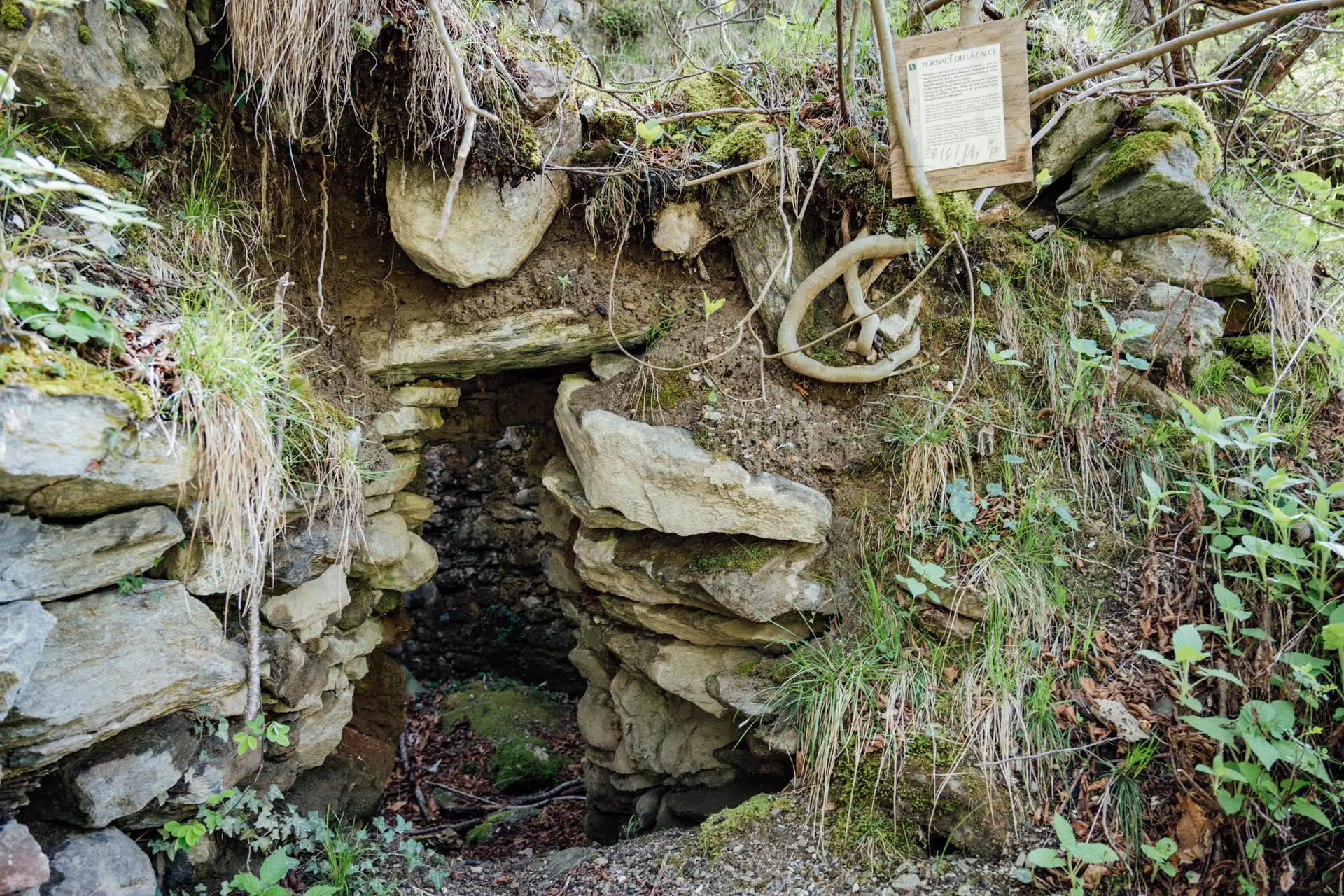
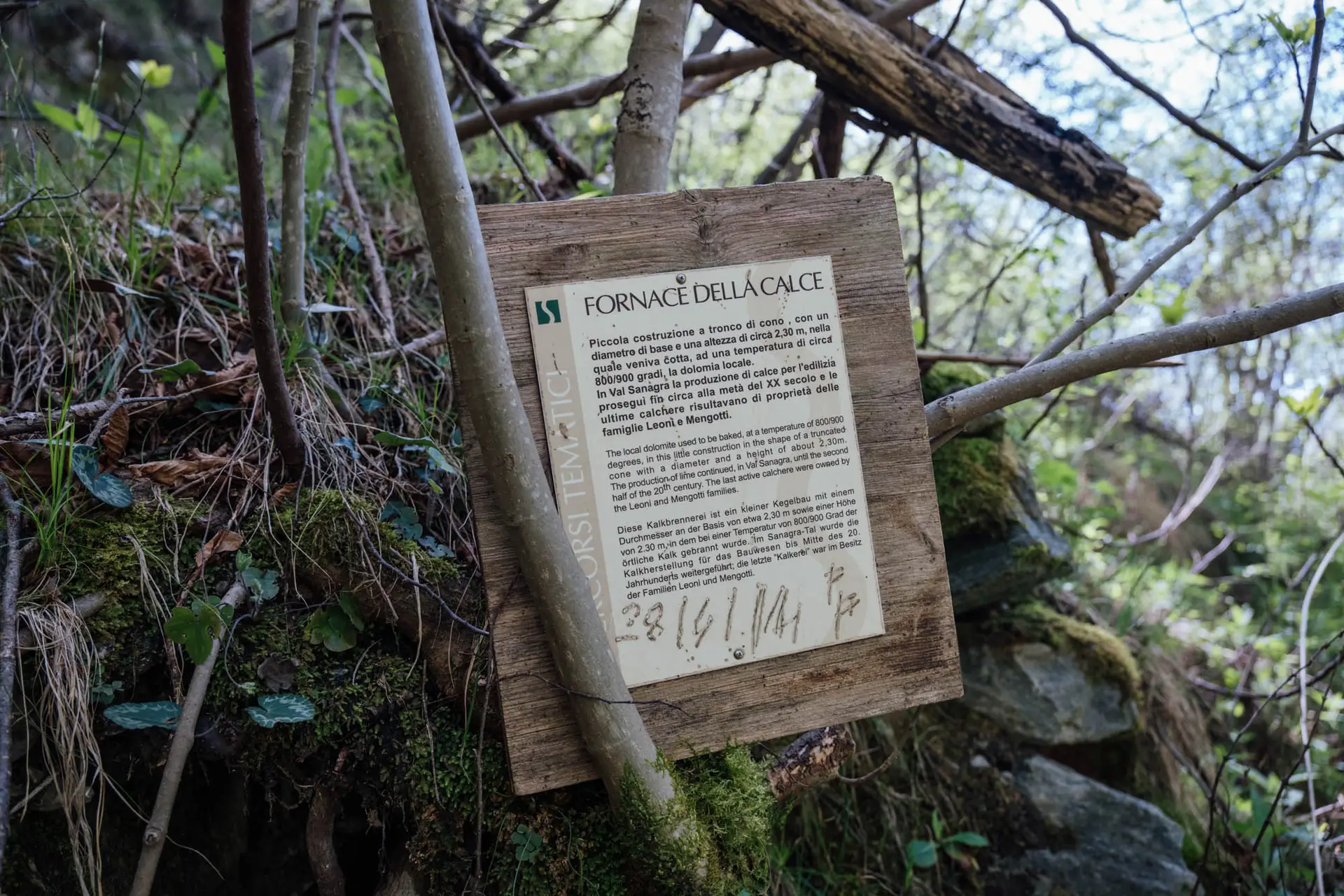
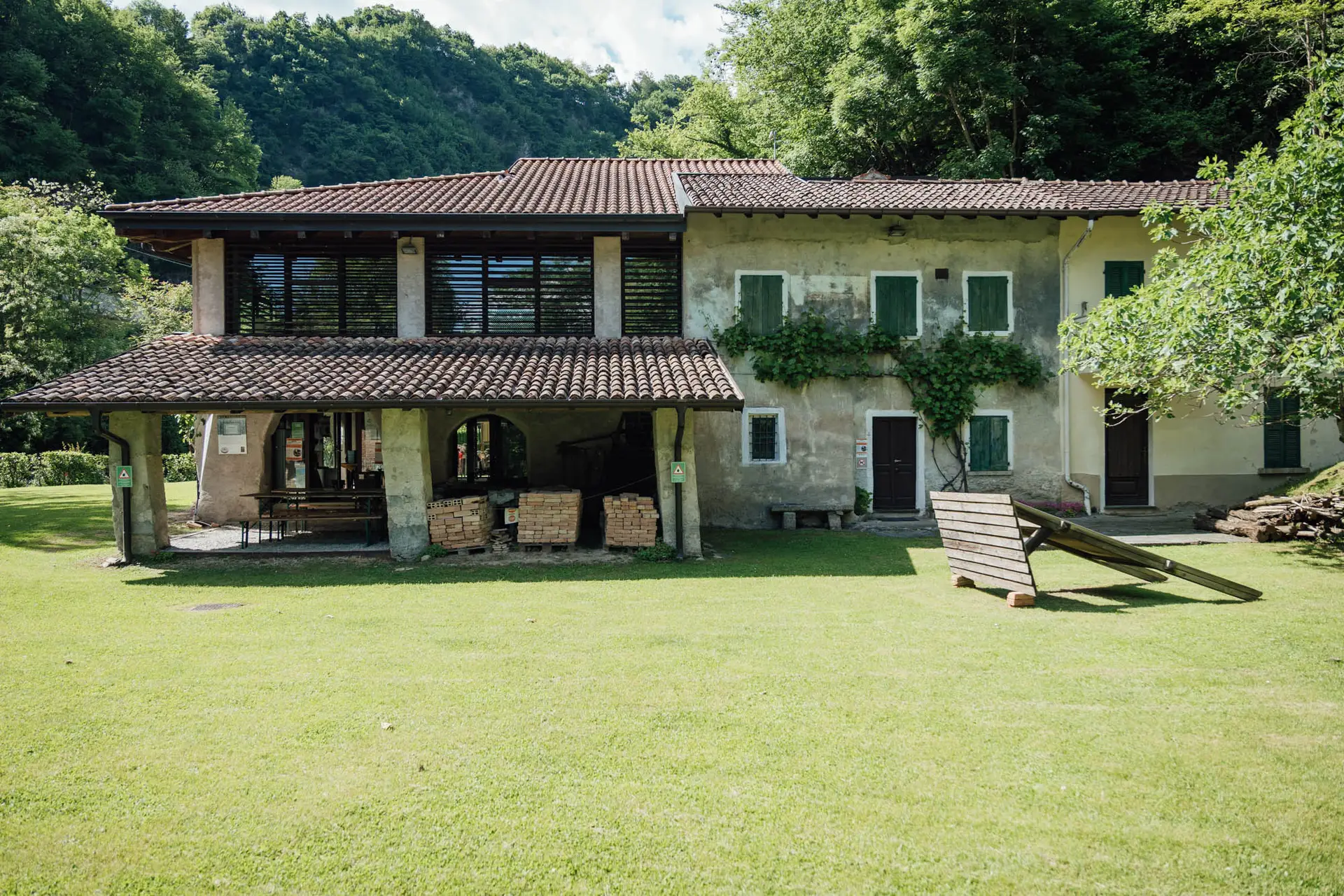
The Sanagra Valley's limestones were owned by the Leoni and Mengotti families and remained in operation until a few decades ago. To date, the Ecomuseum has identified. fourteen casts, but it is not ruled out that more may be discovered.
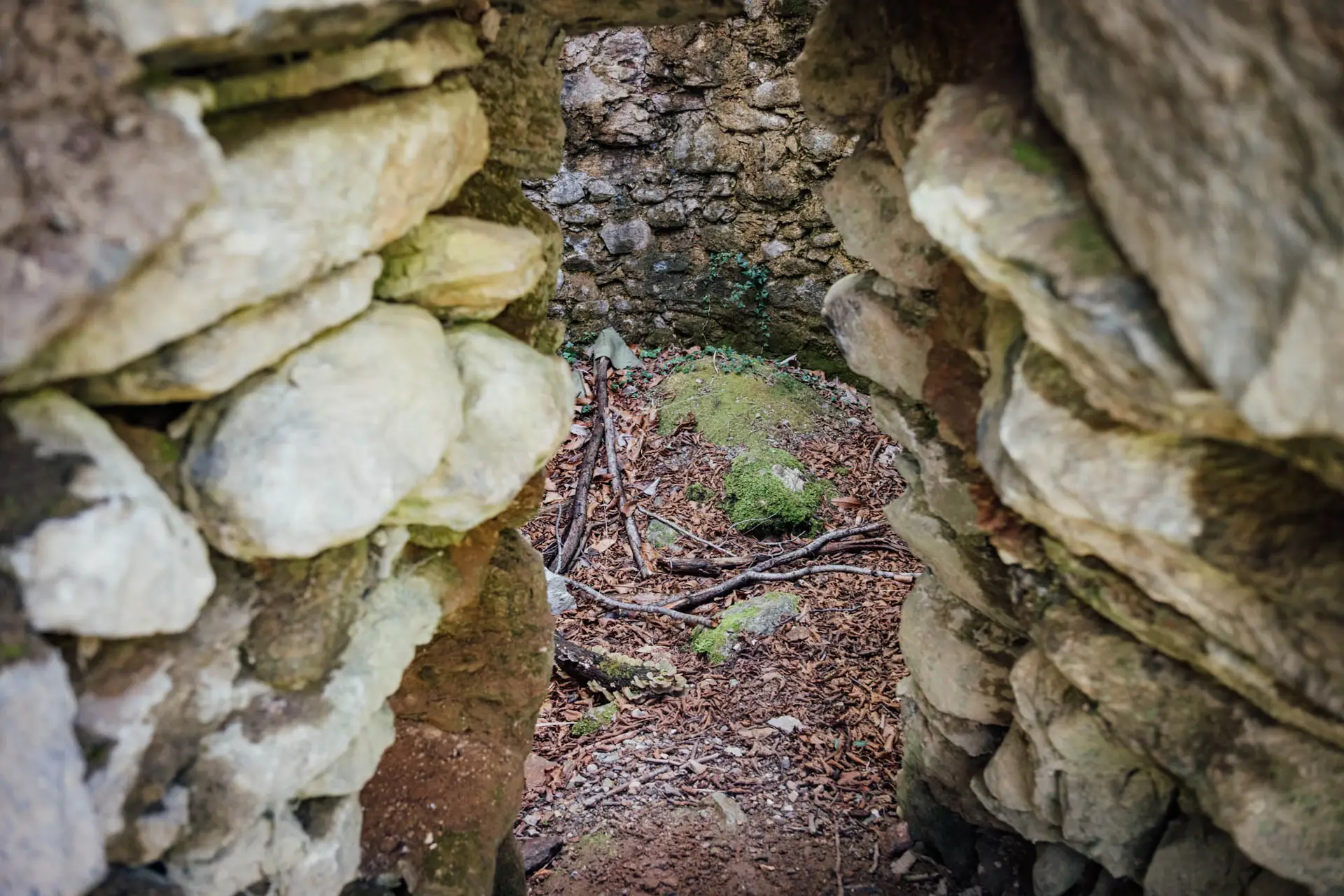
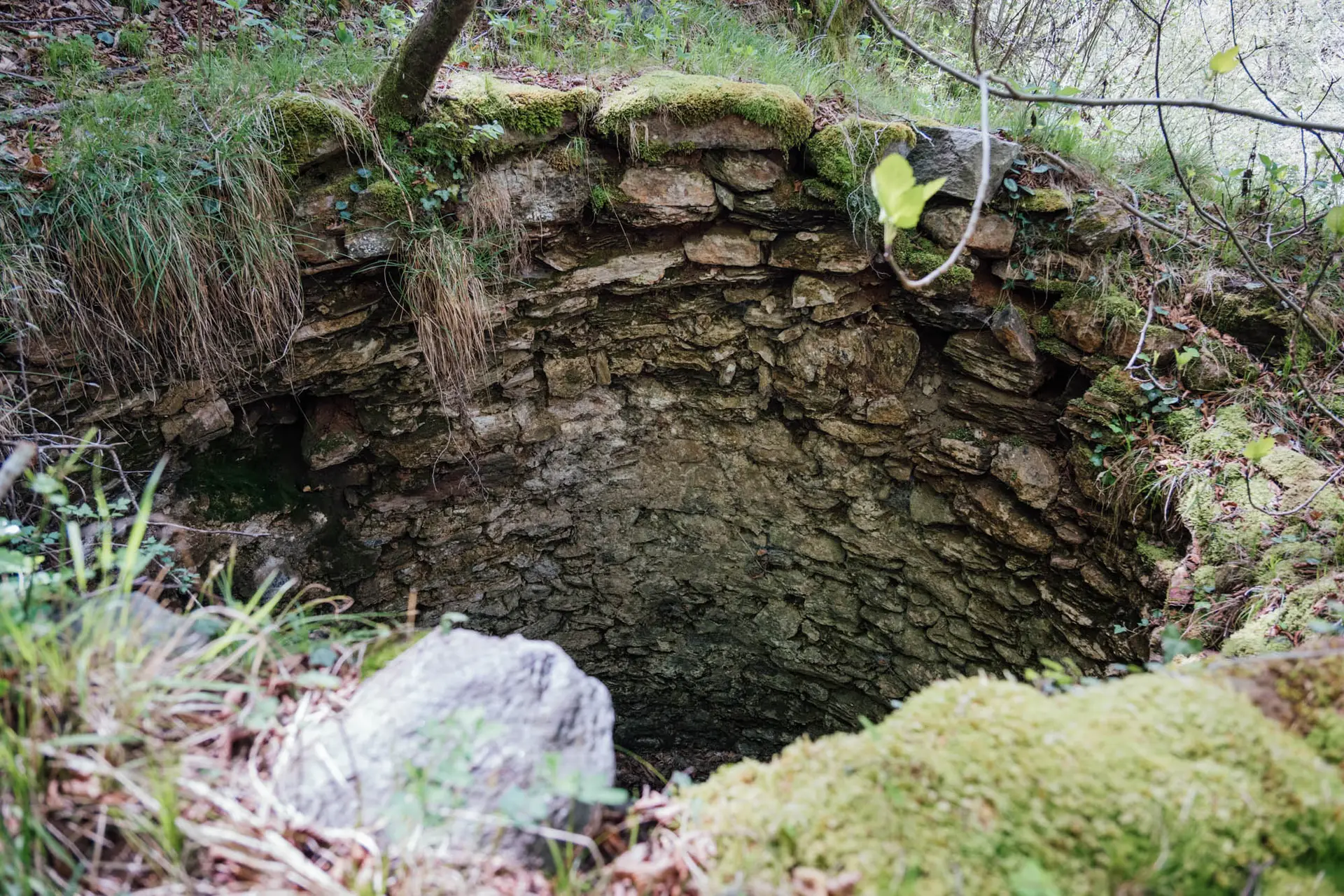
Each calchera has a barrel shape, with two large openings: one at the base, with a door used for the recovery of lime and the insertion of raw limestone, and a chimney at the top. The size of these structures could reach 5 meters in height and a diameter of as much as 4 meters.