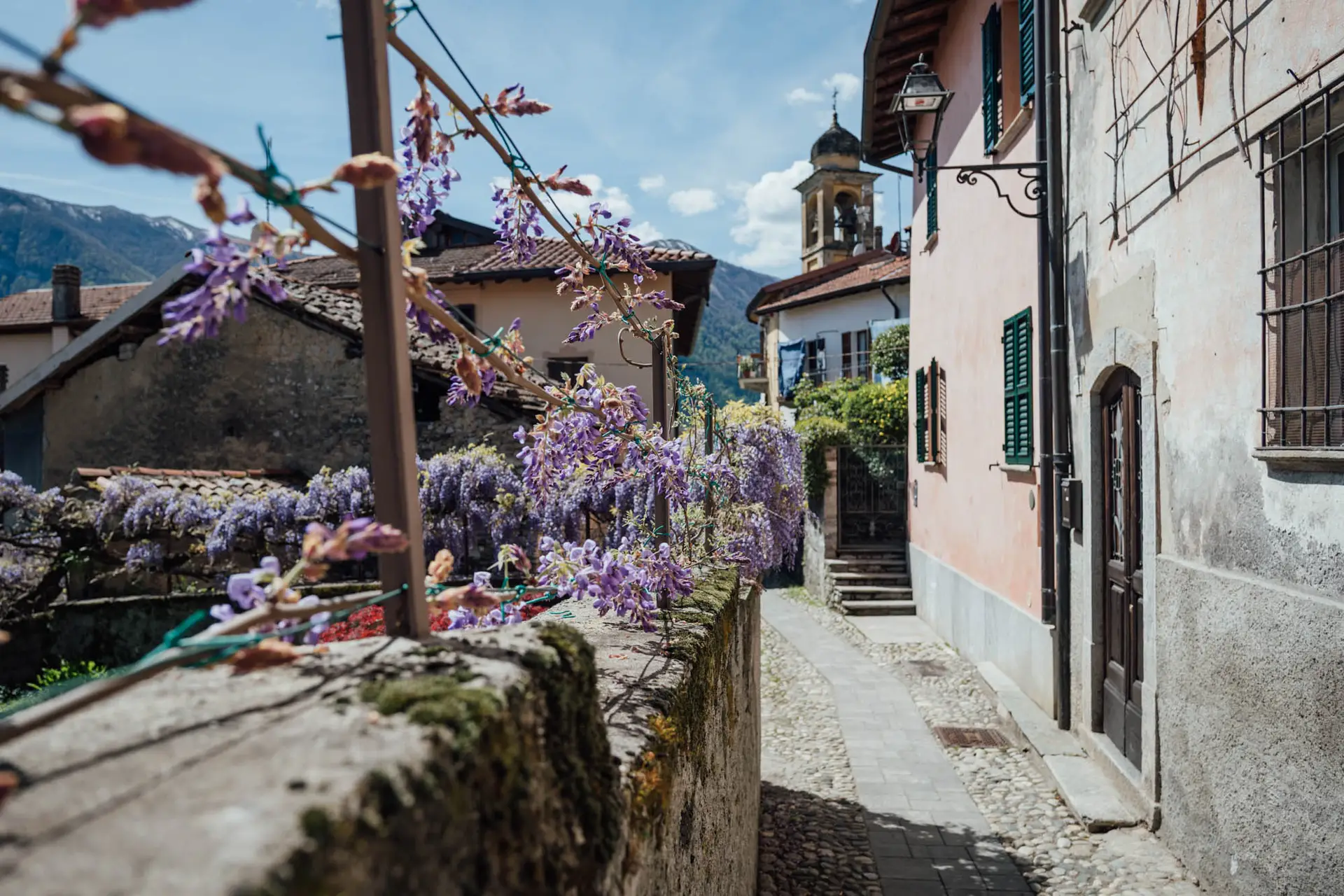
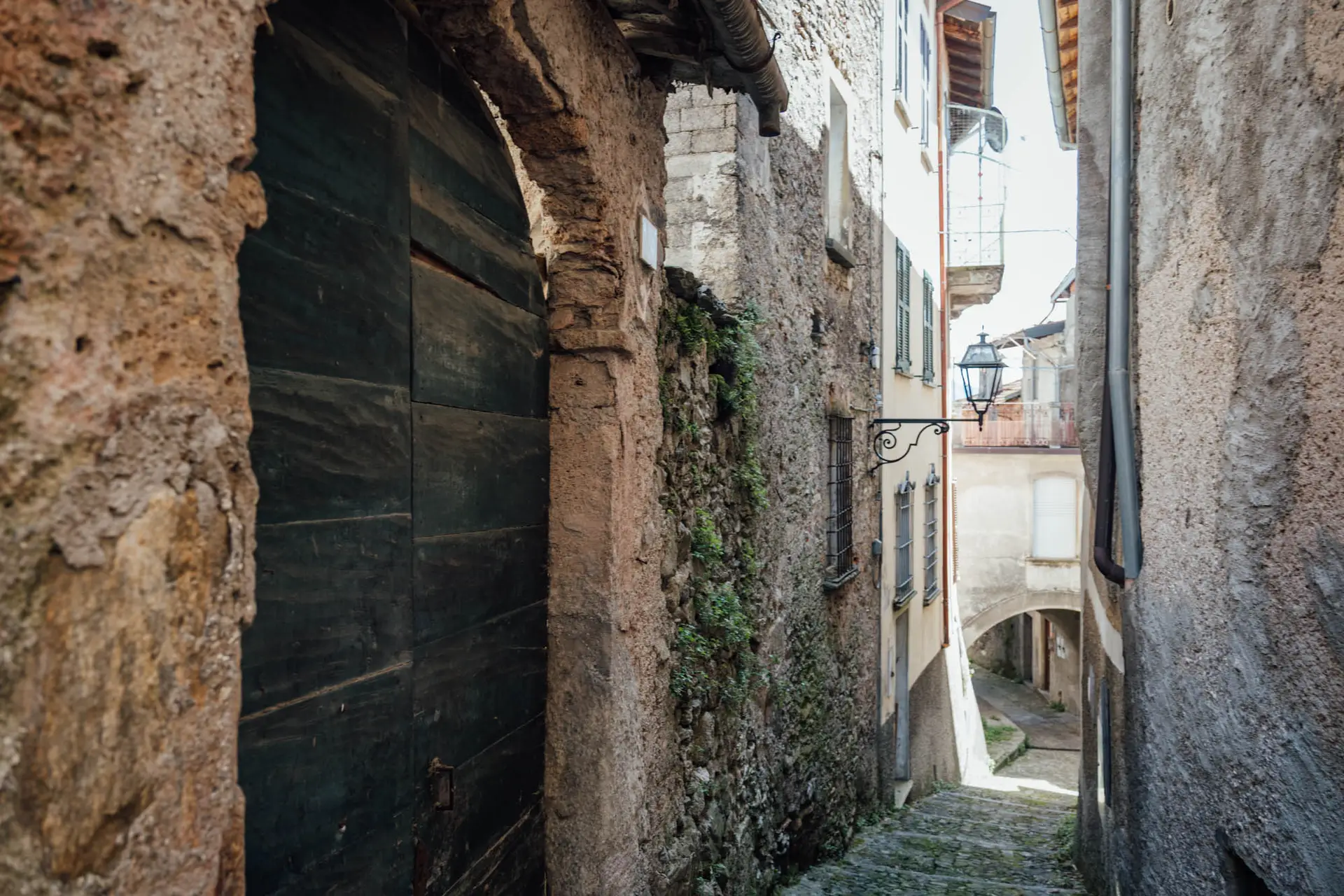
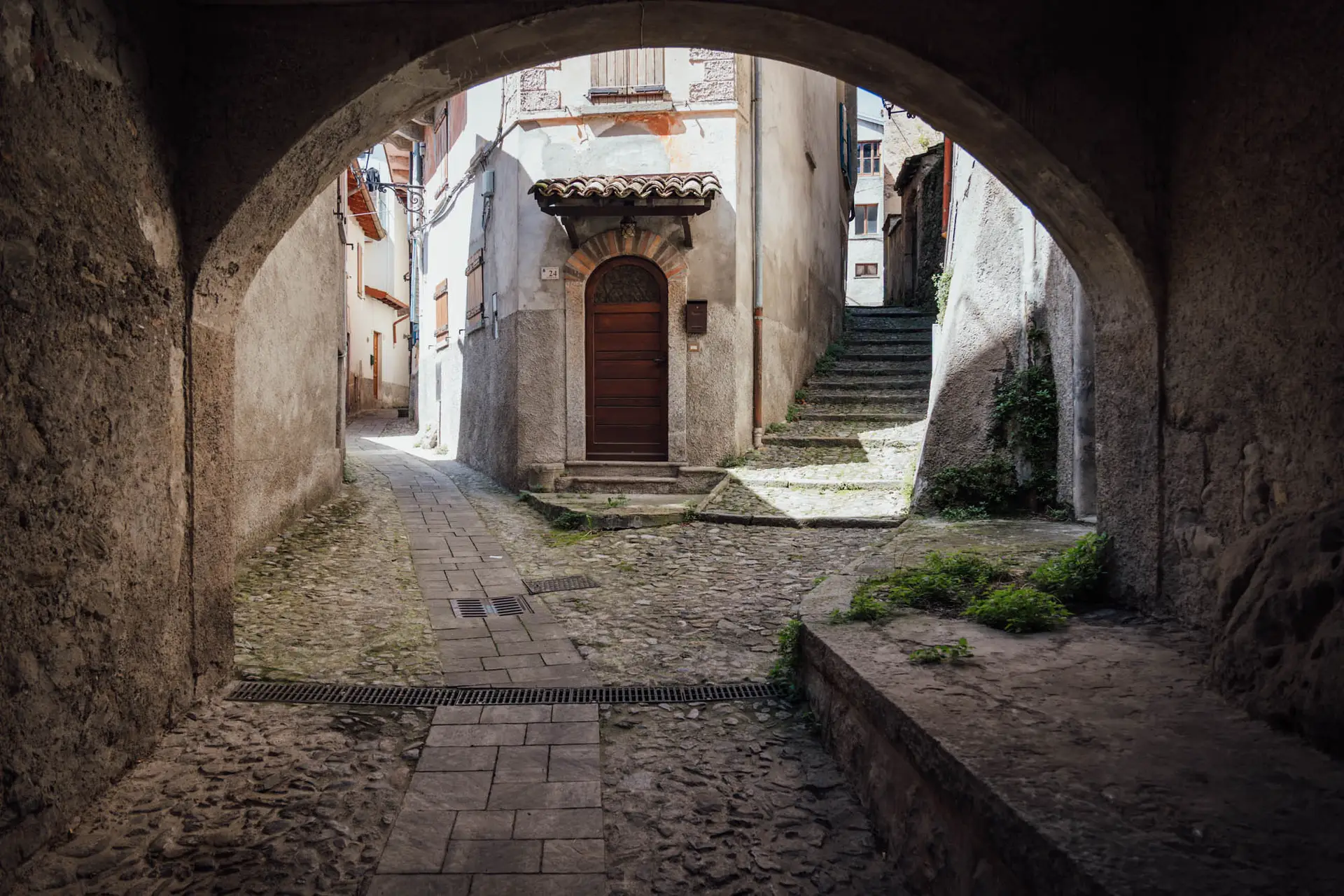
The name of Naggio could derive from Sem Nacc ("we have gone"), a dialect exclamation carried by Bergamascan shepherds who fled their town, or from the Latin "Nacta libertate" ("achieved freedom"), indicating a country free of any yoke.
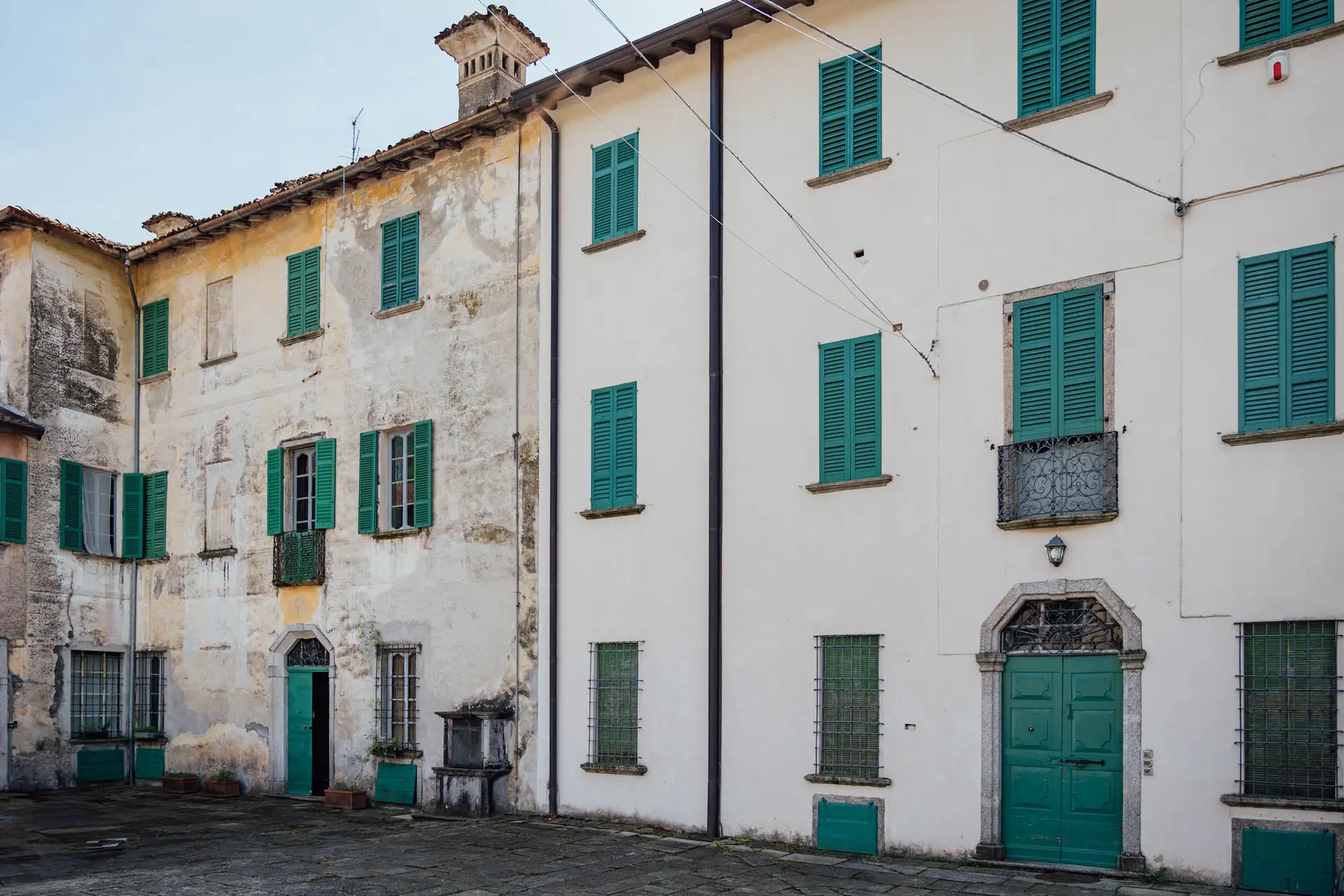
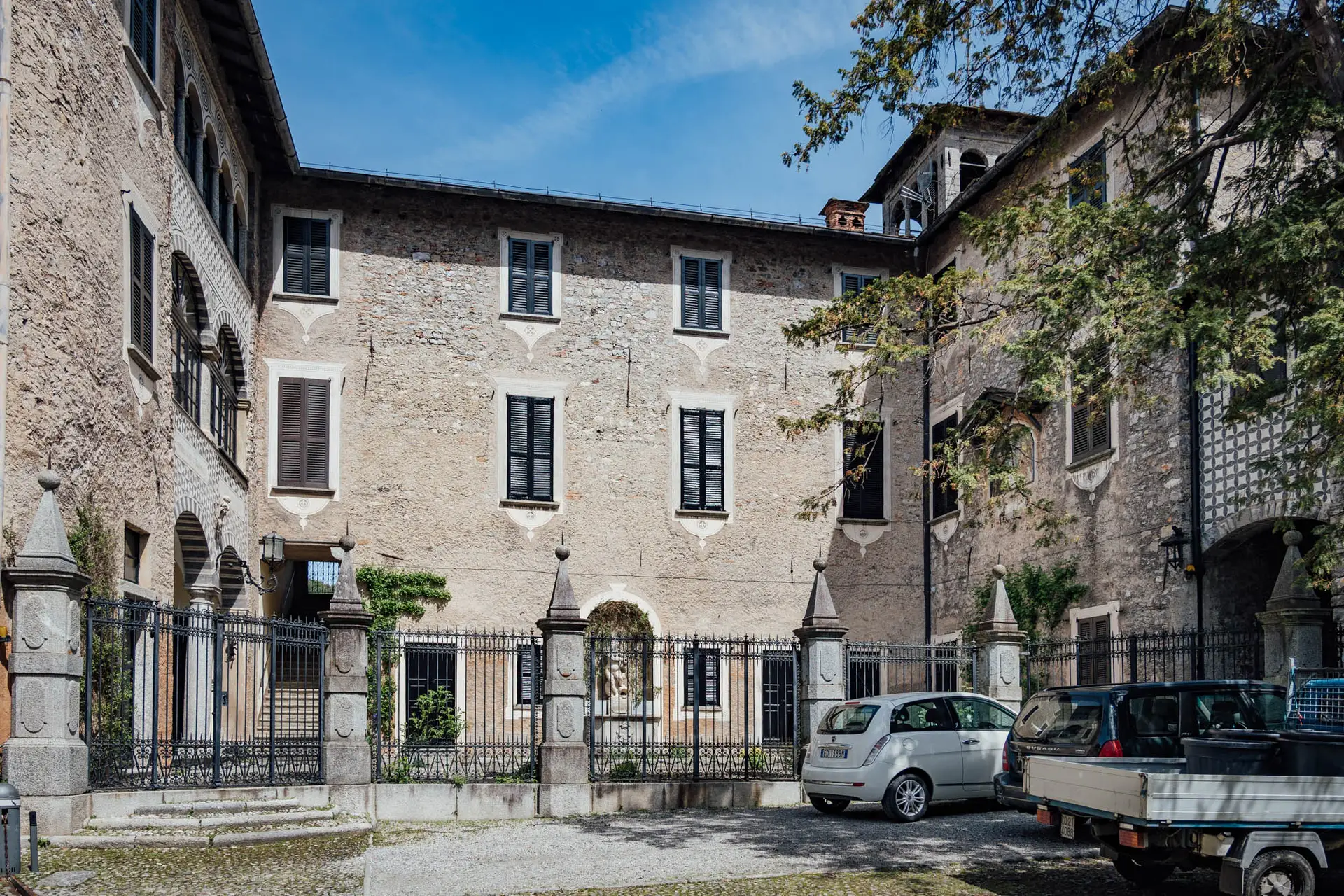
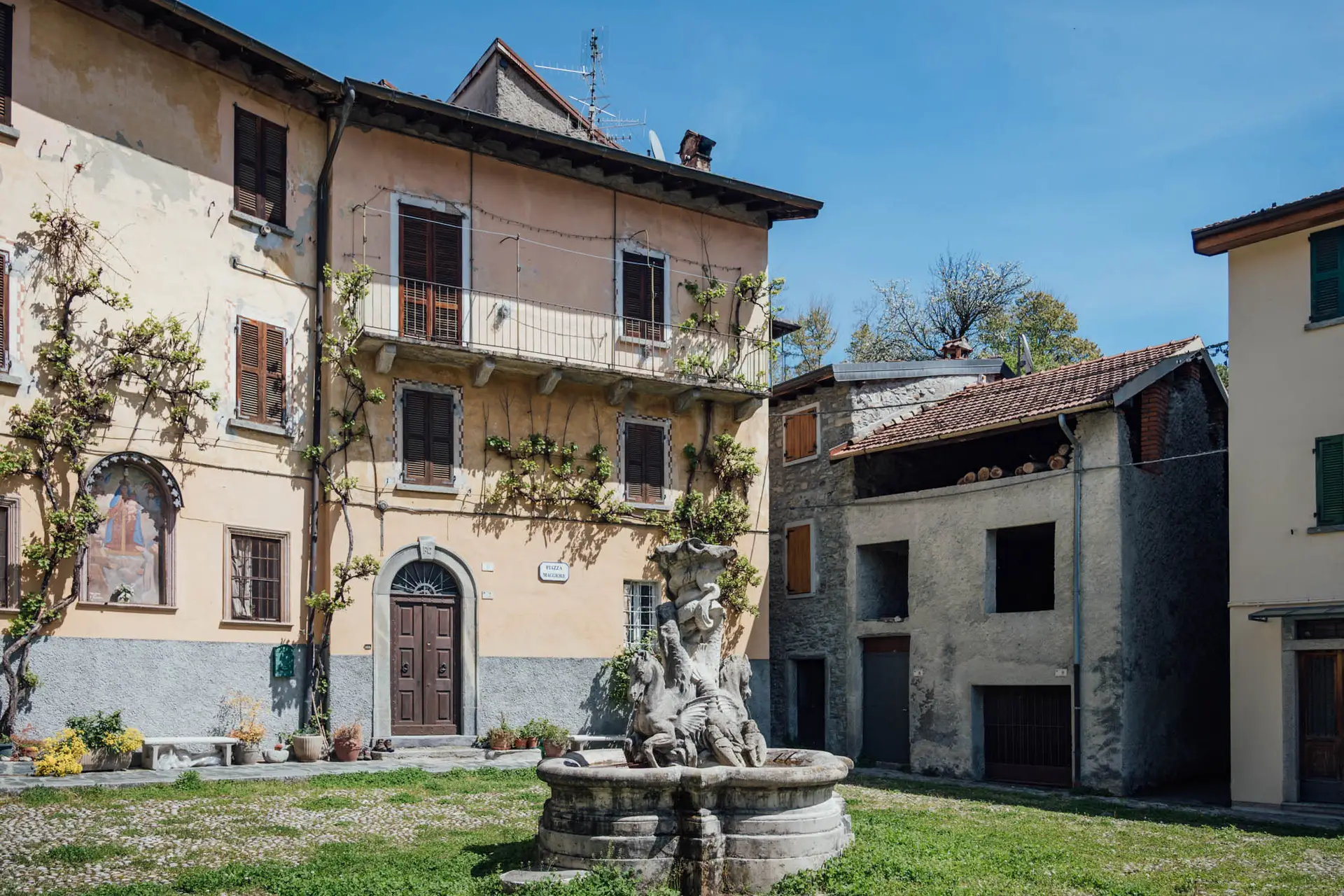
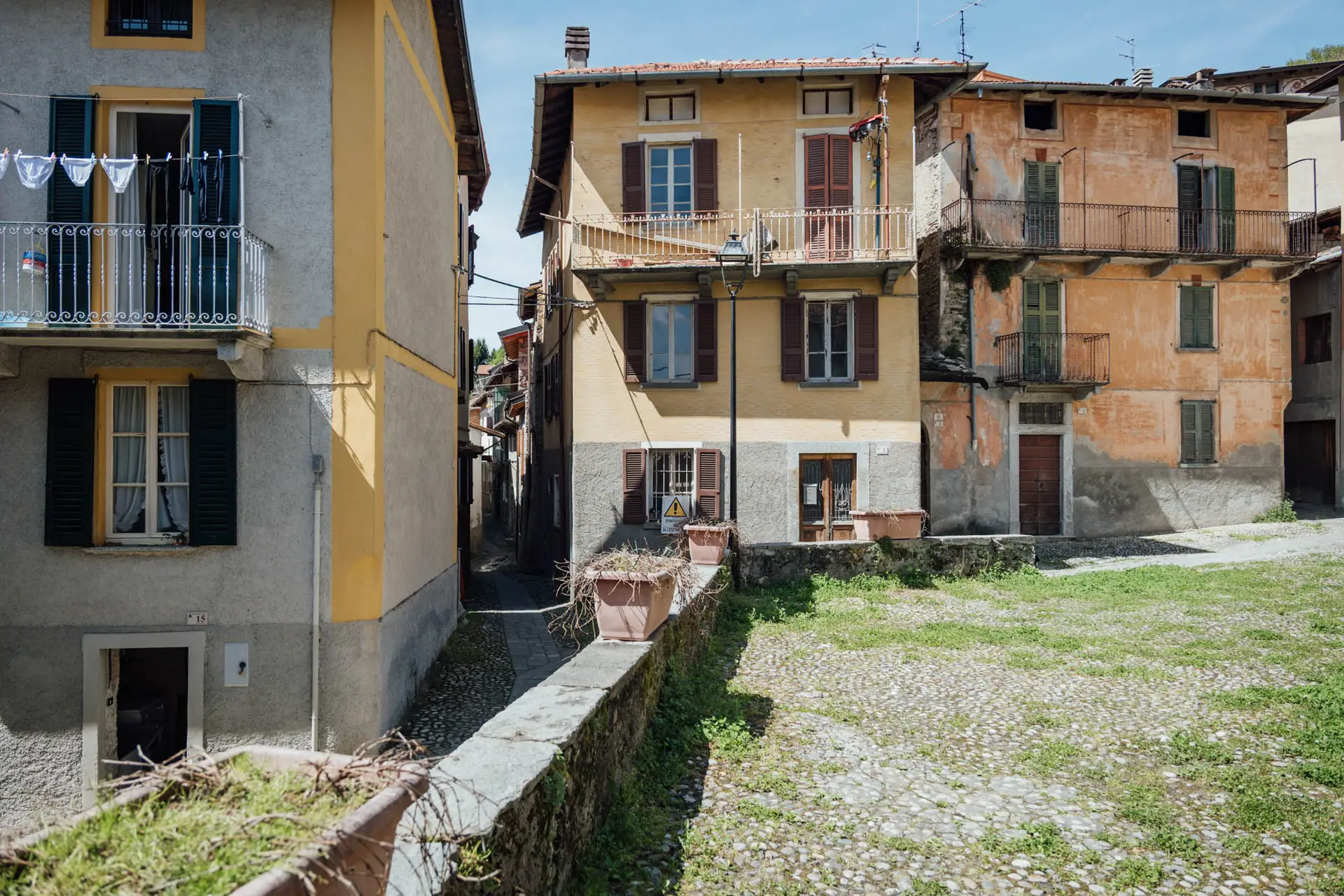
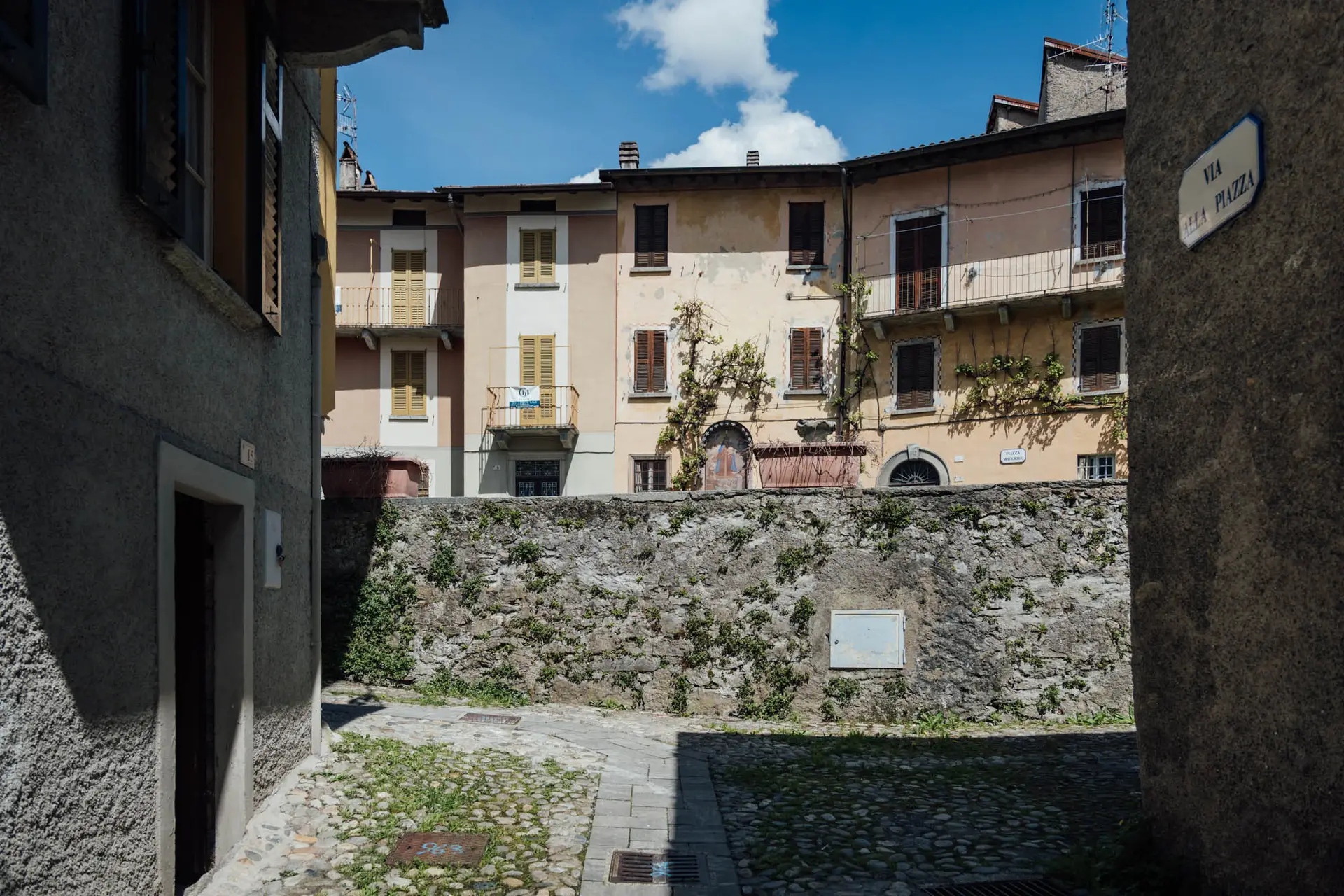
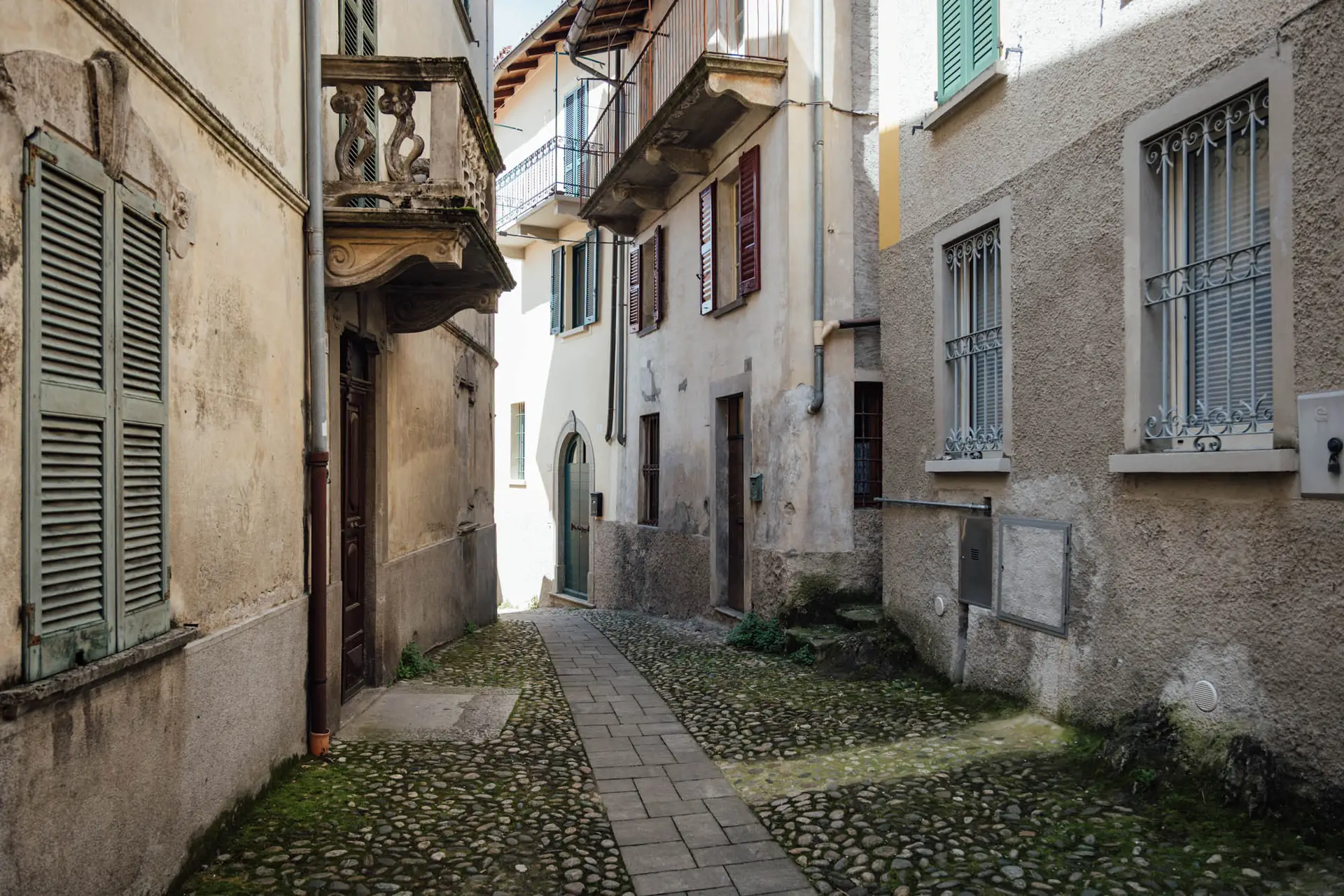
The history of Naggio is closely linked to art: many of its inhabitants were stonemasons, painters, sculptors, and master masons who traveled throughout Europe. The traces of their art can still be seen on buildings, particularly on portals, and on the frescoes that decorate houses and streets. Families such as Barelli, Muttoni, Guaita, Pavoni, and Tentardini bear witness to this tradition. The figure of the itinerant artist is a characteristic of the province of Como, with roots going back to the Magistri Cumacini and the Maestri Campionesi, to the Baroque artists of the Intelvi Valley.
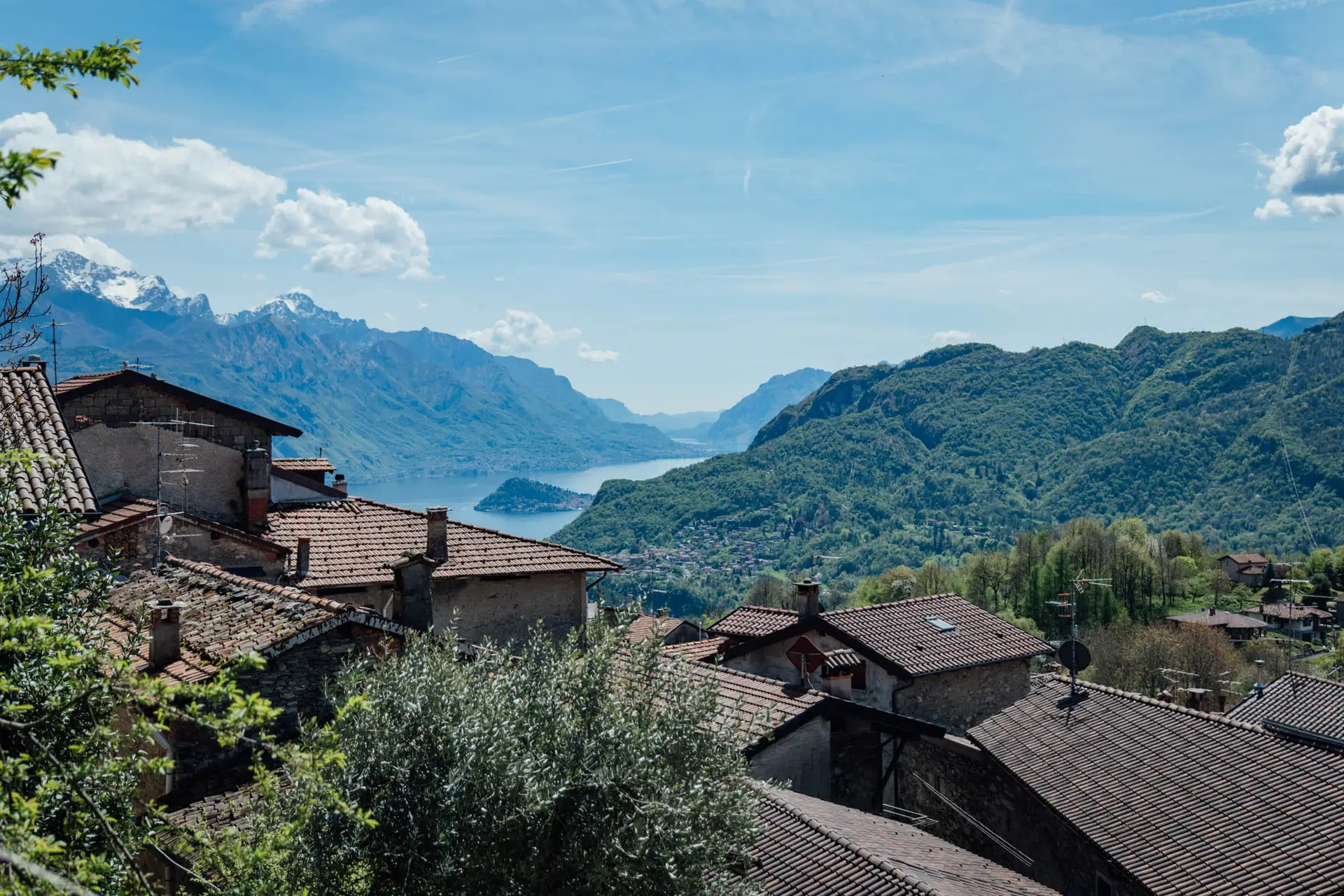
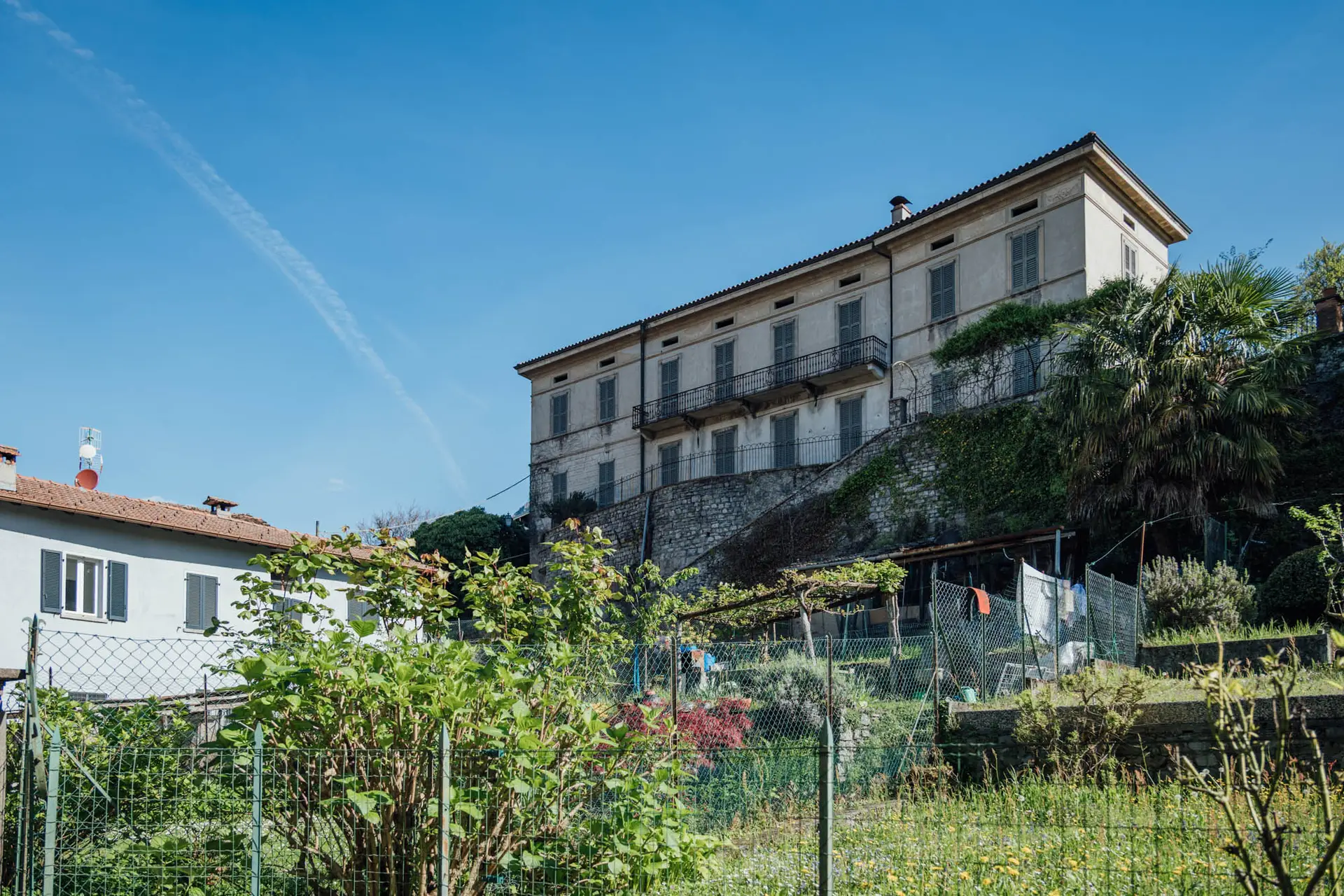
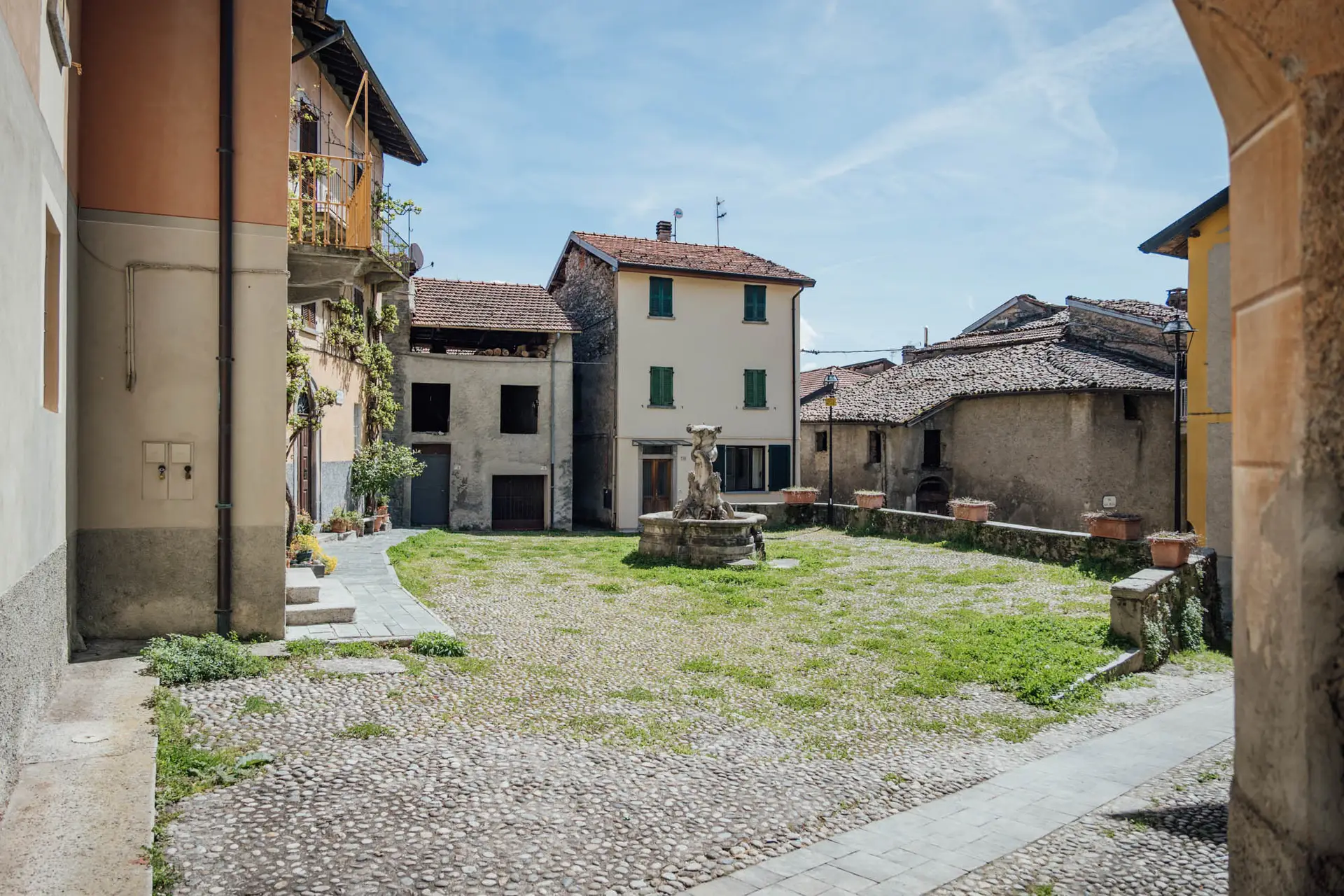
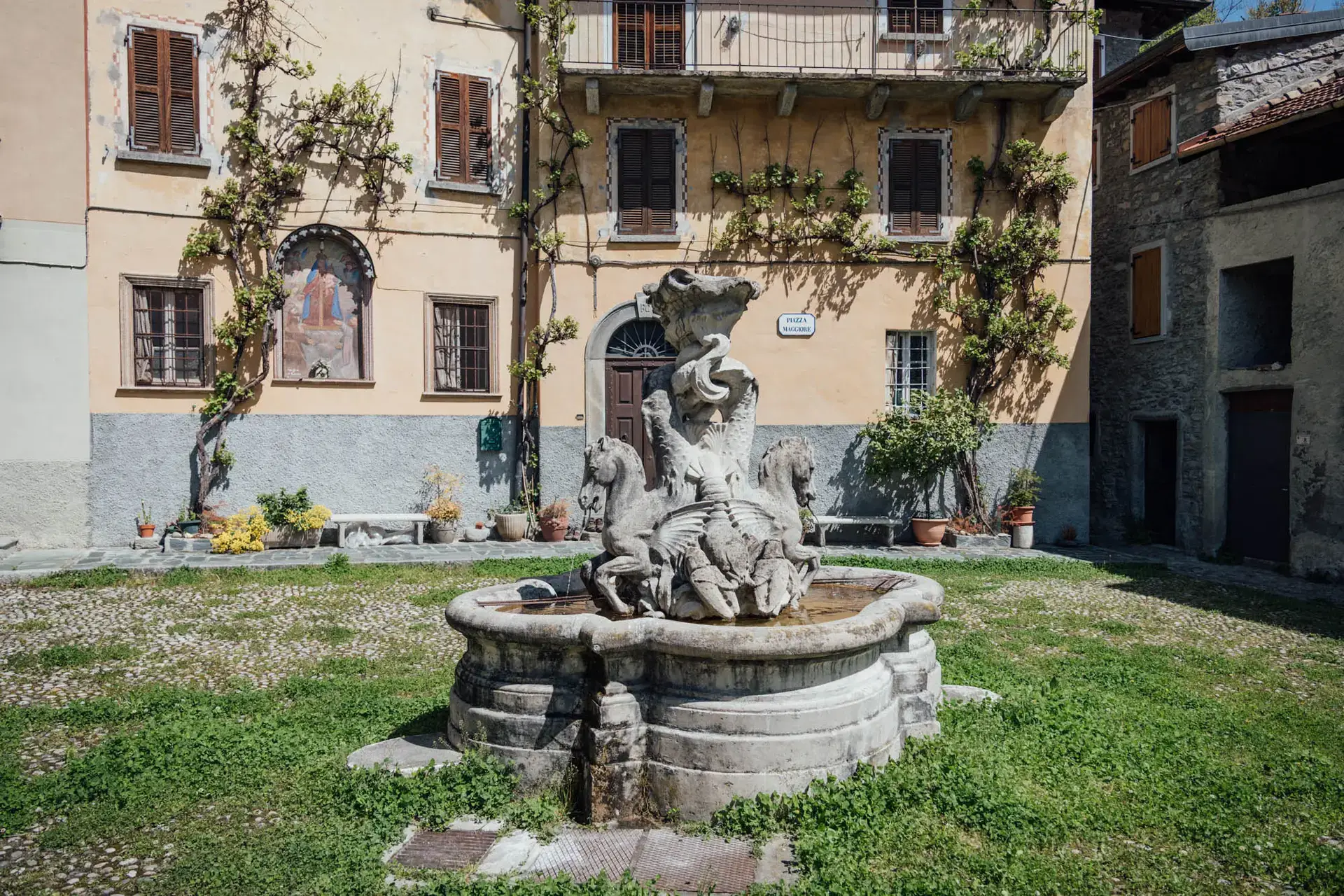
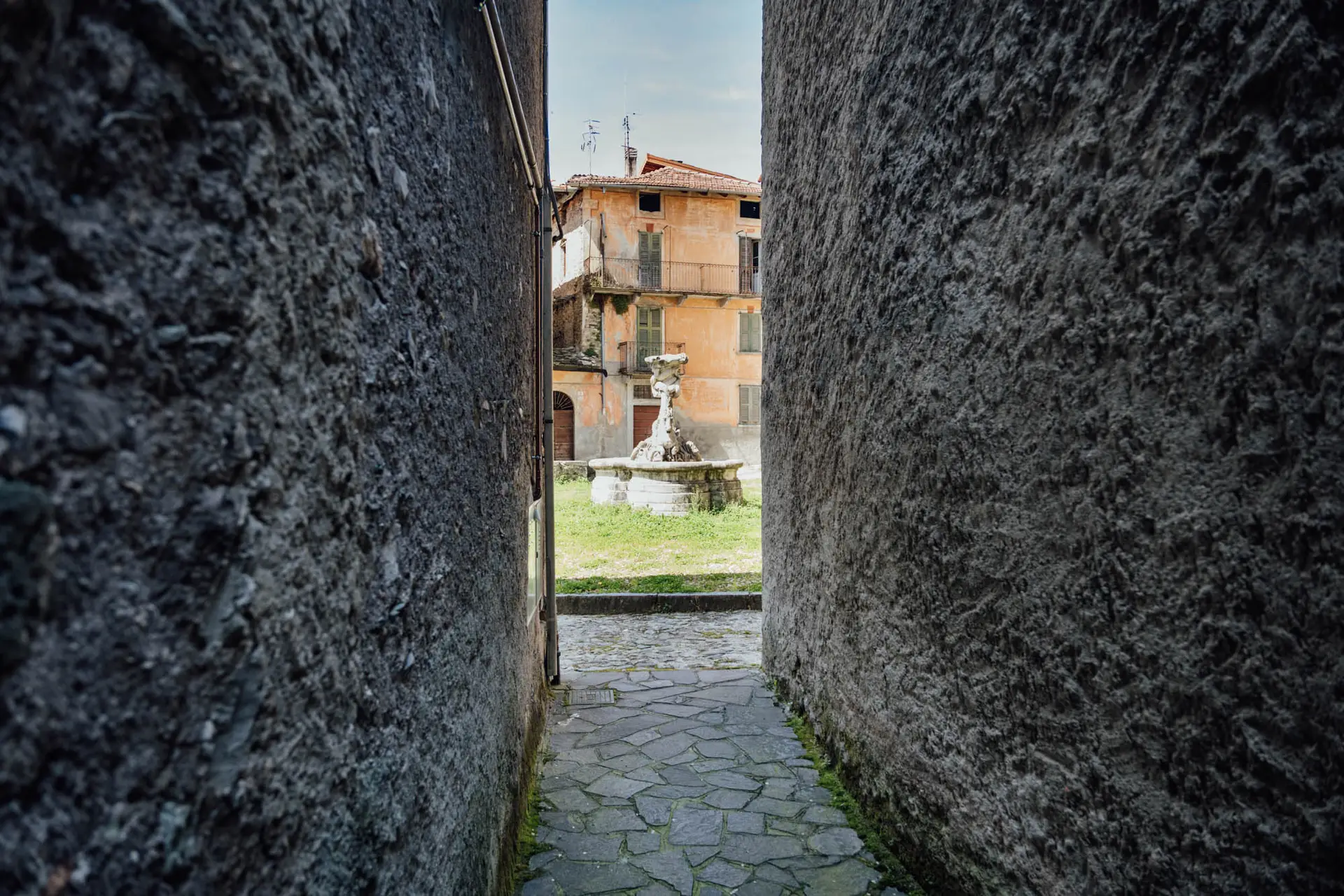
From the village you can enjoy a beautiful view of Lake Como. La central square is particularly distinctive, with a beautiful fountain with statues, a unique specimen in the Grandolese context.
In Naggio are found two churches: the Church of St. Anthony Abbot, dating back to the fifteenth century, and the Church of Our Lady of Sorrows, built in the 18th century. In the locality of "La Comuna," above Naggio, there is also the historic Chapel of St. Roch.
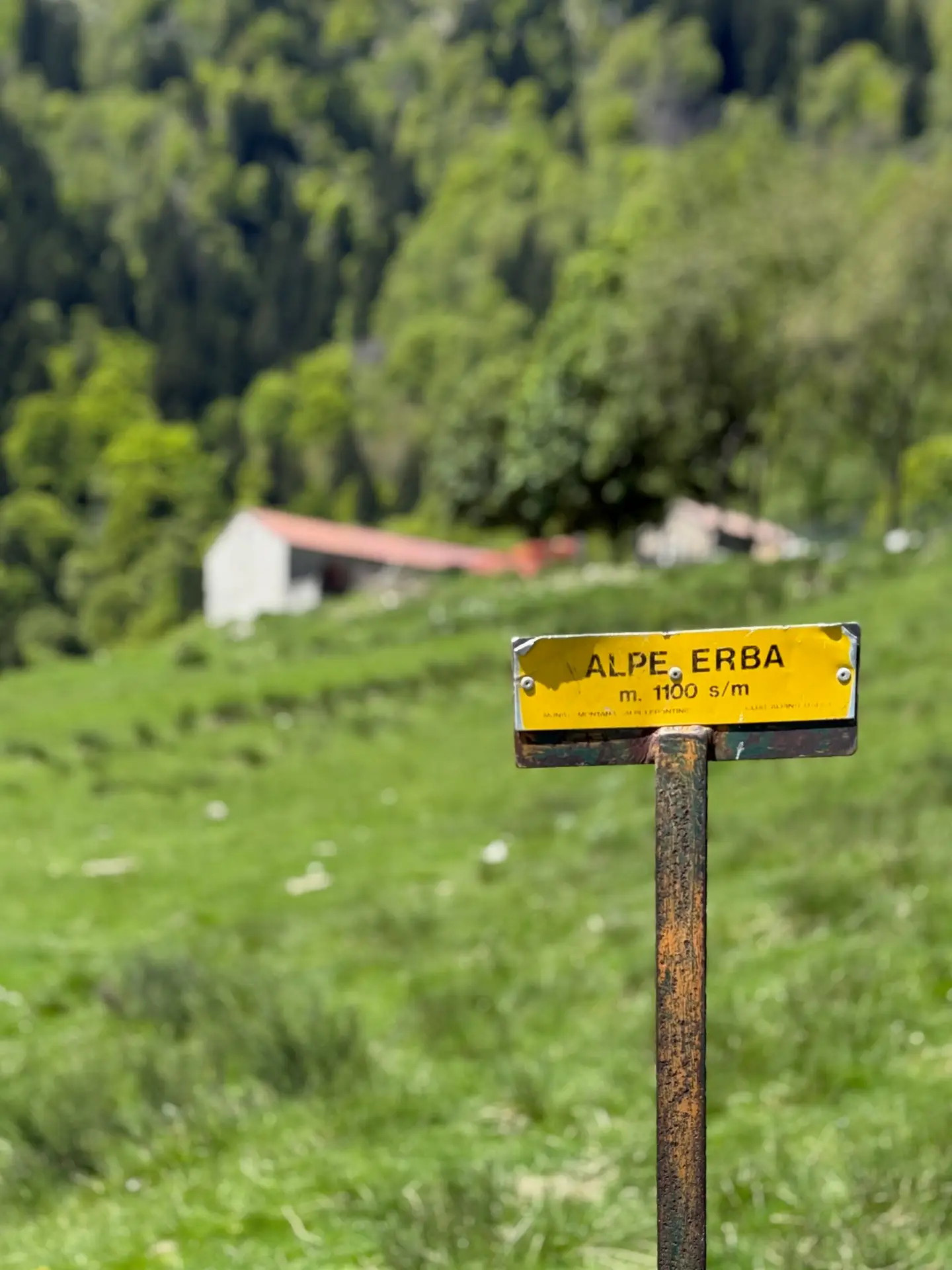
From Naggio starts the route to reach the mountain pastures.