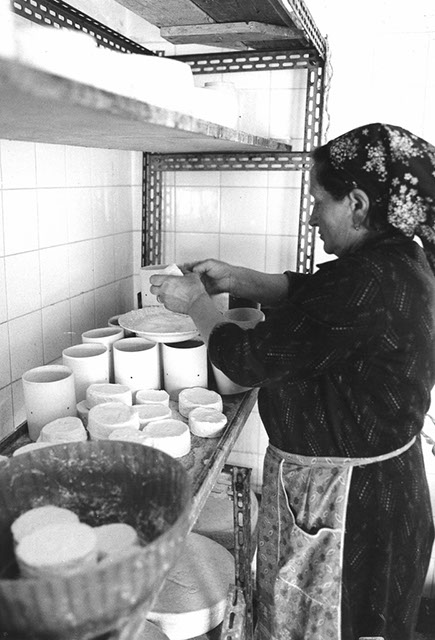
Life on the Alpine Pastures: Tales of work, animals and traditions
Exploitation of the high mountains has always been linked to transhumance, an ancient practice involving the seasonal migration of herds and cattlemen from the plains to mountain pastures and vice versa. This centuries-old tradition, now increasingly rare, is still maintained in some alpine valleys, including Val Sanagra, where some herders continue to follow this annual ritual.
The Cycle of Transhumance
Transhumance follows a well-defined cycle: during the winter, animals are housed in stables in lowland areas, while during the three summer months they are transferred to mountain pastures, where they find richer pastures and favorable climatic conditions. The journey from the plains to the mountains takes place in spring, usually in May, through a route divided into intermediate stages.
The Stages of Transhumance
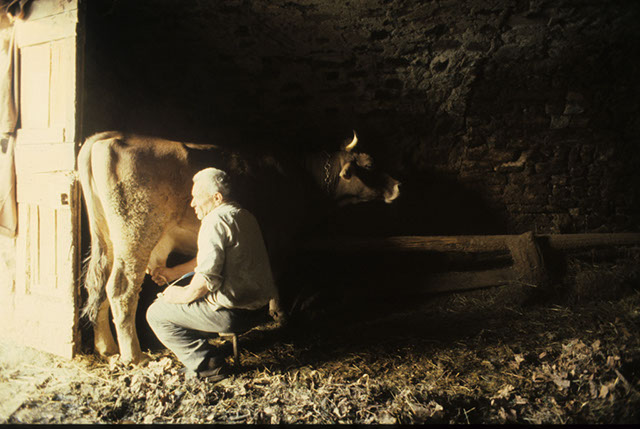
The first step of transhumance is to leave the stables on the valley floor. The animals, accompanied by the herders, begin their ascent along traditional routes. To make it easier to find the cattle during the journey, each animal is equipped with a cowbell tied around its neck with a wooden or leather collar.
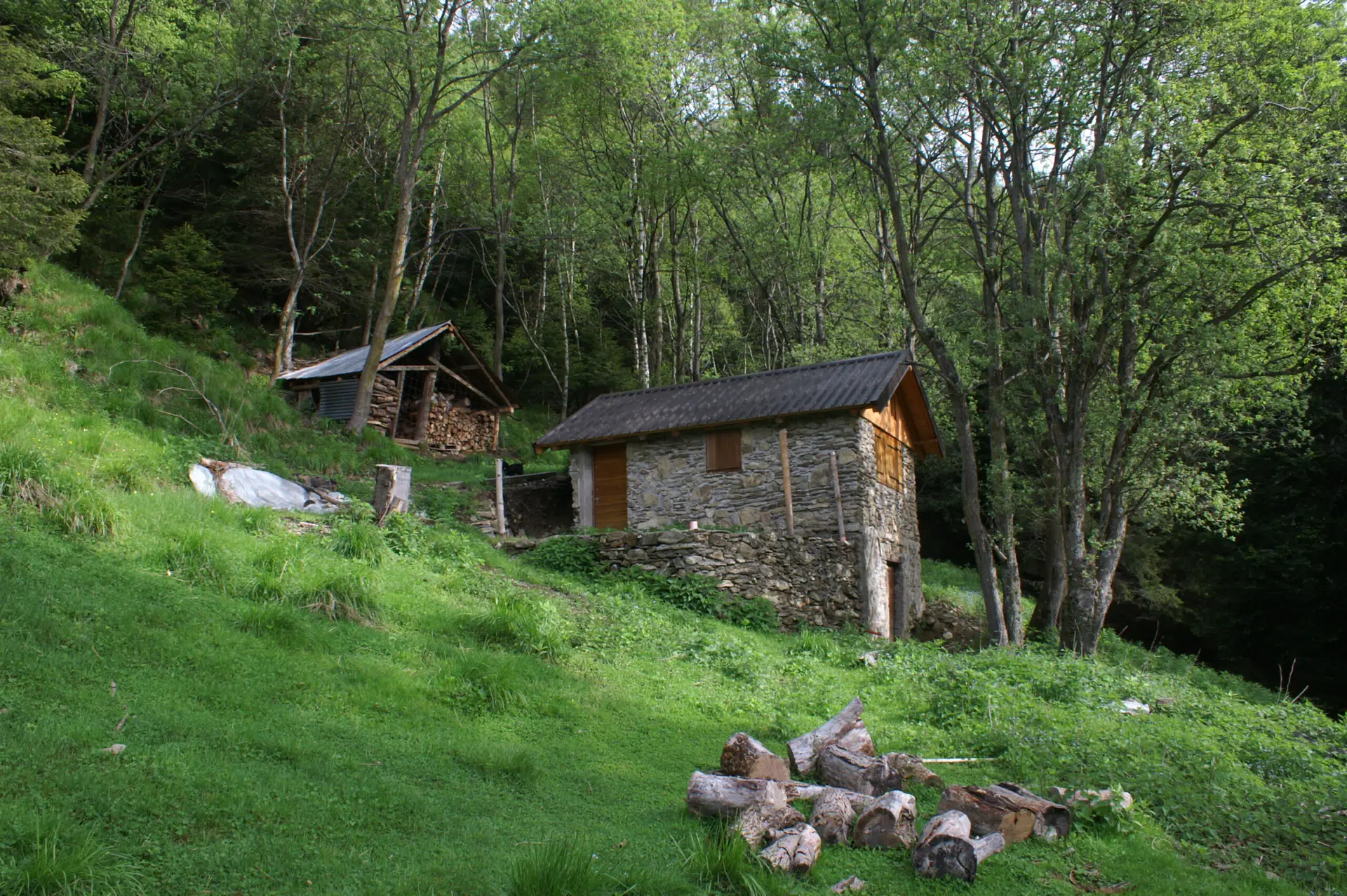
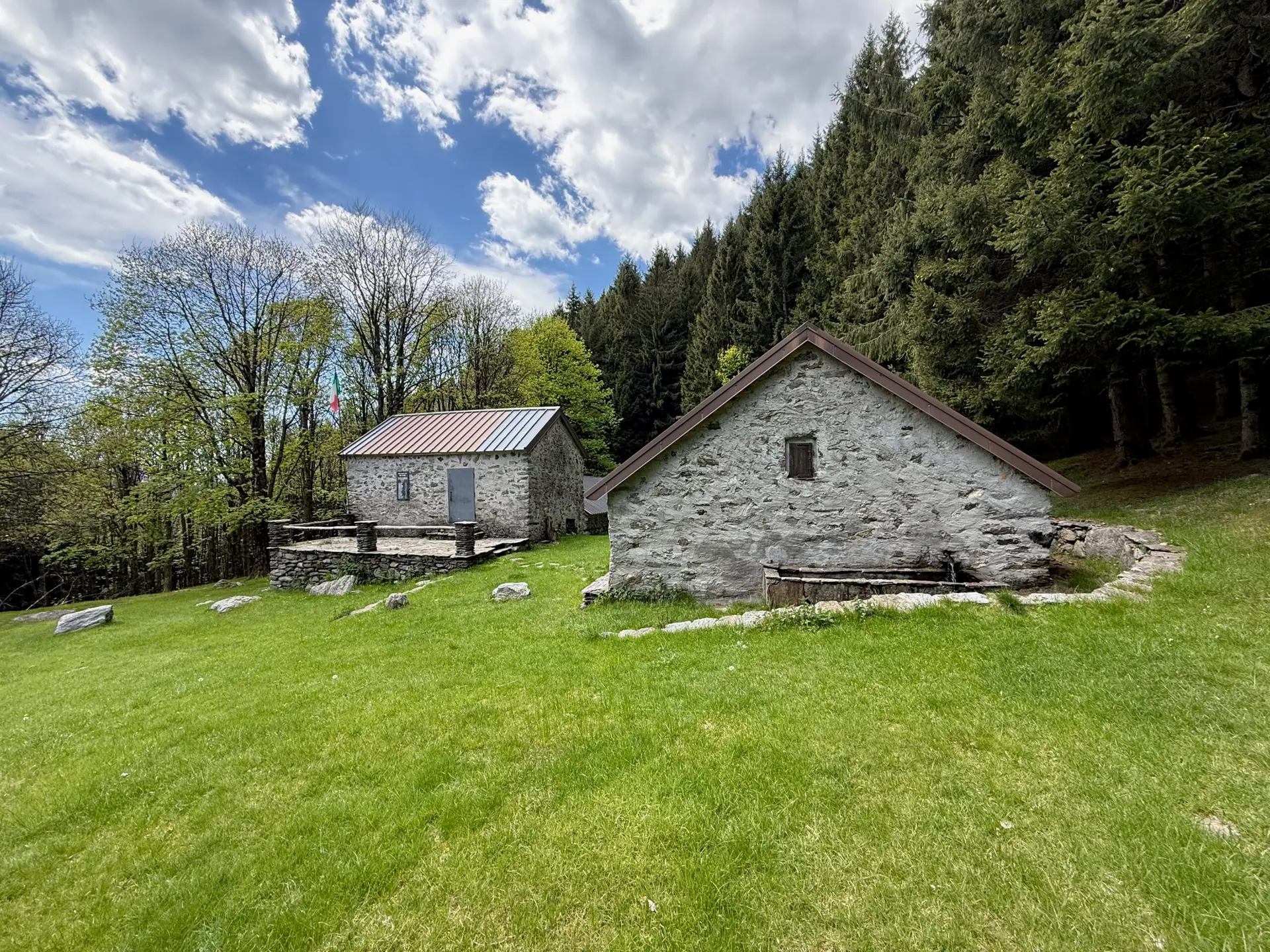
Halfway up are the so-called mounts, stables located at medium altitudes that serve as staging points. Here animals can rest and find intermediate pastures. Each mount is equipped with a stable, housing for the herdsmen and a room dedicated to milk processing. Some herders choose to stop at these places without reaching the highest pasture.
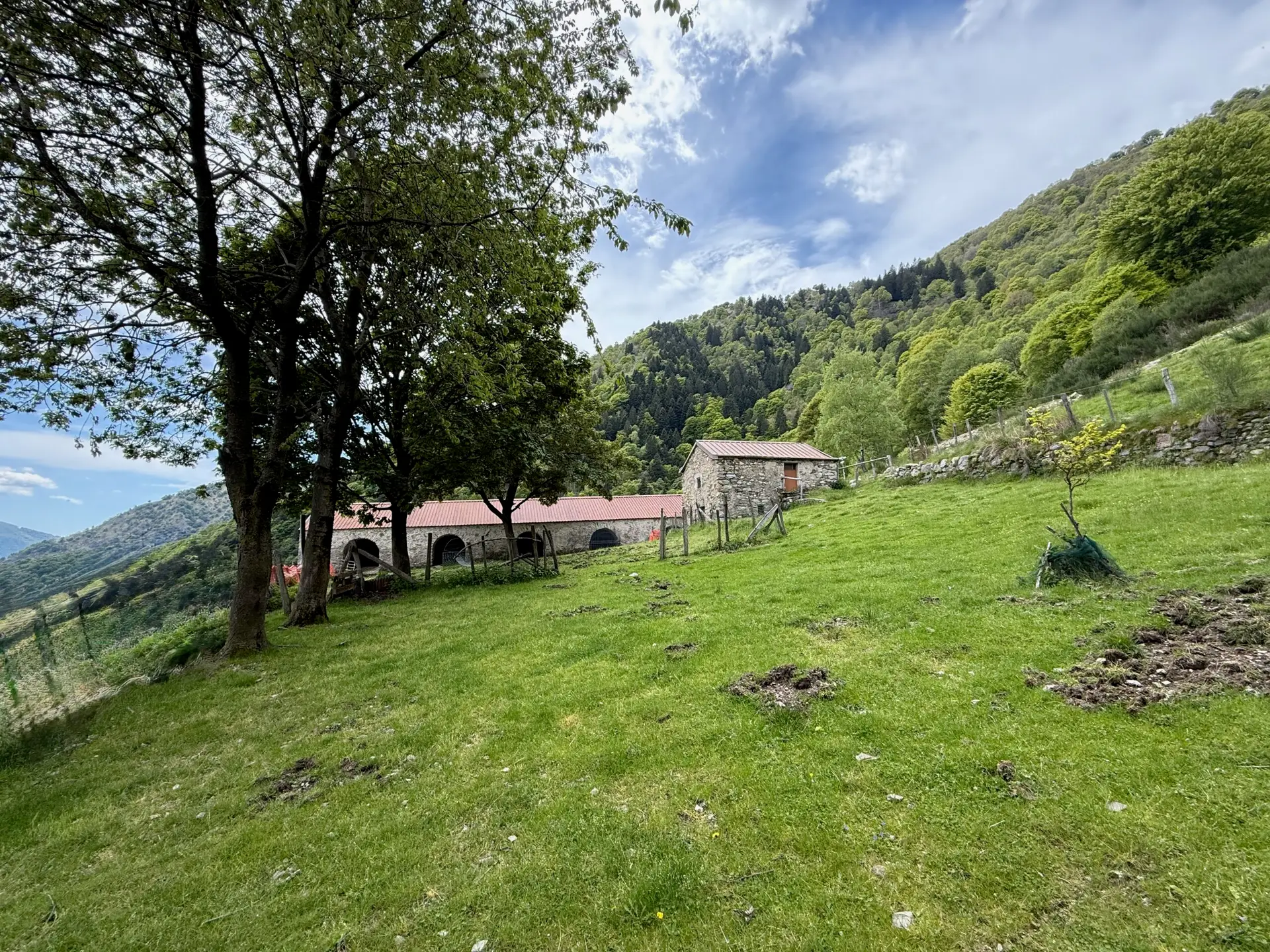
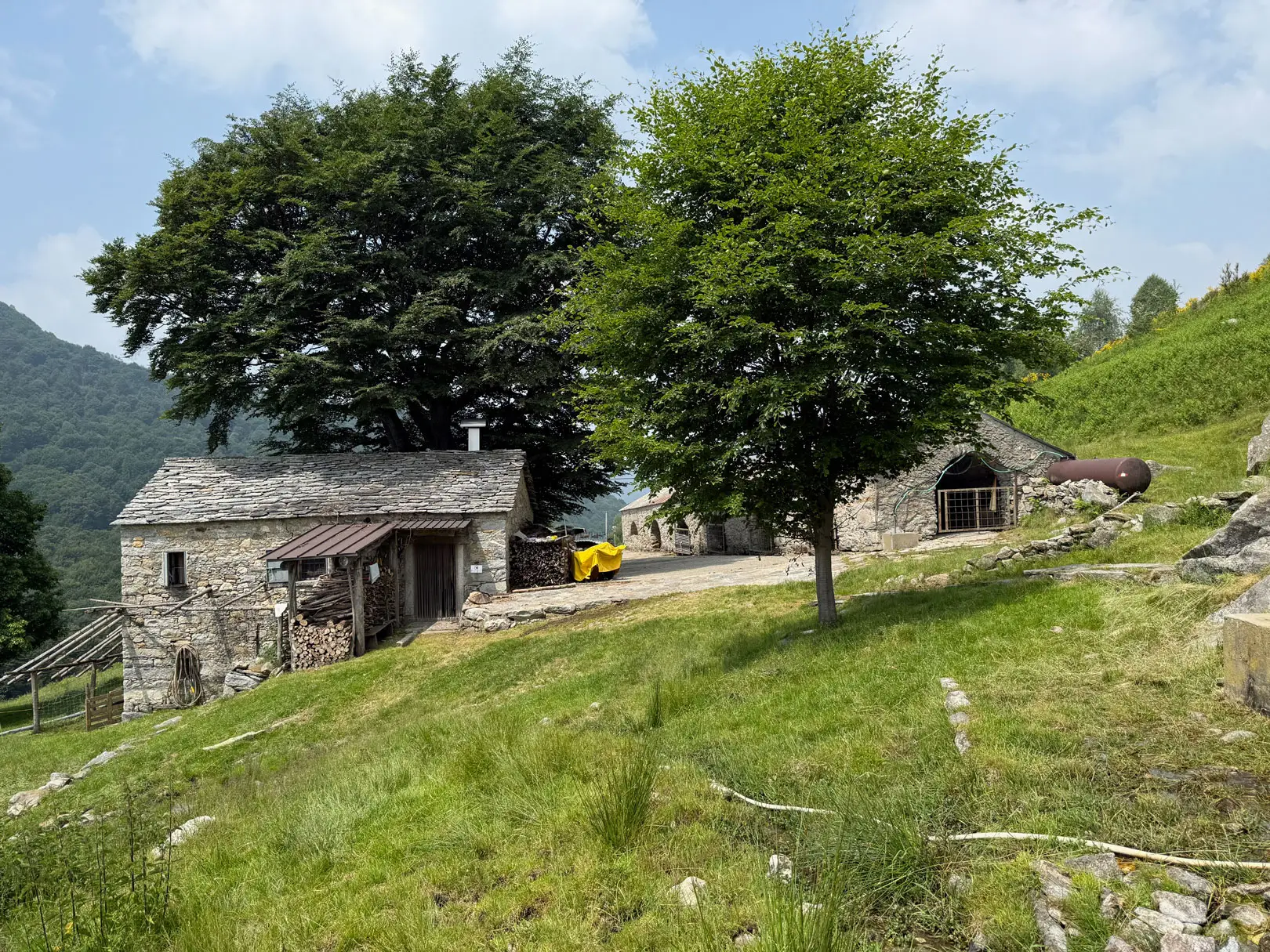
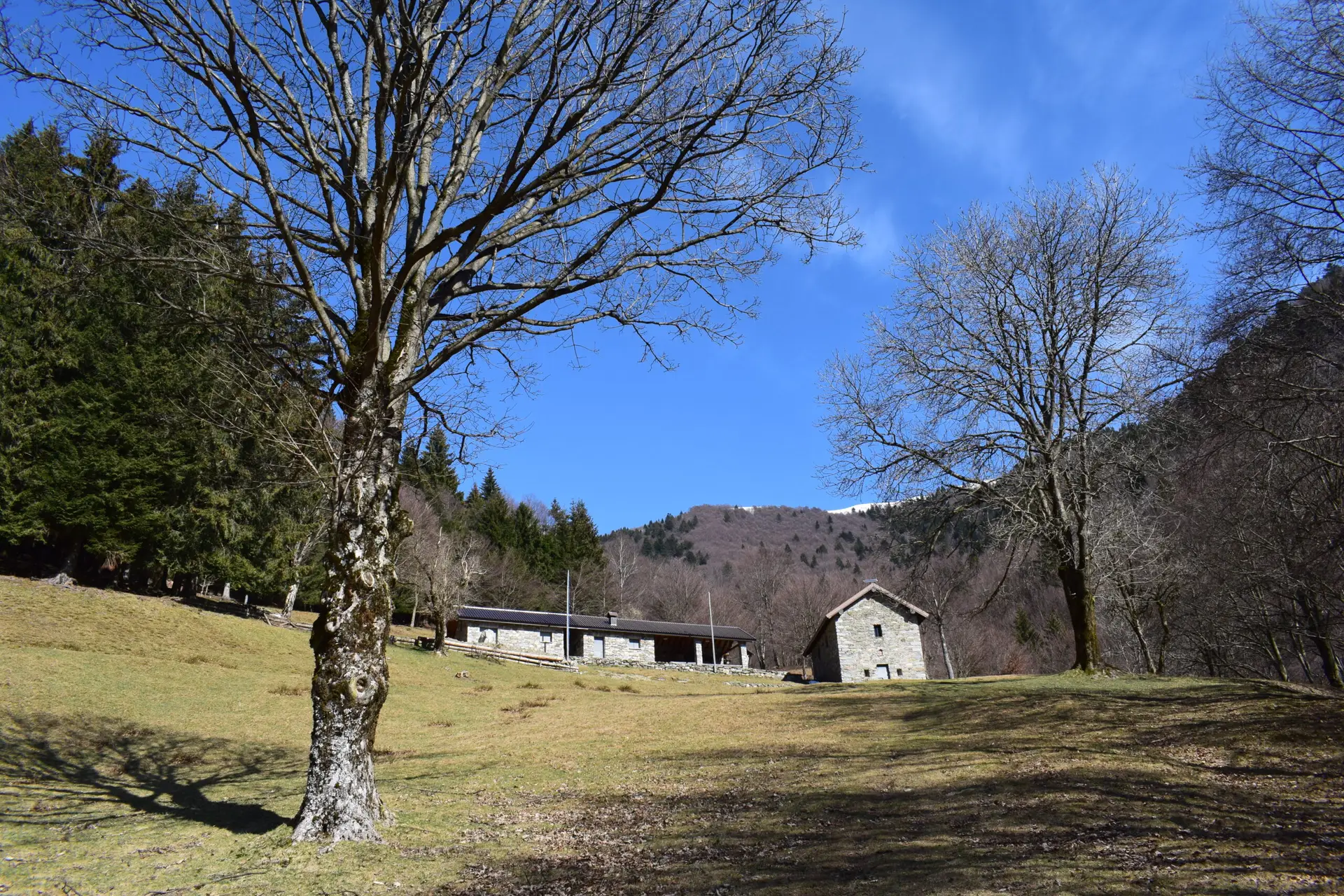
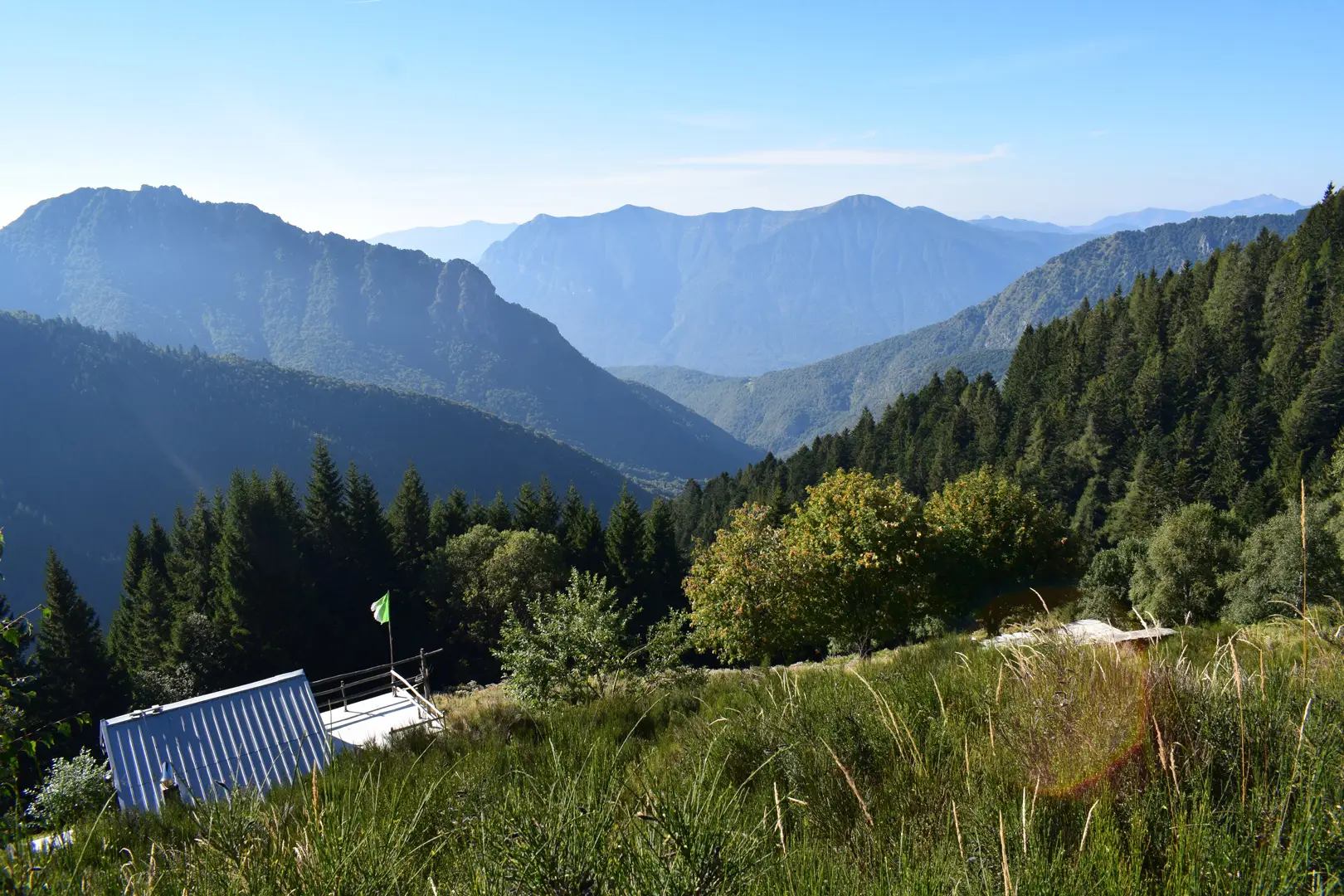
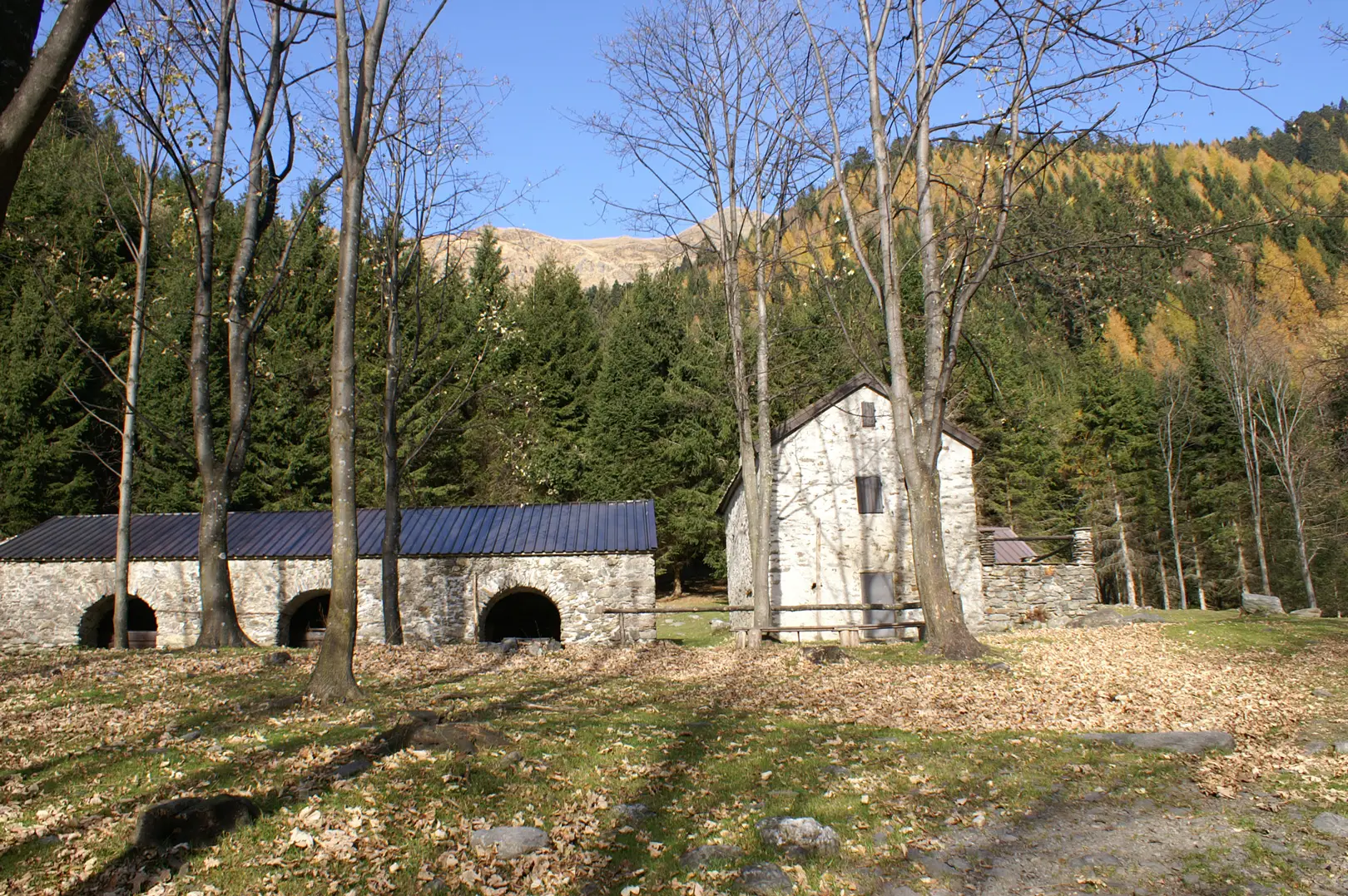
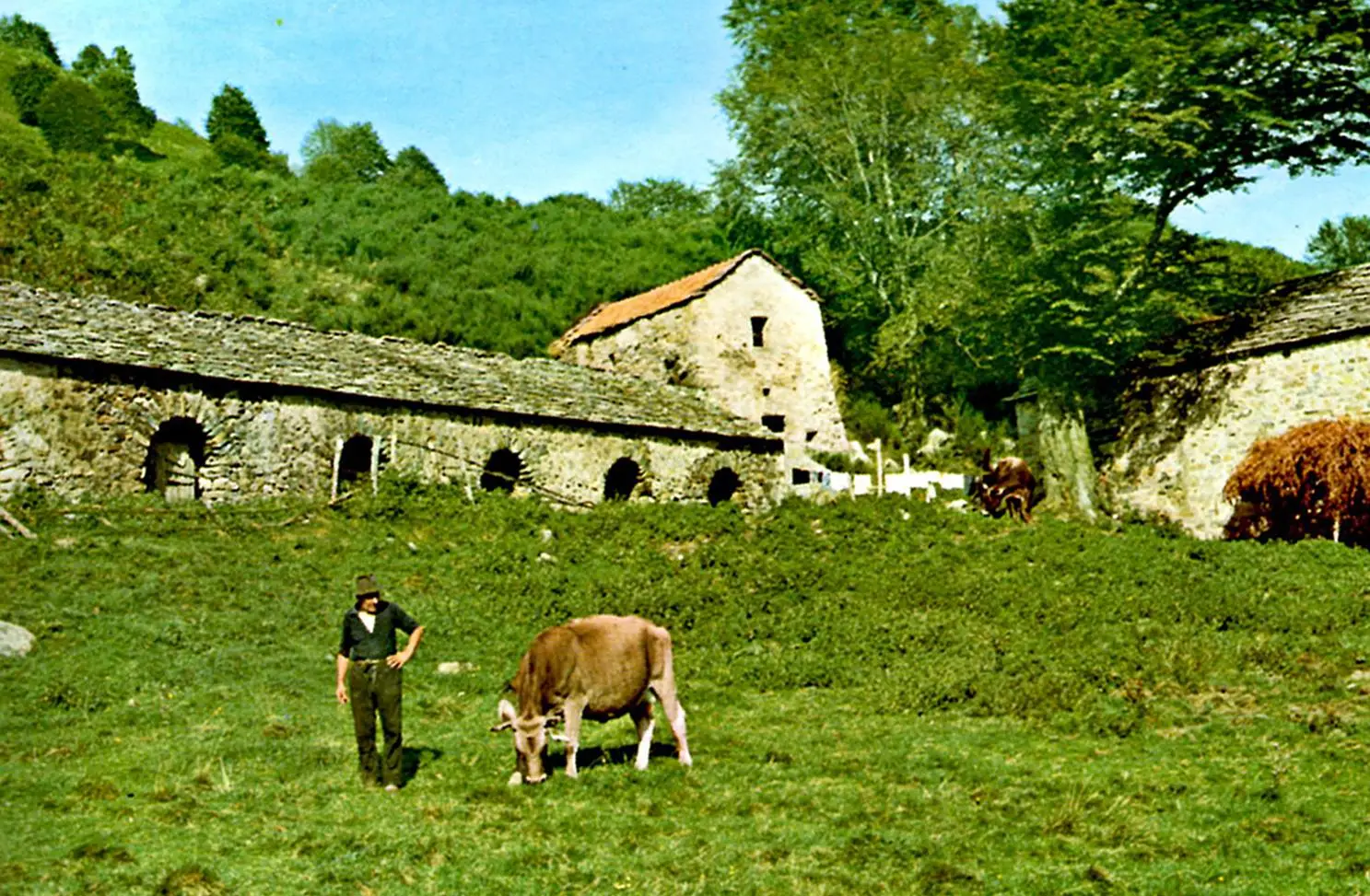
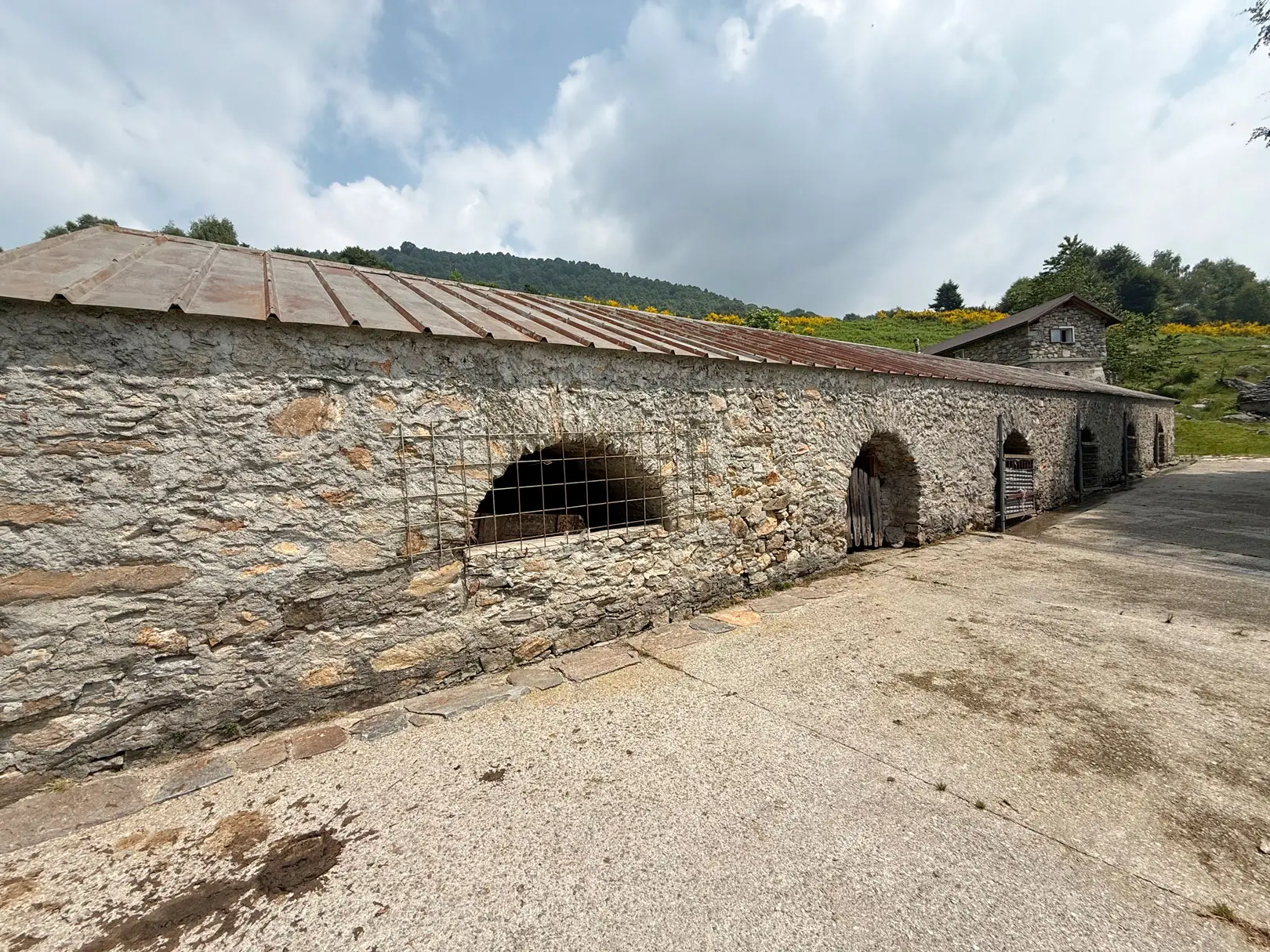
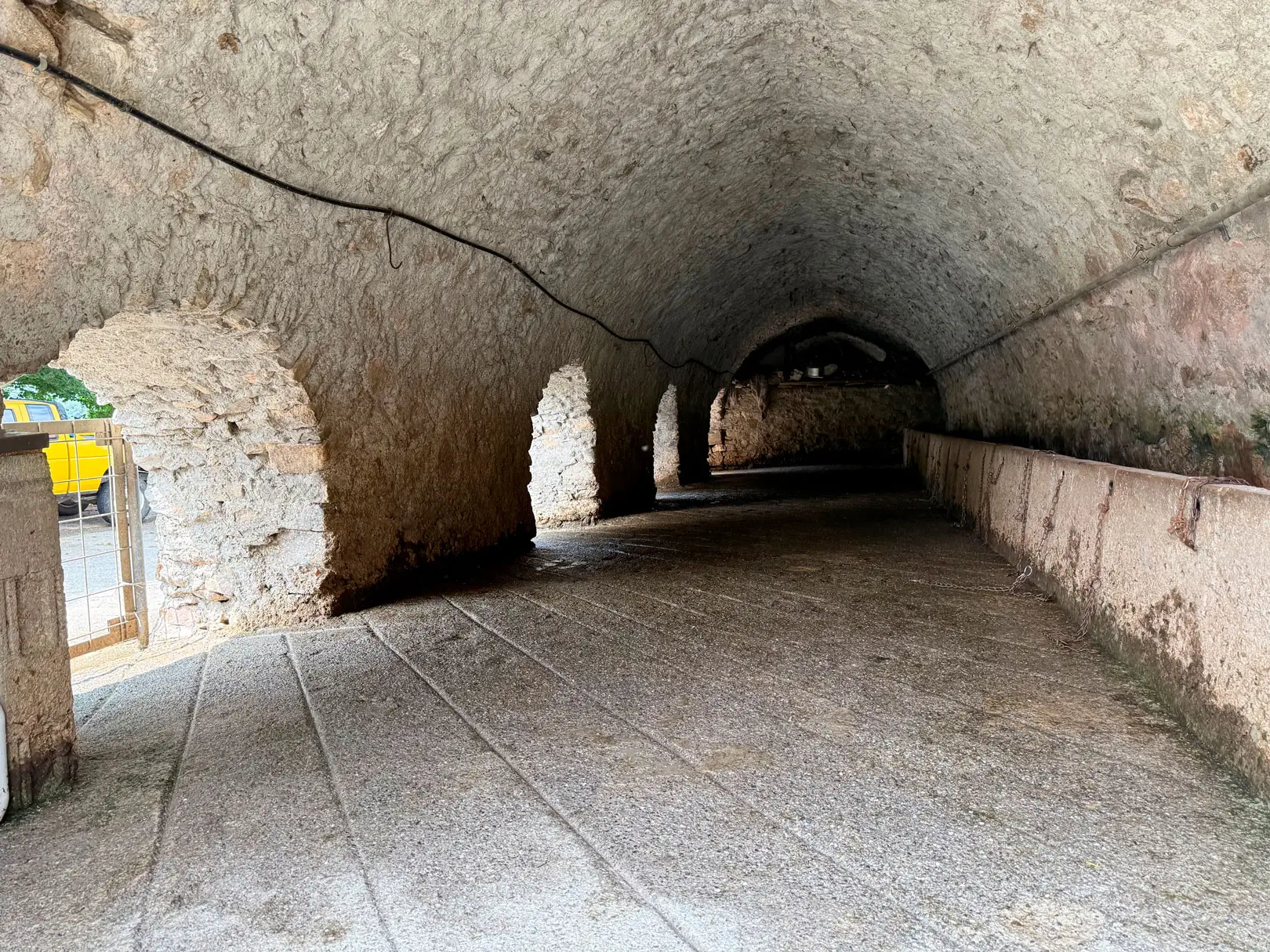
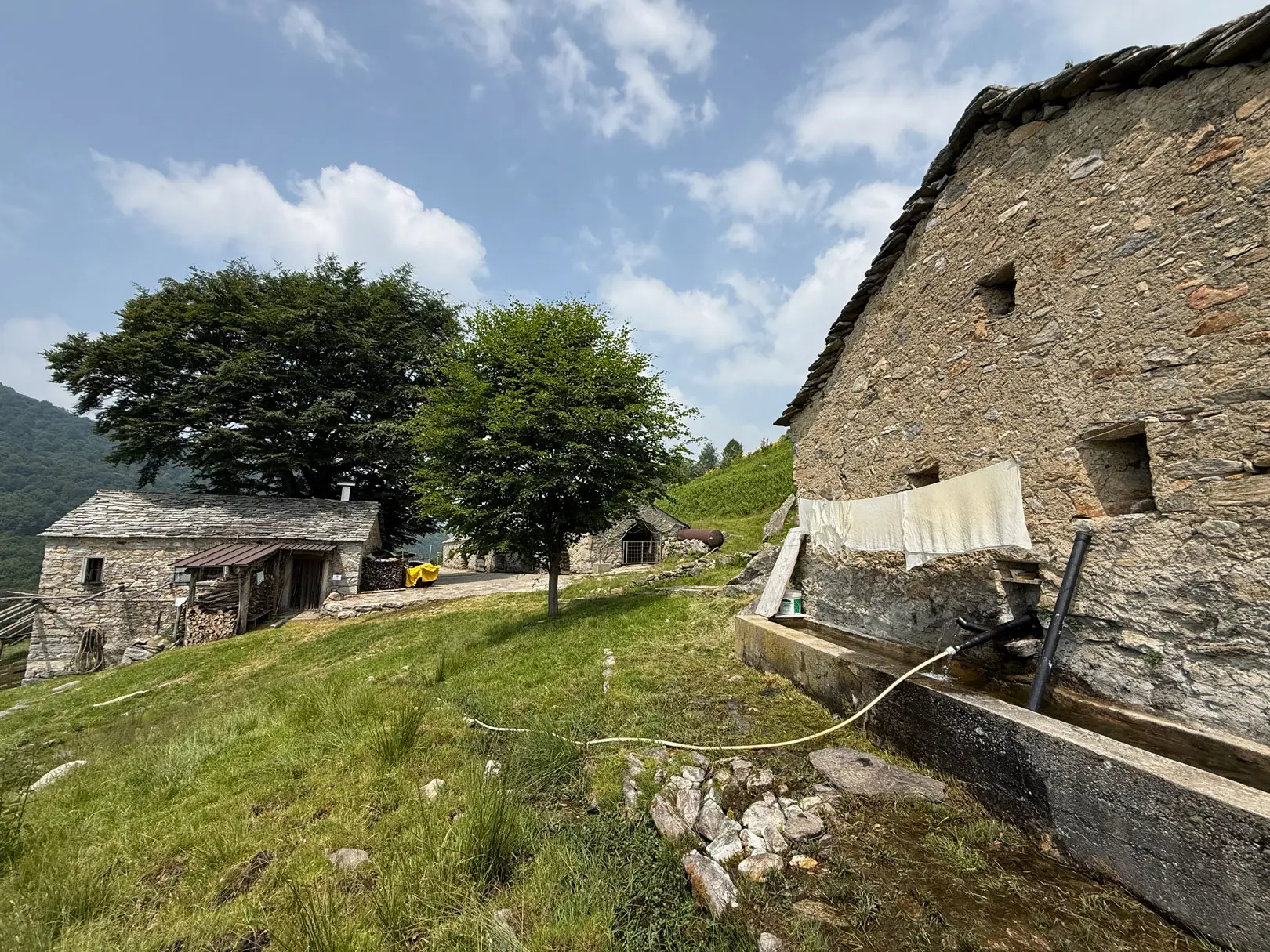
Most of the herds, however, continue to pastures located between 1200 and 1500 meters above sea level. A well-organized alpine pasture must have extensive pastures, a milk processing facility, housing for the herders and a small stable for sick animals. The central element is the sostra, a long arcaded building where animals can move freely.
The management of the Alpine pasture
During the summer, animals are moved according to grass growth. At the beginning of the season, the pastures closest to the main barn are taken advantage of, while later animals are moved to higher areas as grass becomes available. Some pastures also have mutate (or stations), of detached sections equipped with facilities for milk processing and livestock housing.
In September, with the arrival of autumn, the caravan resumes its return journey, retracing its path back to the valley floor. Here the animals will spend the winter, waiting for the transhumance cycle to resume the following spring.
A Heritage to Preserve
Although transhumance is less common today than in the past, it is still a fundamental part of the culture and economy of some Alpine communities. This age-old rite, in addition to ensuring animal welfare and the quality of dairy products, keeps alive a tradition rooted in the history of the mountains.