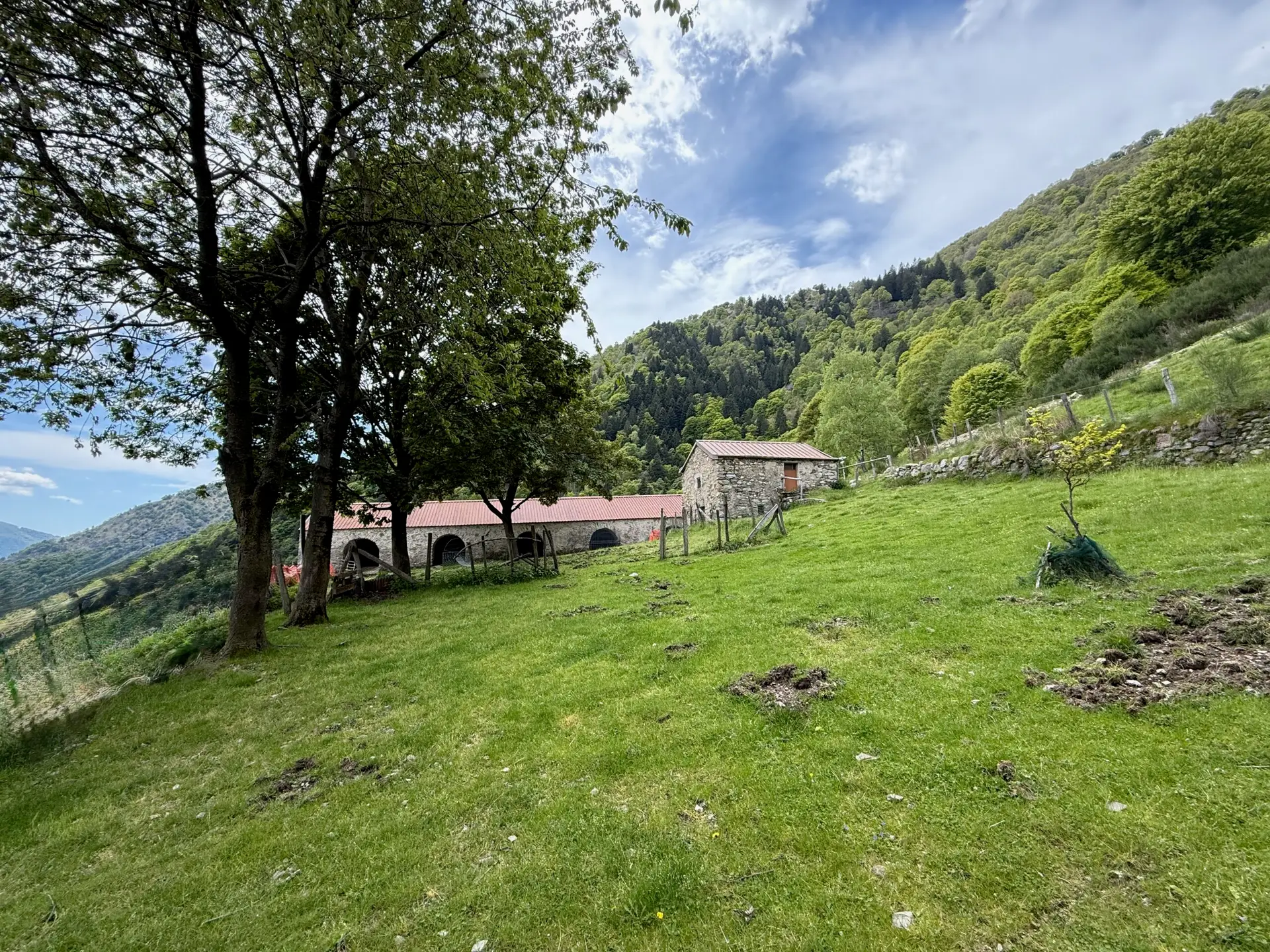
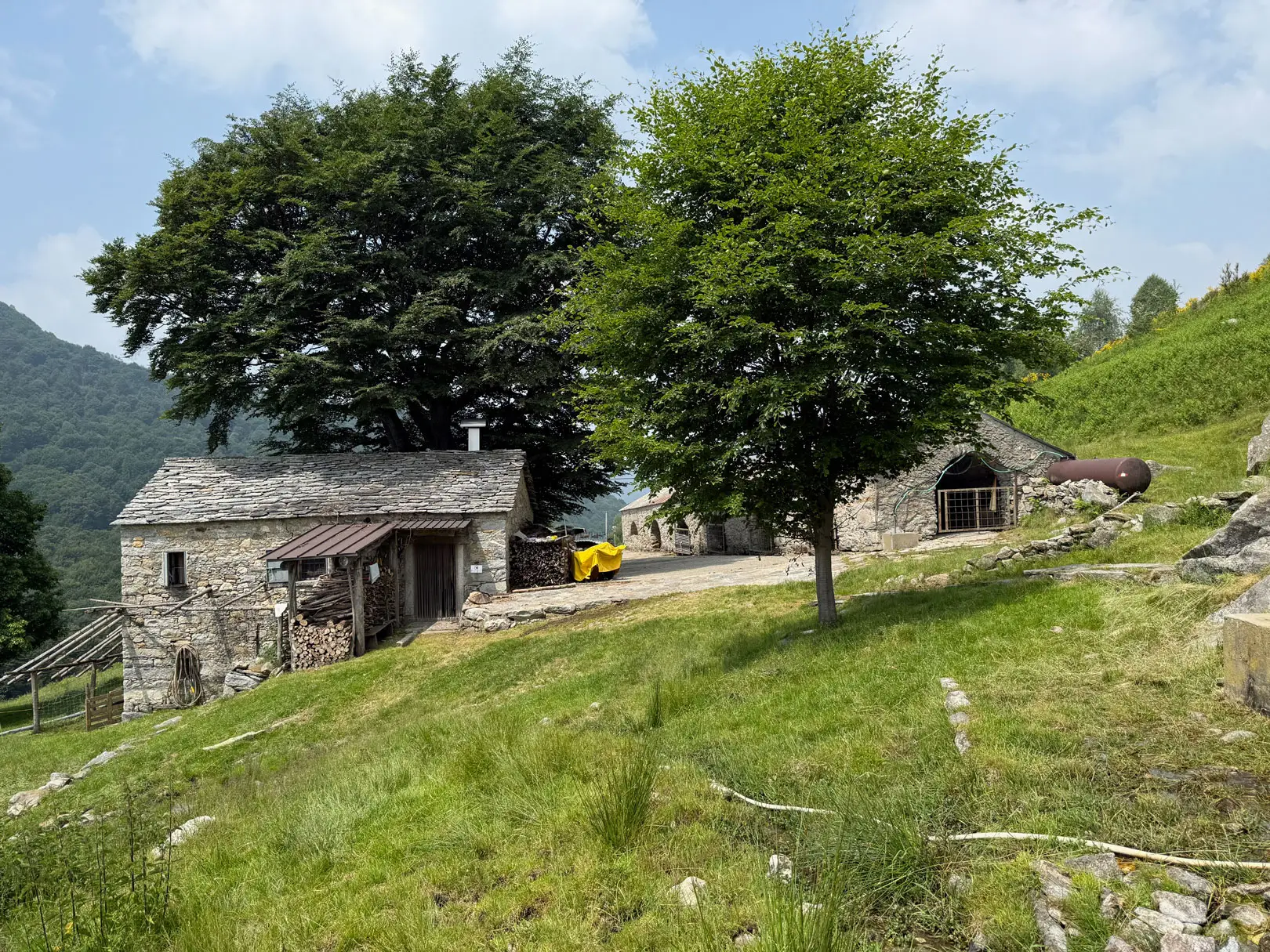
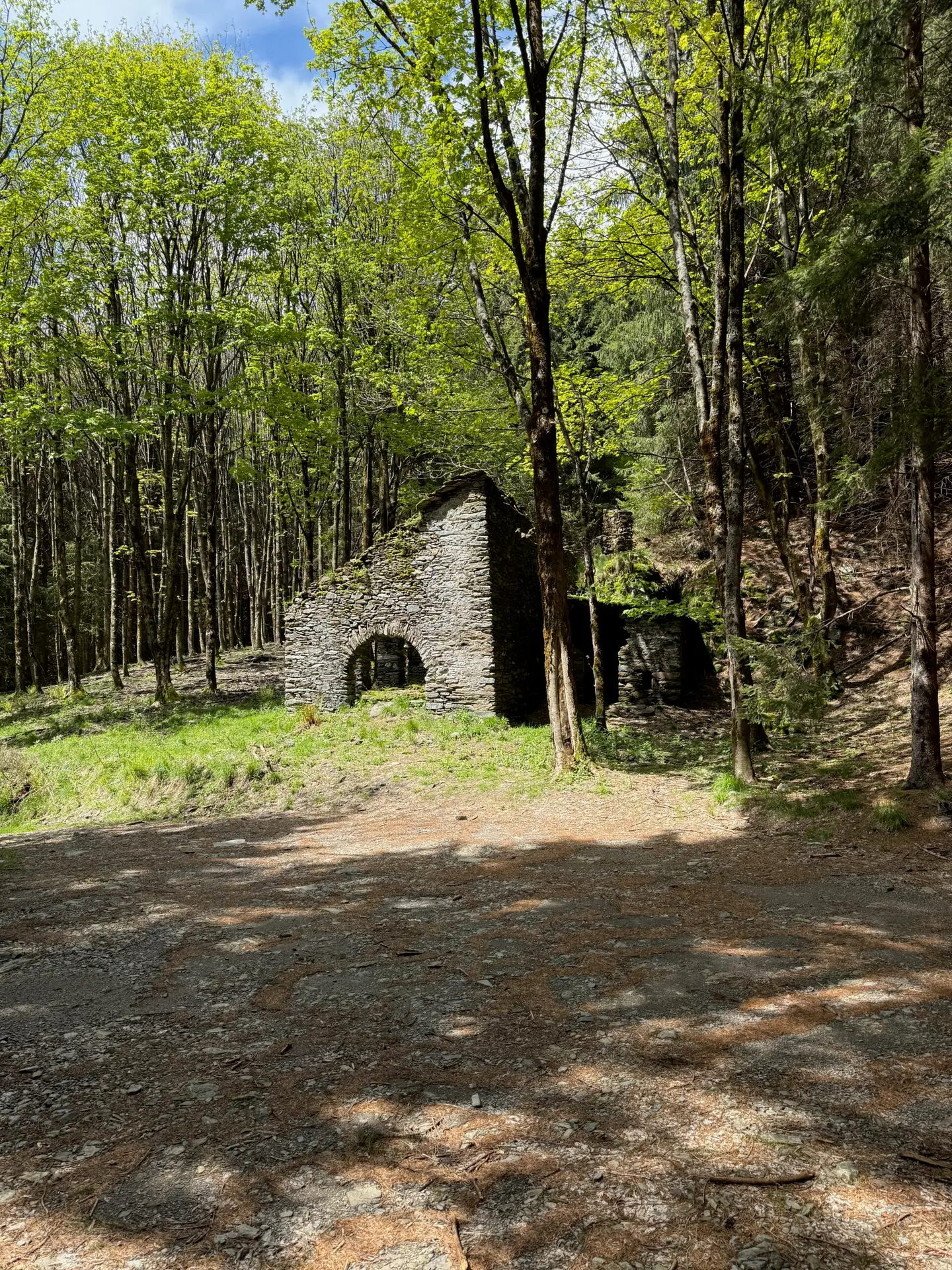
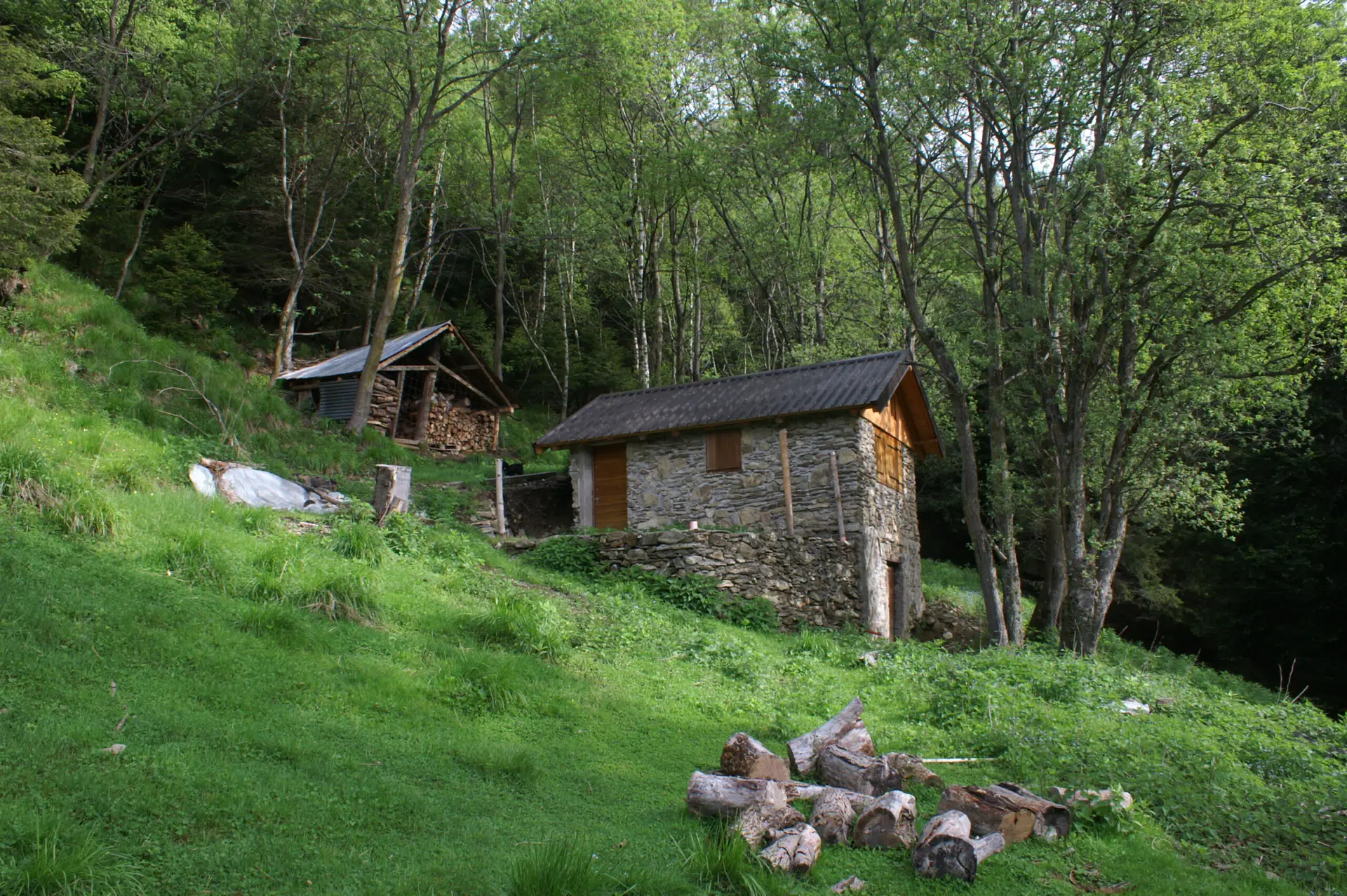
Milk processing and by-product production was carried out both in domestic by farming families, as well as by cheesemakers in their dairies, usually side by side with mountain pastures, mountains or stables in lowland towns.
Processing followed different customs depending on the period, the number of animals owned and their productivity.
In the past, owning two or three cows in an area that was in any case poor was a privilege for the few, so they often cut cow's milk with sheep's milk; or they made low-fat cheese to take advantage of cow's milk fat for butter production.
Butter production
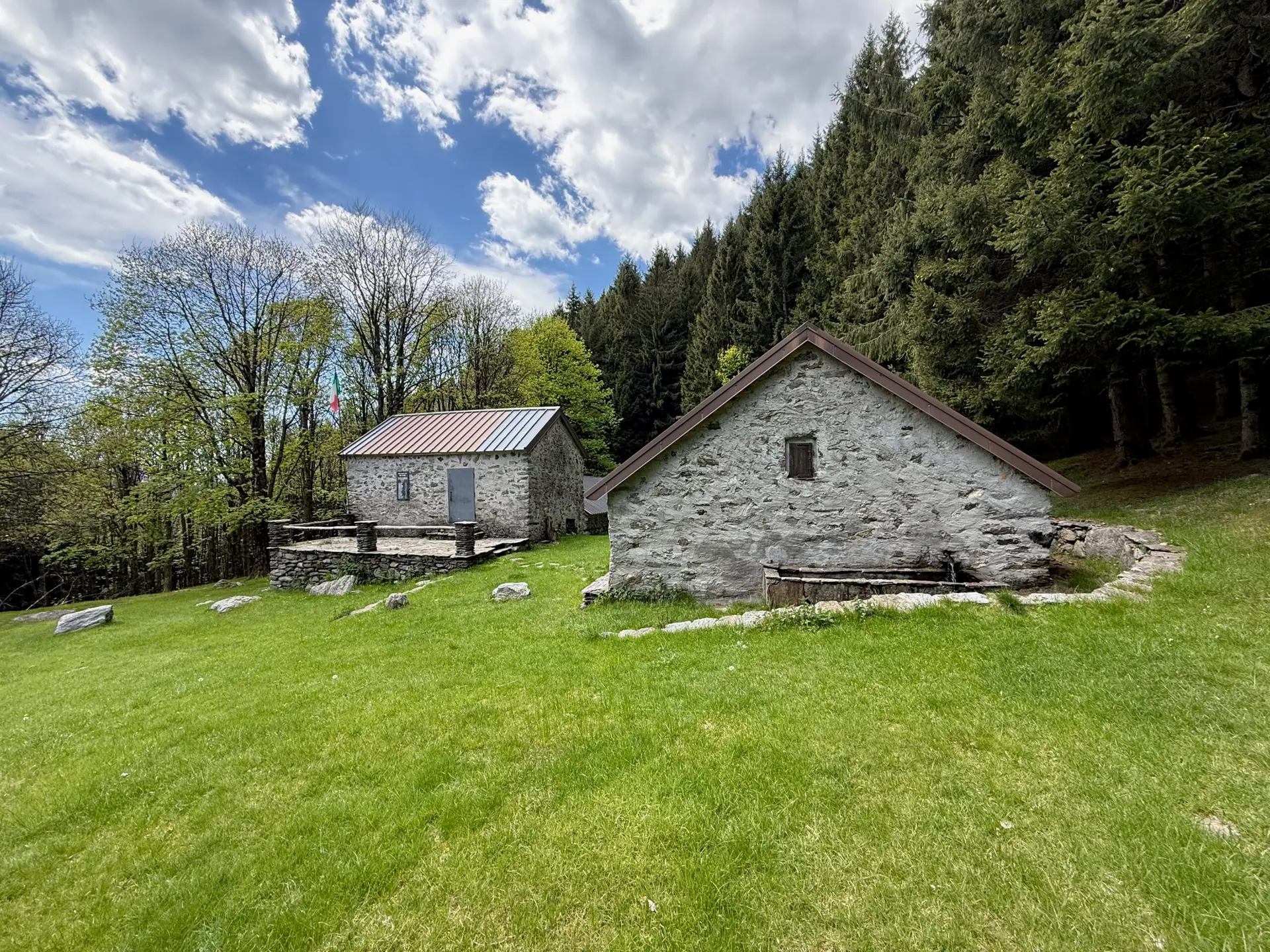
The milk was filtered and poured into large copper containers; these were placed in cool, constant-temperature rooms, usually small stone huts (casinels), and were immersed in running water, which kept the temperature constant. After one or two nights the fatty part of the liquid emerged on the surface of the milk: the cream, from which butter was made. A scoop, usually made of wood-but there were also ones made of copper or zinc-called a skimmer. The collected cream was poured into the churn (penagia in dialect), a closed wooden cylinder equipped at the top with a plunger designed to mix the liquid. This was first heated with hot water, because the high temperatures favored the transformation from cream to butter. Whipping the liquid with slow, continuous movements inside the zangoa produced butter and a white liquid, the lat de penagia (churning milk).
The butter was first washed in buckets, then beaten and kneaded on a shelf so as to remove all traces of liquid; finally, it was placed in wooden molds, usually maple o beech, each with the breeder's own symbol, to obtain the shape suitable for packaging. Once the shape was obtained, the mold was removed and the butter placed in cold water and then packaged.
The waste from processing, lat de penagia, was not wasted: it was used to feed the pigs along with the water from washing the utensils used.
Cheese production
It is a very ancient food, exploited since time immemorial by mankind as the main source of protein.
There are countless different types of cheese, which depend on the season of production, the type of processing, and the milk: if skimmed (without the cream), the resulting cheese is of the type lean, if whole the cheese will result fat; often parts of whole milk, usually that milked in the morning, are added to skim milk, and the result is cheese semi-fat; sometimes cow's milk is also cut with sheep's milk, usually goat's milk.
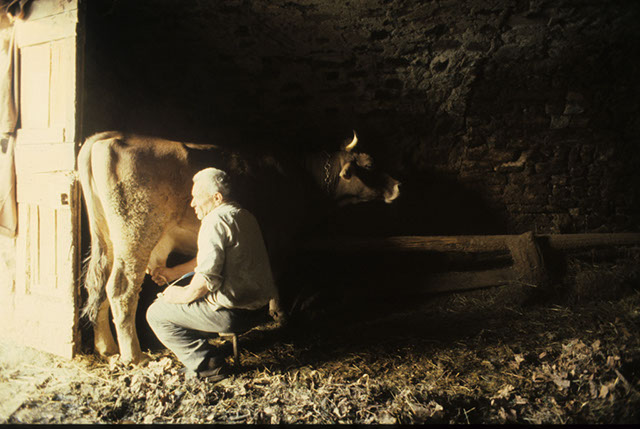
Cheese making was not an easy process, and it required good skill on the part of the cheesemaker. The first step was, of course, the milking, which had to take place every morning and every evening. Farmers used a vocal call to summon the herd and, armed with a sedel (bucket) and a stool, they would provide milking for the cows.
The collected milk was then transported to the dairy and poured into the culdera (boiler), a large copper basin in the shape of a pot. The culdera is mounted on a movable arm so it can be moved away from or closer to the fire as needed.
The temperature of the milk depended on the type of cheese to be produced: it generally ranged from thirty to thirty-two degrees for low-fat or semi-fat cheese, much higher, around forty degrees, for fat cheese. Once the desired temperature was reached, the culdera was removed from the fire to add rennet. The rennet is a substance provided by an enzyme contained in glands in the fourth stomach of ruminants, the abomasum, extracted when the animals are still lactating. It was usually used the bovine rennet, sometimes even that of goat o sheep. The glands were extracted and dried and smoked, usually by household chimneys, then pounded with a mortar to make a paste to be stored in jars. To obtain the actual rennet, the resulting mixture was mixed with black rye bread, walnuts, and a few peach kernels.
Rennet was poured into the culdera in small doses after being dissolved in hot water. Nowadays the rennet used is an industrial type, only very few still follow the ancient process.
About forty minutes after the rennet was added, the curd, a gelatinous mass composed of the condensed fat of milk. This floated in a whitish substance called whey, the liquid part of milk. On the temperature of the curd depended the consistency of the cheese: with the higher it was the harder it turned out and vice versa.
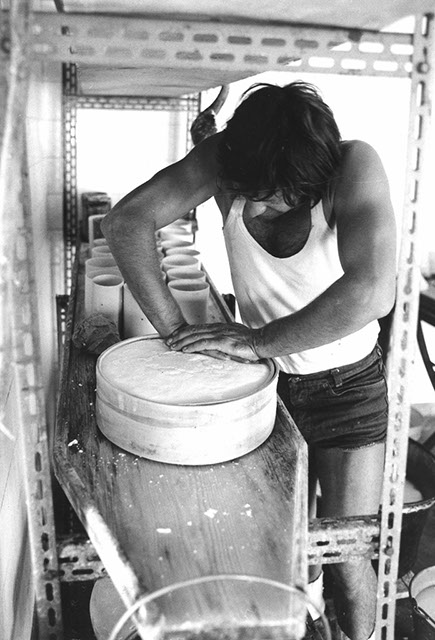
The curd was first broken up with a skimmer (or frangicagliata) and then collected with the help of a cloth. At the same time, the mold of the cheese wheel was prepared: a wooden circle called a fascera, surrounded by a string used to encircle the mold and tighten it, so as to make it more compact. The fascera was placed on an inclined board, the colander, on which the remaining whey dripped. A weight, usually a stone, was placed on top of the mold and it was left to rest for about twenty-four hours.
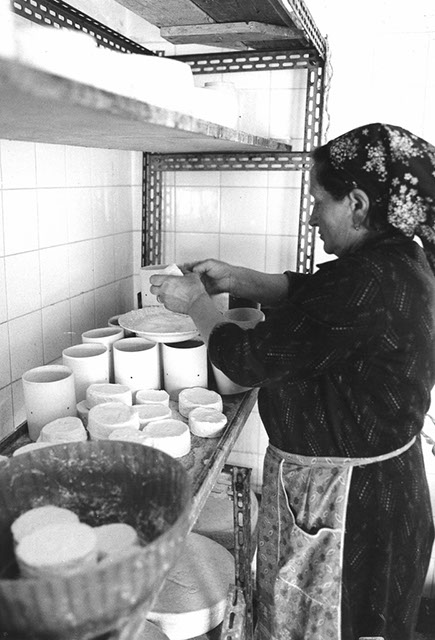
Finished this phase, the cheese was salted and taken to the cellars for curing. Such rooms were equipped with wooden shelves to accommodate the molds, and maintained the same temperature and the right degree of humidity. Periodically the cheese wheel was cleaned, turned and re-sprinkled with salt. Different aging times determined different flavors of cheese, and were at the discretion of the master cheesemaker.