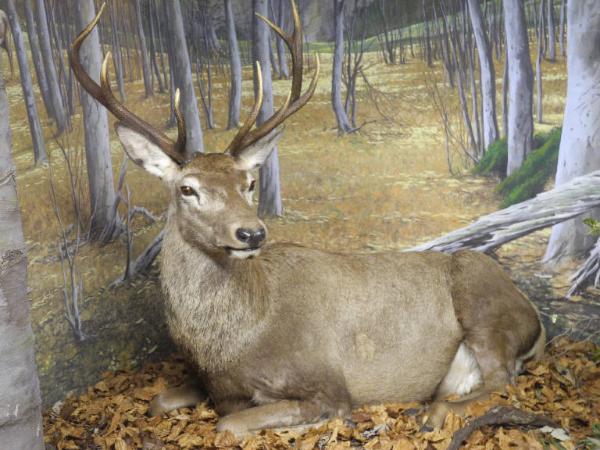
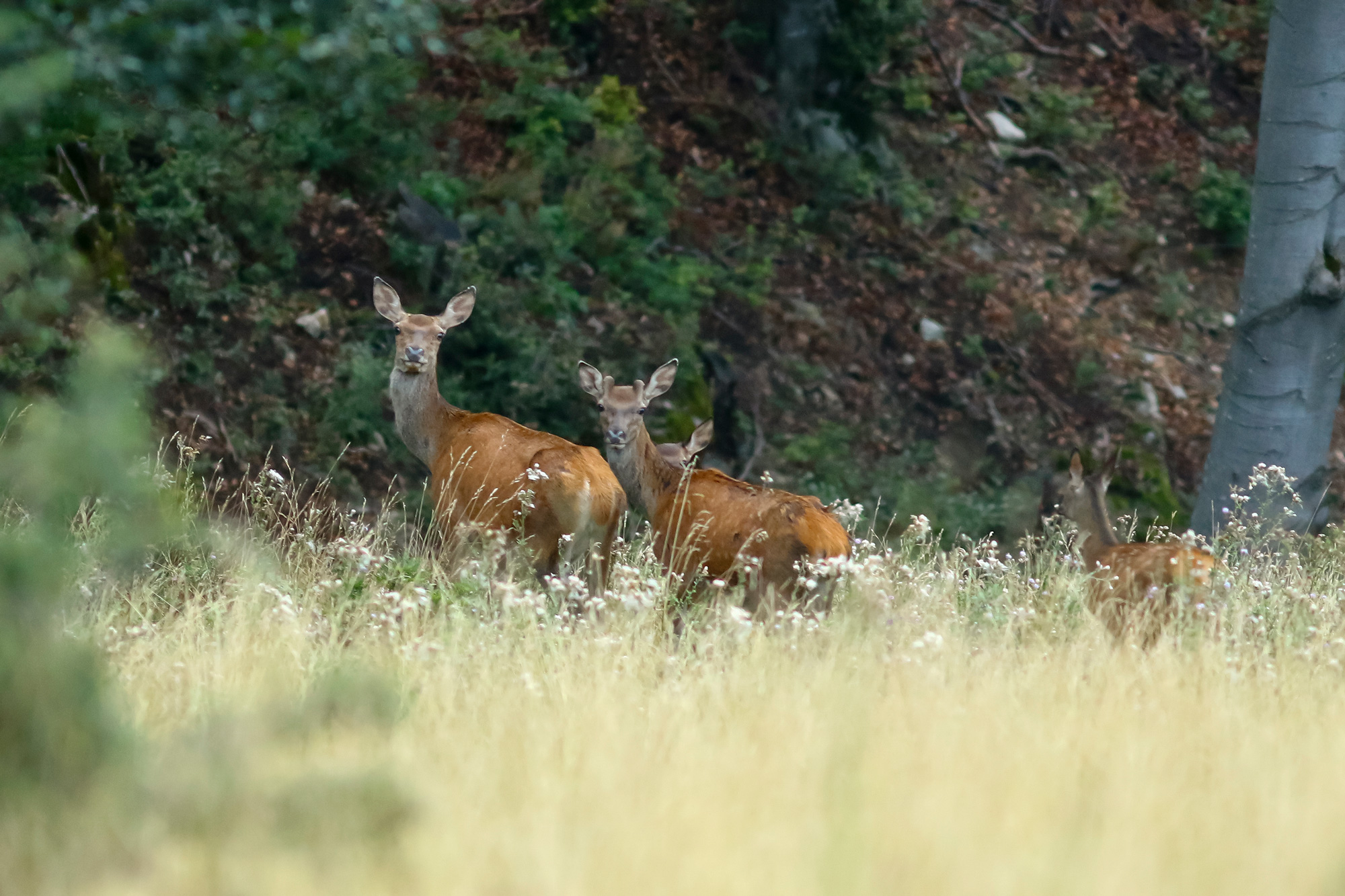
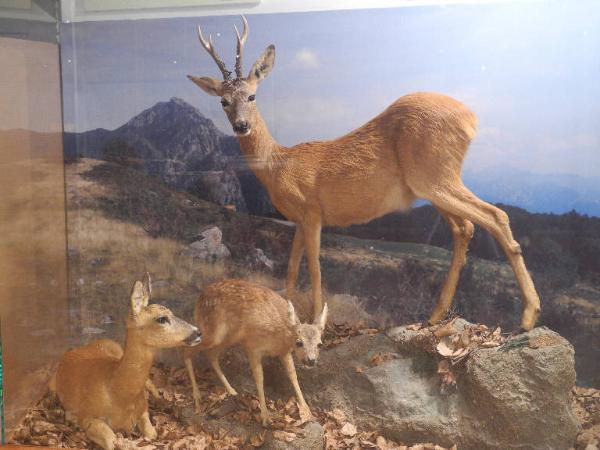
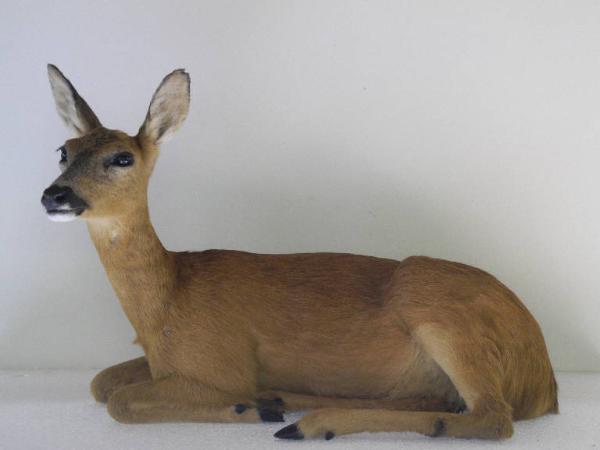
The Deer is a large mammal in the Cervidae family, known for its imposing size. Adult specimens can reach a length of up to 2.50 m and a height at withers of about 1.2 m, weighing from 200 to 250 kg, and in exceptional cases can exceed 250 kg. The female is considerably smaller than the male, rarely reaching 2 m in length and a maximum weight of about 150 kg. The tail of the deer is relatively short, not exceeding 20 cm in length.
The size of deer can vary by region: eastern European specimens, for example, tend to be larger, with the nominal subspecies weighing upwards of 500 kg. In contrast, deer from Mediterranean areas, such as Corsican deer, are smaller, rarely exceeding 100 kg. However, when fed abundantly, deer can grow beyond the average size of their source population, while populations introduced to other areas may remain smaller, with specimens weighing as little as 50 kg.
The body of the deer is slender and elongated, with a trunk that appears slightly recessed in the groin region. The shoulder is rounded and muscular, the chest broad and the rump stout. The neck is long and slender, slightly compressed, and supports a tall, elongated head that is broad at the occiput, with a sunken forehead between the eyes. The muzzle of the deer is straight and tapers toward the end. The eyes are medium-sized and very lively, with oval pupils that give the deer an alert and intelligent gaze.