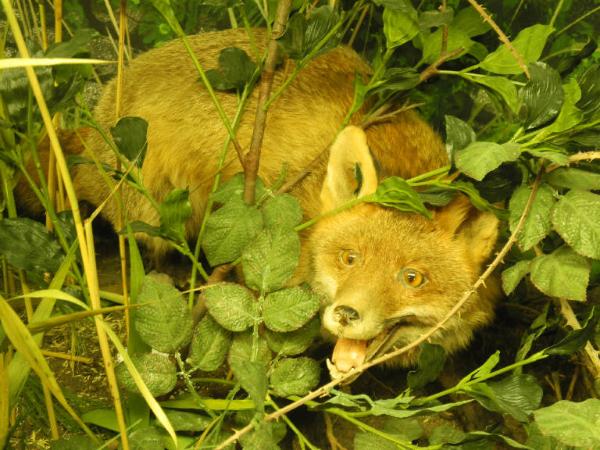
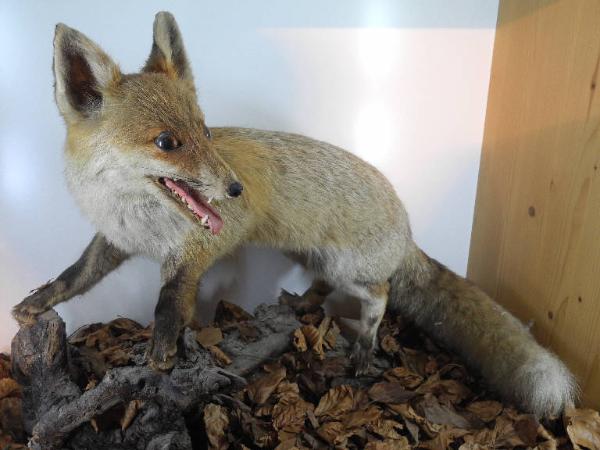
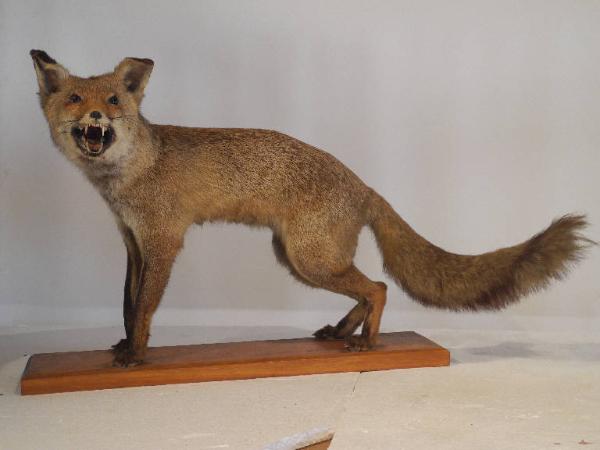
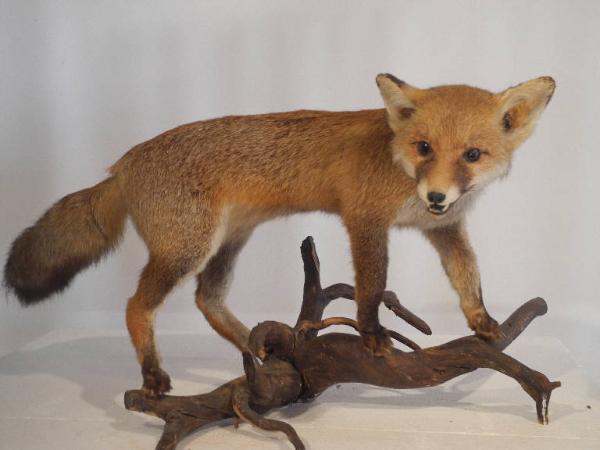
The Red Fox, also known simply as the fox, is the largest member of the genus Vulpes and one of the carnivores with the widest range of distribution. It is found throughout the Northern Hemisphere, from the Arctic Circle to North Africa, via North America and Eurasia. Its ability to adapt to a wide range of environments makes it an extremely versatile species. The red fox is classified as "minimally endangered" by the IUCN, despite the fact that it has also been introduced to Australia, where it has had significant ecological impacts, damaging local marsupial and bird populations to the extent that it is considered one of the most damaging invasive species.
This species has ancient origins, dating back to the middle Villafranchian in Eurasia, and colonized North America after the Wisconsin glaciation. In addition to its larger size than other foxes, the red fox is distinguished by its ability to adapt to different environmental conditions. Although it is known for its red coat, there are albino and melanistic specimens, and about 45 subspecies are recognized, divided into larger ones from northern regions and smaller ones from Asian and Middle Eastern desert areas.
The red fox usually lives in pairs or small family groups, where cubs stay with their parents to help care for the new litters. Its diet consists mainly of rodents, but also includes rabbits, birds, reptiles, invertebrates and occasionally fruits and vegetables. Although it does not disdain to hunt smaller predators like other foxes, it is vulnerable to attacks by larger predators such as wolves, coyotes, jackals, and medium and large felines.
In addition, the red fox has a long history of interaction with humans: it has been hunted for its fur and as a pest in many cultures and has inspired numerous legends and fairy tales. Due to its wide distribution and large population, it is one of the most prevalent species in the fur trade